
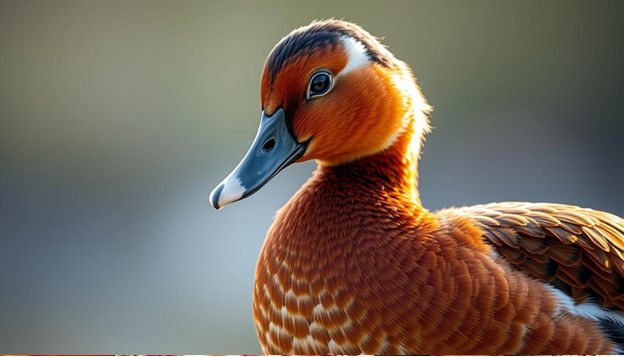
Anas barbariae: Unveiling the Secrets of this Fascinating Duck Species
The Anas barbariae
, or Muscovy duck, is a bird with a rich history and unique traits. Its key ingredient is used in homeopathic remedies for flu-like illnesses. This remedy, Oscillococcinum
, makes about $15 million each year in U.S. pharmacies.
Every year, around 5 million adults in the U.S. turn to homeopathic remedies. Also, about 1 million kids in the U.S. use these remedies annually. This shows how popular homeopathic remedies are for treating the flu naturally.
The Anas barbariae
has caught the eye of bird lovers and scientists. Its unique look and behaviors are fascinating. Plus, its link to homeopathic remedies for flu is an intriguing topic to explore.
Key Takeaways
- The Anas barbariae
species is used in homeopathic remedies, mainly for flu-like illnesses. - Oscillococcinum
makes about $15 million each year in U.S. pharmacies. - Approximately 5 million adults in the U.S. use homeopathic remedies every year.
- Anas barbariae is a fascinating bird with a unique history and characteristics.
- Homeopathic remedy
is a popular natural flu treatment
. - The FDA is reconsidering rules on homeopathic remedies.
Overview of Anas barbariae
The Anas barbariae is a duck species found in South America. It has also been introduced to North America, Europe, and Asia. This duck can live in many places, like wetlands, grasslands, and cities. Males can grow up to 30 inches long and weigh up to 3.5 pounds.
This duck has black and white feathers, red wattles, and yellow legs. It's also known for its unique quacking sound. Interestingly, its liver extract is sometimes used to help with flu symptoms
.
Definition and Common Names
The Anas barbariae belongs to the duck family. It's also called the "Barbarian duck" and the "South American duck".
Distribution and Habitat
This duck is from South America but can be found elsewhere too. It likes wetlands, grasslands, and cities. It's very good at living in different places.
Physical Characteristics
The Anas barbariae is a medium-sized duck. Males can be up to 30 inches long and weigh up to 3.5 pounds. It has black and white feathers, red wattles, and yellow legs. Its liver extract is studied for helping with flu symptoms
|---------------------|-----------------------------| | Characteristics | Description | | Length | Up to 30 inches | | Weight | Up to 3.5 pounds | | Feathers | Distinctive black and white | | Wattles | Red | | Legs | Yellow |
Behavior and Social Structure
The anas barbariae species has a complex social life. It includes interesting mating rituals and how it raises its young. The mating rituals are full of displays like preening and vocalizations. After pairing, the male and female work together to build a nest and care for their ducklings.
The female lays up to 12 eggs, which take about 28 days to hatch. Both parents take turns incubating the eggs and caring for the ducklings. These ducklings are precocial, meaning they can swim and find food soon after hatching.
This social behavior is also seen in homeopathic remedies like oscillococcinum
. But, it's important to note that using anas barbariae in these remedies is still debated. Some studies have found negative effects.
|------------------------|------------------------------------------------------------| | Homeopathic Remedy | Incidence of Adverse Effects | | Oscillococcinum | 9.8% | | Arnica D30 | 20.8% |
In conclusion, the anas barbariae species shows complex social behavior. Its use in homeopathic remedies, like oscillococcinum, is still debated. More research is needed to understand its effects in these remedies.
Diet of Anas barbariae
The Anas barbariae species eats both plants and animals. It mainly eats aquatic plants, insects, and small animals. It also eats grains, fruits, and plants on land. This duck is good at finding food in different places like wetlands and cities.
Some of the key components of the Anas barbariae diet include:
- Aquatic plants, such as algae and aquatic grasses
- Insects, such as mosquitoes and flies
- Small invertebrates, such as snails and worms
- Grains, such as wheat and oats
- Fruits, such as berries and seeds
The duck liver extract
, used in natural flu treatments, comes from this species. Studies show it helps with flu-like symptoms.
Knowing what the Anas barbariae eats is key for protecting it and finding natural flu treatments. By studying its eating habits, we learn more about its role in nature. This helps us understand its impact on the environment.
Migration Patterns
The anas barbariae species migrates partially, moving with the seasons for food and weather. Its journey is shaped by temperature, rain, and where to find food.
In winter, it heads to warmer places, coming back to breed in spring. Its path is guided by the environment, food, and shelter. It also moves locally when its surroundings change.
Studies link anas barbariae to homeopathic remedies for flu. More research is needed to grasp its benefits and limits in natural health products. Yet, it's a key area of study in natural health.
Conservation Status
The Anas barbariae species is considered Least Concern on the IUCN Red List. Yet, its numbers are falling in some areas. This is due to habitat loss, hunting, and human activities. Climate change also threatens it, changing habitats and migration patterns.
Efforts to save Anas barbariae are underway. These include restoring habitats, setting hunting rules, and educating people.
Some important facts about Anas barbariae's conservation status are:
- Estimated global deaths from COPD in 2017: 3.2 million
- Projected COPD-related deaths by 2030: 4.5 million
Scientists are studying Anas barbariae's behavior and population. This helps them understand its needs and find ways to protect it. Using natural flu treatments, like oscillococcinum, could also help. It can reduce upper respiratory infections in humans, which benefits the species.
It's crucial to keep watching Anas barbariae's status and work on saving it. By joining forces, we can protect this species and our planet's beauty and diversity.
|---------------------|---------------------------------------| | Category | Description | | Conservation Status | Least Concern | | Population Trend | Declining in some parts of its range | | Threats | Habitat loss, hunting, climate change |
Interesting Facts About Anas barbariae
The Anas barbariae species has caught the eye of many, including those interested in homeopathic remedies. One such remedy is Oscillococcinum, used to prevent and treat "flu-like states". It's made from a muscovy duck's liver and heart, a type of Anas barbariae. The ingredients are so diluted, it's unlikely any original molecules remain.
Despite a lack of scientific proof, Oscillococcinum has drawn a lot of interest. In France, hundreds of thousands have bought it. Some studies suggest it can shorten flu symptoms
by 6 to 7 hours, but this is a topic of debate. The Cochrane Database rates its effectiveness as "Possibly Ineffective" for flu prevention and treatment.
Here are some key facts about Anas barbariae and its connection to homeopathic remedies:
- The Anas barbariae species is used in homeopathic remedies, like Oscillococcinum, for its supposed health benefits.
- Oscillococcinum is diluted to 200C, meaning it's diluted 1:100, 200 times, theoretically leaving no original molecules.
- Oscillococcinum costs just over $1 per gram, making it an affordable homeopathic remedy
.
Aside from homeopathic remedies, Anas barbariae is also found in products like duck liver extract
. It's believed to offer health benefits. Yet, it's crucial to remember that the effectiveness of these products hasn't been scientifically proven. More research is needed to understand their benefits and risks.
|------------------------|----------------------|---------------------------------------------| | Remedy | Ingredients | Uses | | Oscillococcinum | Duck liver and heart | Prevention and treatment of flu-like states | | Duck liver extract | Duck liver | Various health benefits |
Comparisons with Other Duck Species
The anas barbariae species stands out from others due to its unique traits and behaviors. It is larger and more colorful than Anas platyrhynchos, with a black and white feather pattern. This duck thrives in various habitats, making it a fascinating study subject.
Some people use oscillococcinum, a homeopathic remedy
made from duck liver and heart, including anas barbariae. Its effectiveness is debated, but some studies show it might help with respiratory infections.
Here are some key differences and similarities between anas barbariae and other ducks:
- Differences in size and plumage
- Unique social structures and behaviors
- Similarities in habitat and migration patterns
The anas barbariae species is truly captivating. Its unique traits and behaviors make it crucial to the ecosystem. More research is needed to understand the benefits of natural flu treatments like oscillococcinum. It's also important to explore the differences and similarities with other duck species.
Observation and Birdwatching
For those interested in observing the anas barbariae species, there are several locations that offer ideal viewing opportunities. National parks, wildlife refuges, and urban parks are among the best places to spot these birds. They are most active during the early morning or late afternoon. Birdwatchers can use binoculars and field guides to help identify the species and learn more about its behavior and ecology.
Some key tips for birdwatchers include being patient and quiet while observing the birds. It's also important to bring the necessary equipment such as binoculars and a field guide. Birdwatchers should respect the birds' habitat and follow any rules or regulations in place to protect the species. Some birdwatchers may also be interested in learning about the use of duck liver extract as a homeopathic remedy for certain health issues.
Here are some key locations for viewing the anas barbariae species:
- National parks
- Wildlife refuges
- Urban parks
Theanas barbariae species can be found in a variety of habitats, including wetlands, grasslands, and urban areas. By following these tips and visiting the right locations, birdwatchers can increase their chances of spotting this fascinating species. They can also learn more about its behavior and ecology.
|------------------|---------------------------------| | Location | Best Time to Visit | | National parks | Early morning or late afternoon | | Wildlife refuges | Early morning or late afternoon | | Urban parks | Early morning or late afternoon |
By understanding the habits and habitats of the anas barbariae species, birdwatchers can gain a deeper appreciation for these amazing birds. They play an important role in their ecosystems. Whether you're a seasoned birdwatcher or just starting out, observing the anas barbariae species can be a rewarding and educational experience.
Research and Studies
Scientists are studying the Anas barbariae species to learn more about it. They want to understand its behavior, where it lives, and how many there are. They are looking at how it migrates, its habitat, and how it interacts with others.
Studies show that this species is key to knowing if an ecosystem is healthy. Sadly, its numbers are going down in some places because of lost habitats and human actions.
Some research looks into the Anas barbariae's possible health benefits. This includes its use in homeopathic treatments for flu, like oscillococcinum. Oscillococcinum is a natural remedy for flu that has been used for years. It might help make flu symptoms less severe and shorter.
But, we need more research to really know how well oscillococcinum works. It's important to understand its effects fully.
Recent studies have shown that oscillococcinum can lower body temperature and symptoms in patients. It might also help prevent respiratory infections. This suggests that the Anas barbariae and its products, like oscillococcinum, could be very important for our health and the environment.
Ongoing Research Projects
- Studies on the species' migration patterns and habitat use
- Research on the social behavior and ecology of the Anas barbariae species
- Investigations into the potential medicinal properties of the Anas barbariae species, including its use in homeopathic remedies for flu-like illnesses
Key Findings in Recent Studies
Recent studies have found that the Anas barbariae species is a good indicator of ecosystem health. Its numbers are going down in some areas because of lost habitats and human actions. The research also suggests that oscillococcinum might help make flu symptoms less severe and shorter. It could have big implications for our health and the environment.
Conclusion: The Importance of Anas barbariae
The Anas barbariae, or Muscovy duck, is crucial for keeping ecosystems in balance. It acts as a food source for predators and helps spread seeds, boosting biodiversity. It also shows how well wetlands and other areas are doing, making it a key indicator species.
It's important for people to learn about the Anas barbariae. Knowing its value helps us protect its home and fight threats like habitat loss and hunting. Working together, we can save the Anas barbariae and the important jobs it does for our planet.
FAQ
What is the Anas barbariae species?
The Anas barbariae species, also known as the Muscovy duck, has black and white feathers and red wattles. It has yellow legs. It's from South America but lives in other places too.
What are the unique characteristics of the Anas barbariae species?
This duck is medium-sized, up to 30 inches long and 3.5 pounds heavy. It has complex social behavior and thrives in different habitats.
How does the Anas barbariae species feed and forage?
It eats plants and animals, like aquatic plants and insects. It uses its bill to find food in wetlands and cities.
What are the migration patterns of the Anas barbariae species?
It's a partial migrant. Some move with the seasons for food and weather. It goes to warmer places in winter and back in spring.
What is the conservation status of the Anas barbariae species?
It's listed as Least Concern but faces threats like habitat loss and hunting. Efforts are made to protect it, including habitat restoration and education.
What is the connection between the Anas barbariae species and homeopathic remedies?
It's used in homeopathic remedies for flu-like illnesses. Research is ongoing into its potential in natural flu treatments.
How does the Anas barbariae species compare to other duck species?
It's larger and more colorful than some ducks. But it shares traits with others, like Anas acuta and Anas crecca.
Where can the Anas barbariae species be observed?
Look for it in national parks, wildlife refuges, and urban parks. Early morning or late afternoon is best for spotting.
What is the focus of current research on the Anas barbariae species?
Researchers study its behavior, ecology, and population dynamics. They also look into its medicinal properties, like treating flu.
Source Links
- These Truths Are Not Self-Evident---but They've Been Firmly Established Over and Over by Scientific Research - https://www.scientificamerican.com/article/these-truths-are-not-self-evident-mdash-but-they-ve-been-firmly-established-over-and-over-by-scientific-research/
- Oscillococcinum - https://en.wikipedia.org/wiki/Oscillococcinum
- The preventive effect on respiratory tract infections of Oscillococcinum®. A cost-effectiveness analysis - https://pmc.ncbi.nlm.nih.gov/articles/PMC5788925/
- Copeland's Cure (Published 2005) - https://www.nytimes.com/2005/05/27/arts/copelands-cure.html
- The safety of homeopathic products - https://pmc.ncbi.nlm.nih.gov/articles/PMC1280007/
- Oscillococcinum: Can It Really Cure Flu Symptoms? - https://www.contagionlive.com/view/oscillococcinum-can-it-really-cure-flu-symptoms
- Frequently Asked Questions | Oscillococcinum - https://www.oscillo.com/contact-us/faq/
- Temporary title - https://webprod.hc-sc.gc.ca/nhpid-bdipsn/atReq?atid=organotherapy&lang=eng
- Thieme E-Books & E-Journals - Homeopathy / Autorenliste - https://www.thieme-connect.com/products/ejournals/confauthlist/issue/10.1055/s-014-58993/grouping/129570/10.1055/s-00034926?device=mobile&innerWidth=412&offsetWidth=412&lang=de
- Secular Trends - https://substack.com/home/post/p-73112255?utm_campaign=post&utm_medium=web
- Oscillococcinum® for upper respiratory tract infections and exacerbations in COPD: an observational, prospective study (OXITUNIS) - https://pmc.ncbi.nlm.nih.gov/articles/PMC8328054/
- The True Story of Oscillococcinum | Quackwatch - https://quackwatch.org/homeopathy/history/oscillo/
- Oscillococcinum: Health Benefits, Side Effects, Uses, Dose & Precautions - https://www.rxlist.com/supplements/oscillococcinum.htm
- Does homeopathic medicine have a preventive effect on respiratory tract infections? A real life observational study - Multidisciplinary Respiratory Medicine - https://mrmjournal.biomedcentral.com/articles/10.1186/s40248-016-0049-0
- Homeopathic Oscillococcinum® for preventing and treating influenza and influenza‐like illness - https://pmc.ncbi.nlm.nih.gov/articles/PMC6726585/
- Exploring Bird-Derived Remedies in Homeopathy: A Natural Healing Approach --- Balance Into Health - https://www.balanceintohealth.com/blog/title-exploring-bird-derived-remedies-in-homeopathy-a-natural-healing-approach
- The Curious "Science" of Oscillococcinum - https://www.mcgill.ca/oss/article/homeopathy/curious-science-oscillococcinum
- PDF - https://www.scielosp.org/pdf/aiss/2012.v48n1/105-109/en
- Can Oscillococcinum Treat the Flu? - https://www.verywellhealth.com/health-benefits-of-oscillococcinum-89022
- Oscillococcinum: What a Pharmacist Should Know During Flu Season - https://www.pharmacytimes.com/view/oscillococciunm-what-a-pharmacist-should-know-during-flu-season
- Oscillococcinum (Anas barbariae hepatis et cordis extractum 200CK HPUS) and Use for Influenza Infections or The Flu - https://www.ebmconsult.com/articles/oscillococcinum-swine-flu-h1n1-viral-infection-treatment