
Bench Press: Muscles Worked & Benefits
Key Takeaways
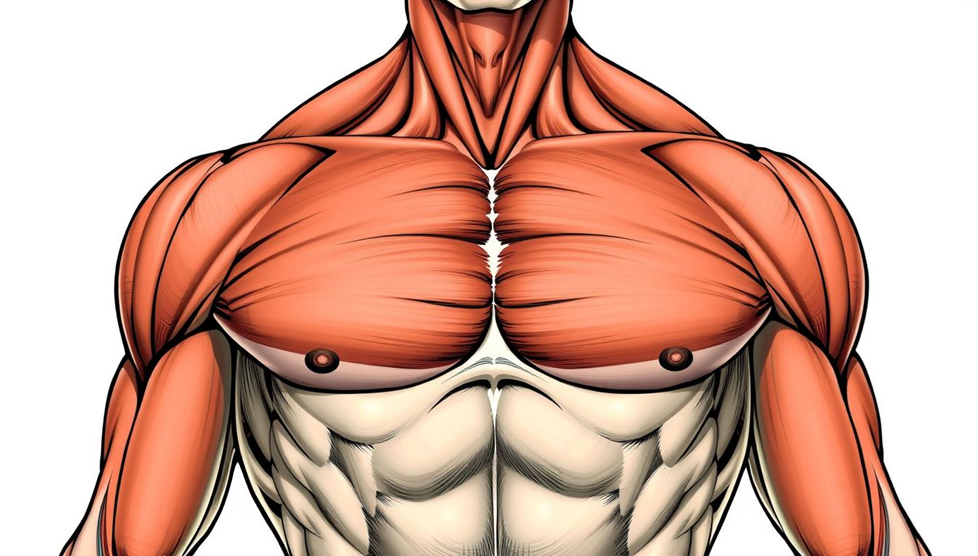
- The bench press targets the chest, shoulder, and arm muscles, including the pectoralis major, triceps brachii, and anterior deltoids.
- It also engages secondary muscles like the biceps brachii, serratus anterior, trapezius, rhomboids, forearms, and core muscles.
- The bench press can help increase upper body strength, muscle mass, endurance, and overall power output.
- Incorporating variations of the bench press, such as incline and decline, can further target different areas of the upper body.
- Proper form and technique are crucial to maximize the benefits of the bench press and prevent injury.
The bench press is great for many people. It boosts upper body strength, size, and power. Knowing which muscles it works helps you use it to reach your fitness goals.
What is a Bench Press?
The bench press is a key exercise that works many muscles in the upper body. It's done by lying on a flat bench and pushing a barbell or dumbbells up from the chest. This exercise is great for building muscle and boosting upper body strength.
Definition and Overview
To do the bench press, you lie on a flat bench with your feet on the floor. Hold the barbell with your hands wider than shoulder-width apart. Lower the weight to your chest, then push it back up to the starting position.
It's important to do the bench press correctly and have a spotter. The bench press works the chest, shoulders, and arms. There are also incline and decline versions that target different muscles.
Doing the bench press and other resistance training has many benefits. It can help increase muscle and strength, improve mood and sleep, and enhance body composition. But, always get proper guidance, especially if you're new or have health concerns.
Muscles Worked by the Bench Press
The bench press is a compound exercise that targets the pectoral muscles and triceps muscles. These muscles work together to move the weight during the bench press.
Pectoralis Major
The pectoralis major is a key muscle in the bench press. It's a large chest muscle that helps with the pushing motion. It flexes and internally rotates the arm throughout the movement.
Triceps Brachii
The triceps brachii are on the back of the upper arm. They extend the elbow joint, helping to push the weight away from the chest. They are also important for stabilizing the shoulder joint.
The bench press also works the anterior deltoids, serratus anterior, and other shoulder muscles. This makes it a great exercise for building upper body strength.
|-------------------|------------------------------------------------------| | Muscle | Role in Bench Press | | Pectoralis Major | Flexion and internal rotation of the arm | | Triceps Brachii | Extension of the elbow joint, shoulder stabilization | | Anterior Deltoids | Shoulder flexion and horizontal adduction | | Serratus Anterior | Scapular stabilization |
""The bench press is a foundational upper body exercise that targets multiple muscle groups, making it a staple in any strength training program.""
what muscles does bench press work
The bench press works many muscles in the upper body. It mainly targets the chest, shoulders, and arms. But it also works other muscles to help move the weight and keep the body stable.
The main muscles worked by the bench press include:
- Pectoralis Major - The chest muscles that do the main work, pushing the weight.
- Anterior Deltoids - The front shoulder muscles that help the chest muscles press the weight.
- Triceps Brachii - The muscles on the back of the upper arm that help extend the elbows and lock out the weight at the top of the movement.
Also, the bench press works other muscles too:
- Serratus Anterior - The muscles on the sides of the chest that help stabilize the shoulder blades.
- Trapezius - The upper back muscles that work to retract the shoulder blades.
- Rhomboids - The muscles between the shoulder blades that also help retract the shoulder blades.
- Biceps Brachii - The muscles on the front of the upper arm that assist in stabilizing the elbow joint.
- Core Muscles - The abdominal and lower back muscles that stabilize the torso during the bench press.
While the pectoralis major , anterior deltoids , and triceps brachii are the main muscles, the bench press works many muscles. It's a compound exercise that safely and effectively moves the weight. It's important to use proper form and technique to get the most out of the exercise and avoid injury.
Bench Press Variations
The classic flat barbell bench press is key for building upper body strength and muscle. But, adding bench press variations can target specific muscles and spice up your workout. The incline and decline bench presses are two popular options.
Incline Bench Press
The incline bench press uses a 45-60 degree bench angle. It focuses on the upper chest and shoulders. This helps build a balanced chest look.
Lifters often use less weight on the incline press. This lets them focus on proper form and muscle activation.
Decline Bench Press
The decline bench press angles the bench downward. It targets the lower chest muscles. This movement also engages the triceps more than the flat or incline bench.
Both incline and decline bench presses are great for bodybuilders, powerlifters, and fitness enthusiasts. They help ensure balanced muscle development and strength gains.
Other bench press variations include the floor press and the dumbbell bench press. The floor press works the triceps, while the dumbbell bench press strengthens stabilizing muscles. Mixing these movements in your routine can boost your upper body strength and look.
Proper Bench Press Form
Learning the right way to do the bench press is key. It helps you get the most out of the exercise and keeps you safe from injury. Here are some tips to help you bench press like a pro:
- Maintain full-body tension. Keep your head, shoulders, and hips on the bench. Your feet should be firmly on the ground, and your core should be tight.
- Use the right grip width. Place your hands a bit wider than your shoulders on the barbell. This helps work your chest muscles better.
- Brace your core. Use your abdominal muscles to keep your spine stable. This helps you transfer power from your lower body to your upper body.
- Perform a controlled descent. Lower the barbell slowly, keeping it close to your chest. Try not to let your elbows flare out too much.
- Press the bar straight up. Aim to push the barbell straight up. This is best for working your chest muscles.
By following these bench press form tips, you can lift safely and effectively. This will help you build muscle better with this important exercise.
""Proper technique allows for maximum muscle activation while minimizing the risk of injury.""
|--------------------------------------|----------------------------------------| | Common Bench Press Form Mistakes | Proper Bench Press Technique | | Bouncing the bar off the chest | Controlled, smooth descent and press | | Flaring elbows | Maintaining a tight, vertical bar path | | Excessive arching of the lower back | Maintaining a neutral spine position | | Unstable leg and foot position | Planting feet firmly on the floor |
Incorporating Bench Press into Your Routine
Frequency and Intensity
Adding the bench press to your workout is key for a strong upper body. Aim to do it 2-3 times a week, with a day off in between. This lets your muscles recover and grow stronger.
The right number of sets and reps depends on your goals. Strength-focused lifters might do 4-6 sets of 3-5 reps. Those aiming for muscular endurance might choose 2-3 sets of 8-12 reps. Always increase the weight to keep pushing your muscles.
The bench press is part of a complete workout plan. Make sure to include exercises for your upper body, lower body, and full body. This balanced approach helps you get the most from the bench press and reach your fitness goals.
""Consistency is key when it comes to the bench press. Incorporating it into your routine 2-3 times per week, with gradual weight increases, will lead to significant gains in upper body strength and muscle development.""
Benefits of the Bench Press
Adding the bench press to your workout routine has many benefits of bench press. It's great for building strength, muscle, and power in your upper body. It also boosts endurance, strengthens bones, and aids in weight control by burning calories.
The bench press enhances performance in sports like football, basketball, and volleyball. It's also linked to better heart health and lower injury risks. Regular why do bench press workouts can offer these health perks.
- The bench press works the chest, triceps, and shoulders, making it a full-body workout.
- Changes like incline and decline bench presses target different muscles, offering a balanced workout.
- Using the right form, like keeping your back straight and elbows at 45 degrees, makes the exercise safer and more effective.
- The bench press is flexible and can be tailored to fit various fitness levels and goals, making it a key exercise for gym-goers.
By making the bench press a part of your fitness routine, you'll see many benefits of bench press and why do bench press. You'll get stronger, build muscle, and improve your overall fitness.
Who Should and Shouldn't Bench Press
The bench press is great for many people, from athletes to bodybuilders. It helps build upper body strength and muscle. But, those with injuries or certain conditions should be careful or adjust the exercise.
People with rotator cuff tears, pectoral tears, or chronic shoulder or lower back pain should talk to a doctor first. It's key for beginners to start with light weights and proper form to avoid injury.
Beginners should aim to lift half their body weight. Those with 1 to 3 years of experience should aim for 1 to 1.25 times their body weight. More experienced lifters should aim for 1.5 to double their body weight.
The bench press isn't the best for just working the chest. It also works the front delts and triceps. It's not the best test of upper-body strength because it can be cheated on.
To keep getting stronger, change up your rep schemes. Bench press often, especially if you're advanced. Pin presses can help with sticking points in the bench press.
While the bench press is valuable, consider your own needs and limitations. Newcomers should be patient and keep training for better results.
""The bench press demands a precise set-up, including maintaining back position, hand position, foot position, proper bar path, and keeping the shoulder blades back throughout the lift.""
Conclusion
The bench press is a key exercise for building strength. It targets many muscles in the upper body. It's great for athletes, bodybuilders, and anyone wanting stronger arms and shoulders.
It's important to do the bench press correctly. Using wrist wraps like TuffWraps can help keep your wrists safe. Also, increasing the weight you lift over time is crucial for getting stronger.
The bench press is a powerful tool for improving upper body strength. By following the right techniques and adding it to your workout, you can see big improvements. It's a must-have exercise for anyone serious about fitness.
FAQ
What muscles does the bench press work?
The bench press mainly works the chest, triceps, and front shoulders. It also engages the biceps, side chest muscles, upper back, and core.
What is a bench press?
The bench press is a workout for the upper body. You lie on a bench and press a barbell or dumbbells up from your chest.
What are the key muscles worked by the bench press?
The main muscles are the chest and triceps. These muscles are key in lifting the weight up from the chest.
What other muscles are activated during the bench press?
Besides the chest and triceps, the bench press also works the front shoulders, side chest, and upper back. It also engages the biceps and core muscles.
What are some variations of the bench press?
There are variations like the incline bench press and decline bench press. The incline focuses on the upper chest and shoulders. The decline targets the lower chest.
What is proper form for the bench press?
Proper form includes lying flat on the bench and gripping the barbell wide. Keep your core tight and avoid arching your back.
How often should I bench press?
Bench press 2-3 times a week, with at least a day's rest in between. The number of sets and reps depends on your goals.
What are the benefits of the bench press?
The bench press builds upper body strength and muscle. It also improves endurance, bone density, and helps with weight management.
Who should and shouldn't do the bench press?
Most people can benefit from the bench press. But those with injuries or chronic pain should avoid it or modify it. Start with light weights to avoid injury.
Source Links
- Bench Press: Muscles Worked, Benefits, How to, Variations, & More - https://www.healthline.com/health/exercise-fitness/bench-press-muscles-worked
- What Muscles Does Bench Press Work? | Garage Gym Reviews - https://www.garagegymreviews.com/what-muscles-does-bench-press-work
- How to Bench Press - https://www.webmd.com/fitness-exercise/how-to-bench-press
- How to Bench Press: Muscles Worked & Proper Form - https://www.strengthlog.com/bench-press/
- Bench press muscles worked: Here's what happens when you lift that barbell - https://www.livescience.com/bench-press-muscles-worked
- Muscle Activation in Traditional and Experimental Barbell Bench Press Exercise: A Potential New Tool for Fitness Maintenance - https://www.ncbi.nlm.nih.gov/pmc/articles/PMC6835758/
- Using the Right Muscles to Blow Up Your Bench Press Gains - https://www.strengthwisebarbell.com/resources/bench-press
- What Muscles Does Bench Press Work? - https://sbdireland.com/blogs/news/what-muscles-does-bench-press-work?srsltid=AfmBOopYFpyC9NYIhkF9ZqjLU3i1IpT_GBdxZvTCR6olCcztNmTOK2iE
- TrainHeroic Presents: All the Ways to Bench Press: Incline, Decline, Flat Bench & More - https://www.trainheroic.com/blog/bench-press-variations/
- How to Bench Press | Bench Press Variations - https://www.puregym.com/exercises/chest/bench-press/
- What Muscles Do Bench Presses Work? - https://www.nike.com/a/bench-press-muscles-worked
- How To Bench Press: Proper Form To Gain Strength and Muscle - https://www.bodybuilding.com/content/how-to-bench-press-layne-norton-complete-guide.html
- What Muscles Does Bench Press Work? - https://sbdireland.com/blogs/news/what-muscles-does-bench-press-work?srsltid=AfmBOoprWJSgwYcVNJ8K-BzK6BtE3yhHm0r19siEUhzh9H_TLeVZDEiv
- Bench Press Muscles Worked | Bulk™ - https://www.bulk.com/uk/the-core/bench-press-muscles-worked/
- How to Double Your Bench Press with Advice from Commonwealth Bench Championships Gold Medal Winner, Dan Magee - https://www.menshealth.com/uk/how-tos/a755647/how-to-master-the-bench-press/
- The Benefits of Incline, Decline, and Flat Benching - https://blog.o2fitnessclubs.com/bench-press-incline-decline-flat
- Read Up on These 9 Proven Benefits of the Bench Press | BarBend - https://barbend.com/benefits-of-bench-press/
- 5 Hard Truths You Need To Hear About The Bench Press - https://www.bodybuilding.com/content/5-hard-truths-you-need-to-hear-about-the-bench-press.html
- Exactly How Much Should I Be Able to Bench Press? - https://www.menshealth.com/fitness/a45639407/bench-press-weight/
- Bench press benefits | 60+ Statistics & Facts [Research Review] - https://runrepeat.com/benefits-of-bench-press
- What Muscles does a Bench Press Work? - https://www.lifespanfitness.com.au/blogs/fitness-blogs/what-muscles-does-a-bench-press-work?srsltid=AfmBOoqhpJUBl9RKT3YPAMTvoqr57ENlrTcvOdL-dhAvUuMoctML8b0u
- Understanding the Muscles Worked in the Bench Press: A Comprehensive Guide - https://www.tuffwraps.com/blogs/news/understanding-the-muscles-worked-in-the-bench-press-a-comprehensive-guide