
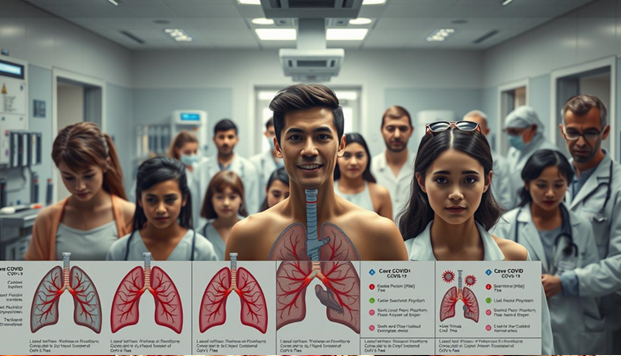
Covid Symptoms In 2025? Understanding Variants
Covid Symptoms In 2025? Understanding Variants
As we move through the changing world of COVID-19, it's vital to know the latest covid symptoms 2025
. This includes new covid symptoms
and latest covid symptoms
to keep ourselves safe. The virus has changed, and in 2025, it shows itself differently. Some symptoms are less common, and new ones appear.
COVID-19 symptoms today include fever or chills, cough, and shortness of breath. Fatigue, muscle aches, and headache are also common. Sore throat, nasal congestion, and loss of taste or smell are symptoms too. Nausea, vomiting, and diarrhea are also present. The CDC says to test right away if you have symptoms. Wait at least 5 days after being exposed for accurate test results without symptoms.
Knowing about covid symptoms 2025
is key. Research on latest covid symptoms
helps us understand the virus better. New variants have changed how symptoms show up. Loss of taste or smell is now less common in newer variants compared to earlier pandemic symptoms.
Key Takeaways
- Stay up-to-date on the latest covid symptoms 2025
to stay safe. - COVID-19 symptoms can vary based on the variant and vaccination status.
- Testing is crucial, and repeat testing is advised after a negative home test to minimize false negatives.
- Antiviral medications, such as Paxlovid, can lessen illness severity and duration when started within 5 days of symptom onset.
- Vaccination and boosters are key preventive measures against COVID-19 spread.
- Close monitoring of symptoms is essential for high-risk individuals, and immediate medical attention is advised for severe symptoms.
Understanding Covid Variants in 2025
The COVID-19 pandemic has brought about many variants, each with its own traits and effects on symptoms. It's vital to keep up with emerging covid symptoms and future covid symptoms . The latest data shows XEC is the top variant, making up 47% of cases. LP.8.1 and KP.3.1.1 make up 15% and 14% respectively.
Knowing about these variants helps us prepare for future covid symptoms . COVID-19 in 2025 is generally milder. But, older people and those with weak immune systems face a higher risk. Vaccines can also lower the chance of long COVID symptoms like extreme tiredness and muscle weakness.
Here are some key points about COVID-19 variants and symptoms:
- The peak season for respiratory viruses is late December to January. Cases rise around the holidays and last until March.
- Symptoms of COVID-19, flu, and RSV are similar. They include coughing, congestion, and sore throat.
- Vaccines for flu and COVID are available for everyone. There's also a single-dose RSV vaccine for high-risk groups.
By keeping up with emerging covid symptoms and future covid symptoms , we can protect ourselves and others. As we deal with the pandemic, it's crucial to get vaccinated, follow health guidelines, and stay informed about COVID-19 variants.
Common Covid Symptoms to Expect in 2025
As we move forward with COVID-19, it's key to know the updated covid symptoms and cutting-edge covid symptoms . Recent data shows common symptoms include cough, shortness of breath, and congestion. Runny nose, sore throat, fever, chills, body aches, and fatigue are also common.
Loss of taste and smell as symptoms have decreased since early 2022, thanks to the omicron variant. Also, COVID vaccines help lower the risk of long COVID and.
To prevent COVID, the 2024-2025 vaccine is recommended for those six months and older. Early use of antiviral medication also boosts effectiveness.
People with conditions like asthma, cancer, or obesity need to be extra careful. The CDC suggests an annual flu vaccine and a COVID vaccine for all ages.
|---------------------|------------------------------------------------------| | Symptom | Description | | Cough | A common symptom of COVID-19 | | Shortness of breath | A symptom that may appear in severe cases | | Fever | A common symptom that can be managed with medication |
By keeping up with the latest updated covid symptoms and cutting-edge covid symptoms, we can protect ourselves and our loved ones.
The Evolution of Covid Testing
Understanding the latest covid symptoms
is key as we move forward in 2025. The US has seen a big drop in hospitalizations due to Covid-19. This change happened from 6.1 per 100,000 people in December 2023 to 2 per 100,000 in December 2024.
Rapid testing is vital for catching the virus early. Now, many Covid-19 cases seem like mild colds or allergies. There's also a decrease in long Covid cases, showing our immune system is getting better at fighting it off quickly.
Experts say SARS-CoV-2 made up about 10% of respiratory infections in hospitals during winter 2025. Vaccination rates are low, with only 21.5% of US adults and 10.6% of children getting the 2024-2025 Covid vaccine by December 2025. The FDA has approved several Covid-19 vaccines, like Pfizer-BioNTech and Moderna.
In summary, the evolution of Covid testing is vital for stopping the virus spread. Keeping up with the latest testing and vaccine news is crucial for recovering from Covid-19.
Long Covid: What We Know in 2025
Long Covid, also known as post-acute COVID-19, is a big worry for many. It's a chronic condition after SARS-CoV-2 infection lasting at least 3 months. Studies show it happens more often in those who had severe COVID-19. Symptoms can range from mild to severe, including fatigue, decreased exercise tolerance, and loss of taste or smell.
Some groups, like women and Hispanic and Latino individuals, are more likely to get Long Covid. Those who were hospitalized for COVID-19 are also at higher risk, but those needing intensive care are at even higher risk. The prevalence of long Covid in those who recovered from COVID-19 is estimated to be between 10% to 35%. It's important to recognize advanced covid symptoms and future covid symptoms to help those affected by Long Covid.
Research shows that getting a COVID-19 vaccine may lower the risk of Long Covid. Long Covid is also diagnosed more often in females than males. It can significantly impact daily life, making it hard to work, socialize, and do everyday activities. Understanding Long Covid's symptoms and risks is key to preventing and managing it.
The risk of getting Long Covid is going down over time, like in studies from the United Kingdom. Now, Long Covid is officially defined as symptoms lasting more than three months. Studies are ongoing to figure out how many people get Long Covid and who is most affected. By knowing the symptoms and risks of Long Covid, we can work on preventing and managing it. This will help reduce the impact of advanced covid symptoms and future covid symptoms on individuals and communities.
The Role of Vaccines in 2025
Vaccines are key in fighting COVID-19 and its symptoms. Data shows that everyone 6 months and older should get the 2024--2025 COVID-19 vaccine. This is more important for those 65 and older, and those at high risk for severe COVID-19.
Over time, vaccine protection fades, making the 2024--2025 COVID-19 vaccine necessary. The vaccine is for everyone 6 months and older. It's recommended if it's been 2 months since your last COVID-19 shot or illness. The vaccine can quickly change to keep up with virus strains, helping prevent severe COVID-19 and hospital visits.
Here are some key points to consider when getting vaccinated:
- Vaccination helps prevent severe COVID-19 and reduces emergency room visits or hospitalizations.
- The 2024-2025 COVID-19 vaccine is safe for individuals with cancer or those immunocompromised due to treatment.
- The COVID-19 vaccine can be administered simultaneously with the flu shot; RSV vaccines should be given at least 2 weeks apart.
ACIP recommends 2024--2025 COVID-19 vaccination for all persons aged ≥6 months. As of October 2024, ACIP suggests a second dose for adults 65 and older, and those 6 months--64 years with moderate or severe immunocompromise. Staying current with vaccinations helps reduce severe COVID-19 symptoms and protects us and our communities.
|------------------|---------------------|----------------------------------------------------------| | Vaccine Type | Recommended Age | Dose Interval | | Moderna | 6 months and older | 2 doses, 6 months apart | | Pfizer-BioNTech | 6 months and older | 2 doses, 6 months apart | | Novavax | 12 years and older | 2 doses, 3-8 weeks apart, plus a 3rd dose 6 months later |
The Importance of Public Health Guidance
Knowing the latest on COVID-19 symptoms is key in this pandemic. The CDC says everyone 6 months and older should get the COVID-19 vaccine. Public health advice helps us stay safe, like staying home for 24 hours after symptoms fade and no fever.
Also, COVID-19 vaccines cut the risk of severe illness by half.
Some important steps to take include:
- Getting vaccinated against COVID-19 and other respiratory viruses
- Staying home when experiencing symptoms
- Improving indoor air quality
These actions can lower the chance of spreading the virus and severe illness. By following the latest advice and taking these steps, we can keep ourselves and others safe from COVID-19.
It's also vital to know that medicines like Paxlovid can greatly reduce hospitalization and death from COVID-19. By staying informed and acting early, we can stop COVID-19 from spreading and keep ourselves safe.
Mental Health and Covid in 2025
The COVID-19 pandemic has had a big impact on mental health. Many people have felt anxious, depressed, and have struggled with substance use. Those with Long COVID may face problems like trouble thinking, sleep issues, and feelings of sadness or worry.
People who already had mental health issues are at higher risk. They might see a 8% increase in symptoms like depression, anxiety, or other mental health problems within a few months after getting COVID-19.
It's vital to focus on mental health during these hard times. There are many resources available, like telehealth and digital tools. Knowing about new symptoms can help protect mental health. Signs of depression include changes in appetite, trouble concentrating, feeling tired, hopelessness, and poor sleep.
Staying updated on COVID-19 research is key to good mental health. By understanding the pandemic's effects and using available resources, we can face emerging and future symptoms better.
|-----------------------------|------------------------------------------------------------| | Mental Health Resources | Description | | Telehealth | Online mental health services | | Digital Tools | Mobile apps and online platforms for mental health support |
The Experience of Recovering from Covid
Recovering from Covid can be tough and unpredictable. Updated covid symptoms differ from person to person. Studies show that about 98.2% of people in the U.S. who get Covid-19 survive.
The time it takes to get better can vary. It can be a few days or several weeks, depending on how bad the symptoms are.
Some people might face cutting-edge covid symptoms like feeling really tired, brain fog, and feeling worse after trying to do things. These symptoms can be very bad and last a long time.
It's important to follow health advice and take steps to avoid getting worse. The RECOVER Initiative has studied nearly 30,000 people. This has given us important information about what it's like to have Covid.
To recover well, it's key to keep up with the latest Covid research and treatments. Knowing the updated covid symptoms and acting early can help manage recovery. The CDC is always looking into how often people get Covid again and how to prevent it.
If symptoms last a long time, it's important to see a doctor. Healthcare experts can guide us. Together, we can learn more about recovering from Covid and find ways to handle cutting-edge covid symptoms better.
Covid Symptoms in Different Demographics
Understanding how covid symptoms 2025
affect different groups is key. Recent data shows the KP.3.1.1 subvariant is causing most cases in the U.S. This might change how symptoms show up. Adults and kids can have different signs, with adults possibly facing more serious issues.
Children often get milder symptoms like fever and cough. Adults might have a wider range of symptoms, like shortness of breath and stomach problems. People with health issues are at higher risk for severe symptoms, including breathing trouble and needing to go to the hospital.
It's important to note that symptoms can vary a lot between groups. This means we need to tailor how we prevent, diagnose, and treat covid. Knowing these differences helps us support people and communities better.
Also, keeping up with the latest on covid symptoms 2025
is crucial. By checking reliable sources and following health advice, we can lower the chance of getting sick. This helps us deal with new symptoms and stay healthy.
Recognizing Symptoms Early
It's key to spot COVID-19 symptoms early to stop the virus from spreading and lessen its impact. Severe symptoms might need a hospital stay, with treatments like IV meds and breathing help. Look out for signs like fever, cough, loss of smell, and more.
Spotting symptoms fast is vital. People with COVID-19 can spread it before they show signs and for weeks after. Here are important tips for early symptom recognition:
- Symptoms can appear 2 to 14 days after being exposed.
- Some people can carry the virus without showing symptoms.
- Watch for long-lasting fever, high in babies, or over 39°C in young kids.
Acting fast and getting medical help can lower the risk of serious illness and stop the virus from spreading. Knowing about current and future symptoms is crucial for quick action and treatment.
The Future of Covid Research
Looking ahead, it's key to grasp the trends in Covid-19 studies and the tech role in research. The study of emerging covid symptoms and future covid symptoms is vital. Recent studies show long Covid can hit almost anyone, with more cases in females and those from lower-income backgrounds.
Research is exploring how Covid-19 affects different groups, like kids and adults. The National Academies of Sciences, Engineering, and Medicine (NASEM) defined Long Covid in 2024. Also, studies found people in poorer areas face a higher risk of Long Covid.
Technology has been a game-changer in Covid-19 research. It helps researchers analyze big data and spot patterns. This has helped us understand emerging covid symptoms and future covid symptoms better. It also lets doctors create more effective treatments. A University of Pennsylvania study found long Covid patients have lower serotonin levels, affecting their brain function.
In summary, the future of Covid-19 research is bright. Ongoing studies and tech advancements are leading to a deeper understanding of the virus. By studying emerging covid symptoms and future covid symptoms, we can improve treatments and patient care.
Conclusion: Staying Informed in 2025
As we get closer to 2025, the COVID-19 pandemic will keep changing. We must stay alert and flexible. To keep up with the latest, trust sources like the Centers for Disease Control and Prevention (CDC) and the World Health Organization (WHO).
These groups share updates on new symptoms, testing, and health advice. By checking these sites often, you'll get the latest info to keep you and others safe.
Local health departments and community groups also have important COVID-19 info for your area. Talking to them can give you insights specific to where you live. Also, keep in touch with your doctor to understand the latest about COVID-19 in 2025.
It's key to stay flexible and follow proven ways to prevent COVID-19. By staying informed, washing your hands, and getting medical help when needed, we can face COVID-19 together. We'll build a stronger, informed society ready for the pandemic's ongoing effects.
FAQ
What are the common COVID-19 symptoms to expect in 2025?
In 2025, COVID-19 symptoms might include fever and fatigue. But, new symptoms like changes in taste and smell, skin rashes, and neurological effects are also possible. It's important to stay informed about these changes as the virus mutates.
How have COVID-19 variants impacted the symptoms of the disease?
New COVID-19 variants can change how the disease feels. Some might cause milder illness, while others can be more severe. Knowing how variants affect symptoms is key for early detection and prevention.
What are the latest COVID-19 testing methods, and why is rapid testing important?
COVID-19 testing has improved with new methods like rapid tests. These tests give quick results, helping to catch the virus early. This is important for stopping its spread.
What is Long COVID, and how can it impact daily life?
Long COVID, or post-acute COVID-19, is when people keep feeling symptoms after getting sick. Symptoms like fatigue, brain fog, and chronic health issues can affect daily life. Understanding and managing Long COVID is important for those affected.
How have COVID-19 vaccines evolved, and what is their role in 2025?
Vaccines have been key in fighting COVID-19, and they keep getting better as new variants come. It's important to stay informed about vaccine effectiveness and the need for ongoing vaccination.
What are the key public health guidelines to follow in 2025, and what preventive measures can I take?
Following updated public health advice, like wearing masks and keeping distance, is crucial in 2025. Also, taking steps like washing hands often and improving air flow can help prevent COVID-19.
How has the COVID-19 pandemic impacted mental health, and what resources are available for support?
The pandemic has hit mental health hard, causing more anxiety, depression, and stress. It's important to find mental health resources and take care of yourself during this tough time.
What should I expect during the recovery process from COVID-19, and how can I manage post-COVID symptoms?
Recovering from COVID-19 can be unpredictable, with some people feeling symptoms for a long time. Knowing how to handle symptoms like fatigue and brain fog can help with a smoother recovery.
How do COVID-19 symptoms differ for children, adults, and at-risk groups?
COVID-19 affects different groups in different ways. Children might have milder symptoms, while older adults and those with health issues are at higher risk. Understanding these differences is key for proper care and support.
When should I seek medical attention for COVID-19 symptoms, and how can I identify them early?
Recognizing symptoms early and getting medical help when needed is important. Knowing the evolving symptoms and when to seek advice is crucial for managing the disease.
What are the latest trends and advancements in COVID-19 research, and how is technology shaping the future of the field?
COVID-19 research is always growing, helping us understand the virus better. Technology is playing a big role in finding new treatments and prevention strategies, shaping the future of COVID-19 research.
How can I stay informed about the latest COVID-19 developments and access community resources for support?
Keeping up with COVID-19 news is vital for staying safe. Regularly check reliable sources like government health agencies and community organizations for the latest info and resources.
Source Links
- COVID-19 Feb 2025: Updated Symptoms, Testing, and Treatments - https://assure-test.com/covid-19-in-february-2025-updated-symptoms-testing-recommendations-and-treatment-options/
- COVID-19 in January 2025: Symptoms, Testing, and Treatment - https://assure-test.com/covid-19-in-january-2025-symptoms-testing-and-treatment-guide/
- What COVID-19 variants are going around in January 2025? - https://www.nebraskamed.com/COVID/what-covid-19-variants-are-going-around
- Flu, COVID, and RSV update: January 2025 - https://www.tryonmed.com/flu-covid-and-rsv-update-january-2025/
- The Most Common COVID Symptoms Doctors Are Seeing In Winter 2025 - https://www.huffpost.com/entry/covid-symptoms-winter-2025_l_67802cb2e4b014ea3242cb20
- Could you have COVID? Symptoms to watch for in 2025 include sore throat and fatigue - https://www.yahoo.com/lifestyle/could-covid-symptoms-watch-2025-201700516.html
- The mystery of why Covid-19 seems to be becoming milder - https://www.bbc.com/future/article/20250113-why-covid-19-is-becoming-less-deadly
- History of COVID-19: Outbreaks and Vaccine Timeline - https://www.mayoclinic.org/diseases-conditions/history-disease-outbreaks-vaccine-timeline/covid-19
- Long COVID Basics - https://www.cdc.gov/covid/long-term-effects/index.html
- Long COVID questions and answers - https://www.mayoclinic.org/diseases-conditions/coronavirus/in-depth/coronavirus-long-term-effects/art-20490351
- What We Know About Long Covid in New York City: Symptoms, Treatment and Risks - https://www.thecity.nyc/2025/01/23/long-covid-symptoms-treatment-risks-infection/
- Staying Up to Date with COVID-19 Vaccines - https://www.cdc.gov/covid/vaccines/stay-up-to-date.html
- 2024-2025 COVID-19 Vaccine Effectiveness, Side Effects, Safety, and More - https://www.mskcc.org/coronavirus/covid-19-vaccine
- Use of Additional Doses of 2024--2025 COVID-19 Vaccine... - https://www.cdc.gov/mmwr/volumes/73/wr/mm7349a2.htm
- Latest COVID-19 Guidance - https://odh.ohio.gov/know-our-programs/covid-19/covid-19-guidance
- Virologist Explains the CDC's New COVID Isolation Guidance | Johns Hopkins Bloomberg School of Public Health - https://publichealth.jhu.edu/2024/virologist-explains-the-cdcs-new-covid-isolation-guidance
- Respiratory Virus Guidance Update Frequently Asked Questions - https://www.cdc.gov/respiratory-viruses/guidance/faqs.html
- COVID-19 and Mental Health - https://www.nimh.nih.gov/health/topics/covid-19-and-mental-health
- How COVID-19 Is Linked to Depression - https://health.clevelandclinic.org/the-link-between-covid-and-depression
- Coronavirus Recovery - https://www.webmd.com/covid/covid-recovery-overview
- RECOVER: Researching COVID to Enhance Recovery - https://recovercovid.org/news/new-insights-long-covid-symptoms-adults-highlight-update-recover-study-findings
- New Covid Variants: Symptoms May Show Up In This Order - https://www.healthline.com/health-news/covid-19-symptoms-usually-show-up-in-this-order
- What's The COVID Protocol Now? - https://www.henryford.com/blog/2024/12/covid-protocol-now
- COVID-19 - https://www.hopkinsmedicine.org/health/conditions-and-diseases/coronavirus
- COVID-19 symptoms and what to do - https://www.nhs.uk/conditions/covid-19/covid-19-symptoms-and-what-to-do/
- New study highlights scale and impact of long COVID - https://healthsciences.arizona.edu/news/releases/new-study-highlights-scale-and-impact-long-covid
- A new definition of Long COVID - https://www.apa.org/monitor/2025/03/definition-long-covid
- The latest long COVID research on symptoms, testing and treatments with Akiko Iwasaki, PhD - https://www.ama-assn.org/delivering-care/public-health/latest-long-covid-research-symptoms-testing-and-treatments-akiko
- A Best Practices Guide for COVID in 2025 - https://assure-test.com/a-best-practices-guide-for-covid-in-2025/