
Dental Bridge Work Cost: What You Need to Know
Dental bridges are custom-made to fill gaps in your teeth. They improve both how well you can eat and how your smile looks. On average, dental bridges cost about $4,313<>. Prices can vary from $1,500 to $5,000, based on the type, materials, and where you live<>.
How much insurance covers depends on if the bridge is needed for health reasons or just for looks. If it's for health, you might get more help with the cost.
Key Takeaways
- Dental bridges can cost between $1,500 to $5,000 on average.
- Traditional and Cantilever bridges range from $2,000 to $5,000<>.
- Maryland bridges cost $1,500 to $2,500<>.
- Implant-supported bridges range from $5,000 to $15,000<>.
- Insurance may cover 50-80% of the dental bridge cost<>.
Understanding Dental Bridges: A Comprehensive Overview
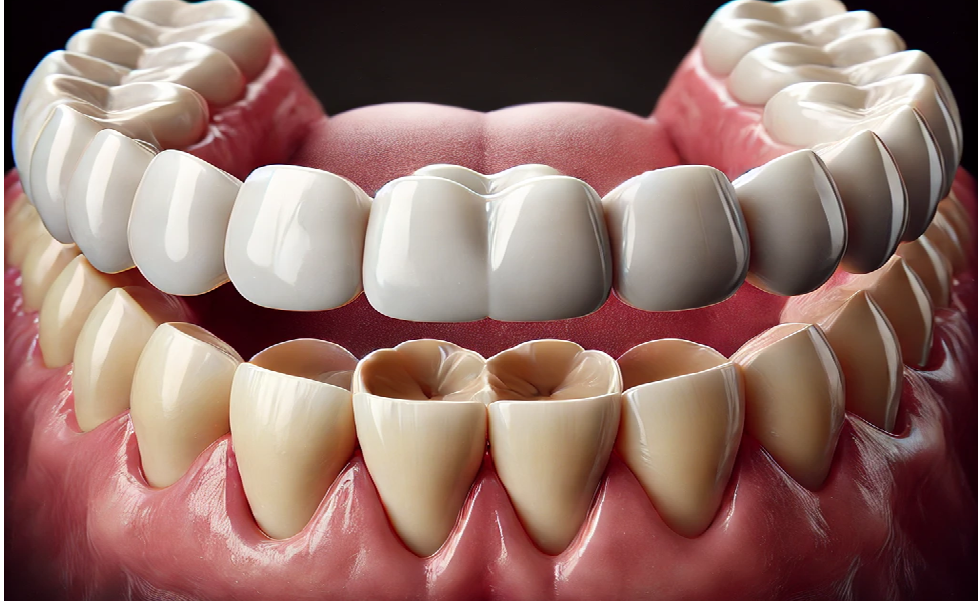
A dental bridge is a common way to replace missing teeth. It has a fake tooth, called a pontic, that's attached to nearby teeth or implants. This makes your smile look natural and complete<>. Bridges can be made from materials like ceramic, porcelain, resin, or gold for a strong and good-looking result.
What is a Dental Bridge?
A dental bridge fills in gaps left by missing teeth. The fake tooth, or pontic, is held in place by teeth on either side or implants<>. It not only makes your smile look better but also keeps your mouth healthy and working right.
Function and Benefits of Dental Bridges
Dental bridges do many important things, including:
- Helping you speak and chew better
- Stopping other teeth from moving
- Making your smile look natural
- Keeping your face's shape and structure
Getting a dental bridge can make your teeth look natural, improve how you eat and talk, and might even be covered by insurance if it's needed for health reasons<>. To keep your bridge in good shape, it's important to see your dentist regularly and clean it well. A bridge usually lasts 5-15 years before it needs to be replaced<>.
""Dental bridges are a great solution for restoring missing teeth and maintaining the health of your smile.""
Types of Dental Bridges and Their Features
Dental bridges are a reliable way to replace missing teeth. There are many types, each with its own benefits and considerations<>.
The traditional fixed bridge is very common. It uses crowns on nearby teeth to hold the fake tooth in place. These bridges cost between $2,000 and $5,000 for one fake tooth and two crowns<>.
The Maryland bridge is another option. It uses metal wings to attach to the teeth, making it more affordable. Prices range from $1,500 to $2,500 for one fake tooth and the metal framework<>.
Cantilever bridges are used when there's only one tooth next to the gap. They're not as common but can be a good choice in some cases<>.
Implant-supported bridges are a durable and long-lasting option. They're held by dental implants, which can cost between $5,000 and $15,000 for a bridge covering three or four teeth<>.
The right bridge depends on your dental situation and your dentist's advice. Consider how many teeth are missing, the health of the teeth around the gap, and your overall oral health<>.
Dental bridges may need to be replaced every 5 to 15 years. Dental implants, however, are a more permanent choice<>. Keeping your teeth clean and visiting the dentist regularly is key to making your bridge last<>.
Knowing about the different dental bridges helps you choose the best one for your needs<><>.
Cost of Dental Bridge Work: Breaking Down the Expenses
The cost of dental bridges varies a lot. Traditional and cantilever bridges cost between $2,000 to $5,000 for a single tooth and two crowns<>. Maryland bridges cost between $1,500 to $2,500 for a tooth with attached wings<>. Implant-supported bridges are the most expensive, costing $5,000 to $15,000 for two implants and three or four teeth<>.
Average Cost Ranges by Bridge Type
The material of the dental bridge affects the price. PFM bridges cost $3,000 to $7,000, while zirconia bridges cost $4,000 to $8,000<>. Gold bridges are the most expensive, costing $5,000 to over $10,000<>.
Geographic Price Variations
Where you live also affects the cost of dental bridges. Prices are higher in cities than in rural areas because of living costs and dental practice density<>.
Material Cost Differences
The material used in dental bridges greatly impacts the cost. Precious metals and all-porcelain options are more expensive than other materials like porcelain-fused-to-metal or zirconia<>.
|-----------------|------------------------| | Bridge Type | Average Cost Range | | PFM Bridge | $3,000 - $7,000 | | Zirconia Bridge | $4,000 - $8,000 | | Gold Bridge | $5,000 - $10,000+ |
Other factors like the number of teeth replaced, the complexity of the procedure, the dentist's experience, and any needed preliminary procedures also affect the cost<>. It's important to consider these when planning for dental bridge costs<>.
To make dental bridges more affordable, talk to your dentist about your budget. Consider cheaper materials, check insurance, and get quotes from different providers<>. By understanding the costs and looking at financing options, you can find the best and most affordable dental bridges for you<><><>.
Factors That Influence Bridge Costs
Several key factors affect the cost of a dental bridge. The number of missing teeth is a big factor, as bridges can replace one, two, or more teeth<>. The type of dental bridge chosen, like traditional or implant-supported, also impacts the price<>.
The materials used for the artificial teeth are another major cost factor. Gold and all-porcelain bridges are pricier than composite resin options<>. The complexity of the procedure and any extra work, like tooth extractions, can also raise costs<>.
The experience and reputation of the dentist and the geographic location of the dental practice also matter. Dental bridges in urban areas or places with a higher cost of living might cost more than in rural areas<><>.
|--------------------------------------|-----------------| | Dental Bridge Cost Factors | Cost Range | | Initial Consultation and Examination | $50 - $200<> | | X-Rays | $90 - $150<> | | Dental Bridge (per unit) | $700 - $1,500<> | | Dental Bridge Installation | $200 - $500<> | | Follow-up Visits | $50 - $200<> |
Understanding these dental bridge cost factors helps patients prepare for the financial investment. It also helps them explore ways to manage the costs<>.
""The cost of a dental bridge can vary significantly depending on the complexity of the case and the specific materials and treatments involved.""
The dental bridge price determinants are key to the overall cost. It's crucial for patients to know these factors when budgeting for dental treatment<><>.
Insurance Coverage and Payment Options
Understanding the costs of dental bridges can be tough. Knowing your insurance and financing options can help. Dental insurance may cover part of the cost, but coverage varies by plan<>. Some plans cover up to 50% for major procedures, while others cover less<>.
It's important to check your plan's details. Look out for annual maximums and waiting periods.
What Insurance Typically Covers
Dental insurance for bridges can be complex. Different plans, like PPOs and HMOs, offer different levels of support<>. Insurers might limit how often you can get a bridge replaced or need pre-approval<>.
In-network dentists usually offer better coverage than out-of-network ones. The type of bridge material also affects how much you'll get back from your insurance<>.
Available Financing Solutions
If you don't have insurance or it doesn't cover much, there are other ways to pay for dental bridges. You can set up payment plans with your dentist, use medical credit cards like CareCredit, or get personal loans<>. You might also use FSAs or HSAs, dental discount plans, or dental school treatments for cheaper options.
Knowing your insurance and exploring financing options can help you get the dental care you need. Being informed can help you find the best way to pay for dental bridges<><>.
Comparing Costs: Bridges vs. Other Dental Solutions
When looking at tooth replacement options, it's key to consider the costs and benefits. Dental bridges usually cost around $6,000<>. Traditional bridges are between $1,500 and $6,300, while implant-supported bridges can cost up to $15,000<>. Dentures, on the other hand, are cheaper, costing between $500 and $2,500 per arch. Yet, they might not offer the same comfort and stability as bridges.
Dental implants are pricier, starting at about $1,500 per tooth, with extra costs for treatments like bone grafting<>. But, implants can last up to 40 years or more<>. Bridges, by contrast, usually last 10-15 years<>.
The right choice depends on your health, budget, and goals. Each option has its own cost, durability, and look. Dental implants can replace up to four teeth, but one or two is more common<>. They also stop jawbone loss, unlike dental bridges , which need healthy teeth to be altered<>.
|---------------------|------------------------|-----------------|-------------------------------------------------------|------------------------------------------------| | Dental Solution | Average Cost | Lifespan | Pros | Cons | | Dental Bridges | $1,500 - $6,300 | 10-15 years | Moderate cost, stable and comfortable | Require removal of healthy tooth structure | | Dental Implants | $1,500+ per tooth | Up to 40+ years | Permanent solution, natural-looking, preserve jawbone | Higher upfront cost | | Dentures | $500 - $2,500 per arch | Varies | Lower cost | May not provide the same stability and comfort |
Insurance for dental bridges and implants varies by plan and provider. Insurance might cover some costs, but there are also deductibles and fees<>. Keeping both bridges and implants in good shape is crucial. This includes regular dental visits and good oral hygiene<>.
In summary, dental bridges might be cheaper at first, but dental implants last longer and look more natural. Your choice should match your needs, budget, and health goals.
Tips for Managing Dental Bridge Expenses
Good oral health can be pricey, especially for dental bridges. But, there are ways to cut costs and make it more affordable<>.
Cost-Saving Strategies
Comparing prices from different dentists is a smart move. Prices can differ a lot, so it's key to find the best deal without sacrificing quality<>. Also, dental schools and community health centers often charge less than private offices<>.
Many dentists offer payment plans to help spread out the cost. Dental discount plans can also save you a lot of money on bridges for a yearly or monthly fee<>.
Finding Affordable Providers
Looking at prices in different places can also save you money. Dental bridge costs change based on where you live<>. Keeping your teeth clean and going to regular check-ups can also prevent expensive dental work later<>.
By using these tips and finding affordable dentists, you can make dental bridges more affordable. This way, you can keep your smile healthy for the long term<><>.
|---------------------------|-----------------------------| | Type of Dental Bridge | Typical Cost Range | | Traditional Bridge | $500 - $1,200 per tooth | | Cantilever Bridge | $500 - $1,200 per tooth | | Maryland Bonded Bridge | $800 - $1,500 per tooth | | Implant-Supported Bridge | $3,000 - $6,000 per implant |
""Maintaining good oral hygiene and attending regular check-ups can prevent the need for more extensive and costly dental work in the future.""<>
Long-term Investment and Maintenance Costs
The cost of a dental bridge is high at first, but think about the long-term costs<>. Dental bridges last 5 to 15 years, based on the type and materials used, and how well you care for your teeth<>. It's key to visit your dentist regularly and take good care of your teeth to keep the bridge in good shape.
As time goes on, you might need to replace the bridge, fix it, or make adjustments<>. Dental bridges can be more cost-effective than dentures because they last longer and don't move around<>. But, remember to consider the dental bridge maintenance and long-term dental bridge costs when deciding.
Financing options like payment plans, insurance, and credit cards can help with the costs of dental bridges<>. Many dental offices also offer financing to make it easier for patients to afford<>.
In summary, while a dental bridge costs a lot at first, its long-term benefits and upkeep costs are important to think about<>. Knowing what affects these costs and looking into financing can help you choose the right dental option for your needs and budget.
""Investing in a dental bridge can be a wise long-term decision, but it's essential to factor in the ongoing maintenance and potential replacement costs to ensure it remains a cost-effective solution.""
|--------------------------------------------|---------------------------| | Dental Bridge Maintenance Costs | Average Cost Estimate | | Routine check-ups and cleanings (per year) | $150 - $300 | | Adjustments or minor repairs | $100 - $400 | | Bridge replacement (every 5-15 years) | $1,500 - $4,500 |
Understanding the long-term costs of dental bridges and looking into financing can help you make a choice that fits your health and budget needs<><>.
Conclusion
Dental bridges are a great way to replace missing teeth. The cost can vary a lot, from $1,500 to $5,000 per tooth<>. But, they offer many benefits like better oral health, function, and looks<>.
When choosing a dental bridge, think about your dental needs, budget, and health goals. This will help you make the best choice.
Looking into insurance, financing, and ways to save can help make bridges more affordable<>. Dental insurance often covers part of the cost, up to 50%<>. There are also flexible payment plans and financing options to consider<>.
Talking to a dentist is key to finding the best and most affordable bridge for you<>. Different bridges last longer and cost less based on materials and needs. Working with a dentist is important to pick the right one<>.
By understanding the costs and what affects them, you can make a smart choice. This choice should fit your health and financial plans.
FAQ
What is the average cost of a dental bridge?
Dental bridges cost between $1,500 and $5,000. The average price is about $4,313.
What factors influence the cost of a dental bridge?
Several things can change the price of a dental bridge. These include the bridge type, materials, how many teeth are missing, and where you live. The dentist's experience and any extra dental work also play a role.
What are the different types of dental bridges?
There are a few main types of dental bridges. These are traditional fixed bridges, Maryland bridges, cantilever bridges, and implant-supported bridges. The right choice depends on your dental situation and the dentist's advice.
How much do different types of dental bridges typically cost?
Traditional and cantilever bridges cost $2,000 to $5,000 for one tooth. Maryland bridges are $1,500 to $2,500 for one tooth. Implant-supported bridges can be $5,000 to $15,000 for two implants covering three or four teeth.
Does dental insurance cover the cost of a dental bridge?
Dental insurance might help pay for a bridge, but coverage varies. Some plans cover up to 50% of the cost for major procedures. But, there might be annual limits and waiting periods.
What financing options are available for dental bridges?
If insurance doesn't cover enough, there are other ways to pay. You can use dental office payment plans, medical credit cards, personal loans, or healthcare installment loans. You can also use Flexible Spending Accounts (FSAs) or Health Savings Accounts (HSAs).
How do the costs of dental bridges compare to other tooth replacement options?
Dental bridges are in the middle price range compared to other options. Dentures are cheaper, but dental implants are pricier. Implants last longer and have a high success rate.
What strategies can be used to manage the cost of dental bridges?
To save on dental bridges, compare prices from different dentists. Look into dental schools or community health centers for lower costs. Ask about discounts and payment plans offered by dentists.
What are the long-term costs associated with dental bridges?
Dental bridges can last 5-15 years. Costs for replacement, repairs, and adjustments may add up. But, bridges might be a better value than dentures because they're more durable and fixed.