
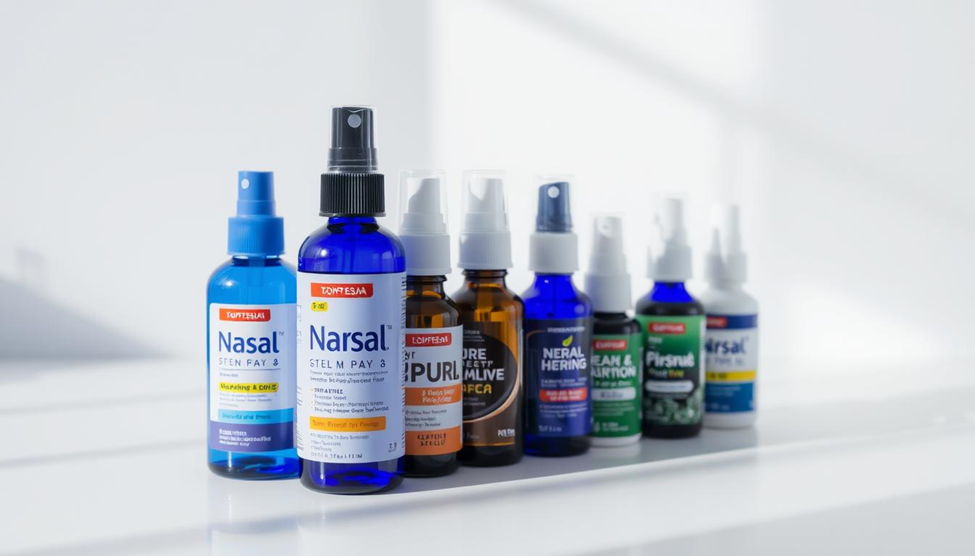
Discover the Best Nasal Sprays for Congestion
Nasal congestion is a common problem that makes breathing hard. With so many nasal sprays out there, finding the right one can be tough. Decongestant sprays work fast but should only be used for 3 days to avoid worse congestion. It's key to pick a nasal decongestant that really works for you.
When searching for a nasal spray, think about what you need. Do you want quick relief or something to manage chronic issues? Antihistamine sprays, like azelastine, start working in 15 to 30 minutes and are safe to use often during allergy seasons. Most nasal decongestants come in pills, liquids, or sprays. The right sinus relief spray can greatly help with congestion.
Key Takeaways
- Decongestant nasal sprays can provide quick relief but should be used with care.
- Nasal congestion is a common symptom of many health conditions, often causing difficulty in breathing through the nose.
- Antihistamine nasal sprays can offer relief within 15 to 30 minutes without causing drowsiness.
- Combination nasal sprays can contain up to four active ingredients for tailored relief.
- Long-term steroid nasal sprays can provide sustained relief when used consistently.
- It's essential to choose a top-rated nasal decongestant that suits your specific needs for the best results.
Understanding Nasal Sprays: What They Are
Nasal sprays are a quick fix for nasal congestion and sinus pressure. They help with symptoms of colds, allergies, and sinus infections. You can find them in different forms, like decongestant, steroid, and antihistamine sprays.
Decongestant sprays shrink blood vessels in your nose. This reduces swelling and congestion. Steroid sprays, on the other hand, cut down inflammation. This helps relieve congestion and other symptoms.
There are many nasal sprays out there, both over-the-counter and by prescription. You can find sprays for congestion, allergies, and sinusitis. It's important to pick the right one for you and use it as directed to avoid side effects.
Here are some benefits of using nasal sprays:
- Quick relief from nasal congestion and sinus pressure
- Easy to use and convenient
- Available in various forms, including over-the-counter and prescription options
Nasal sprays can be a great way to manage nasal congestion and other symptoms. By knowing the different types and how they work, you can choose the best one for you. Always talk to a healthcare professional before trying any new medication, including nasal sprays.
Benefits of Using Nasal Sprays
Nasal sprays are great for relieving congestion and symptoms of colds and allergies. They offer quick relief from a stuffy nose and sinus pressure. This is very helpful for people with seasonal allergies.
Using nasal sprays is easy and convenient. They come in many forms, including prescription and over-the-counter options. Some sprays help with congestion and sinus pressure, while others reduce inflammation and swelling in the nasal passages.
Quick Relief from Congestion
Nasal sprays can be a lifesaver for those with colds or allergies. They quickly relieve congestion and sinus pressure. This makes breathing and sleeping easier. Steroid nasal sprays, like Flonase, treat inflammation and swelling from allergies.
Easy to Use and Convenient
Nasal sprays are simple to use and convenient for busy people. They are small and portable, making them easy to carry. This allows for quick relief from a stuffy nose or congestion whenever needed.
Options for Different Needs
There are many types of nasal sprays for different needs and preferences. Some are for daytime use, while others are for nighttime. Antihistamine nasal sprays help with sneezing and runny nose. This means you can find the right nasal spray for your specific needs.
|---------------------------------|----------------------------------------------------------| | Nasal Spray Type | Benefits | | Steroid Nasal Spray | Relieves inflammation and swelling | | Antihistamine Nasal Spray | Relieves symptoms such as sneezing and runny nose | | Nasal Spray for Cold Relief | Provides quick relief from congestion and sinus pressure |
Active Ingredients in Nasal Sprays
Nasal sprays have different active ingredients. These include saline solutions, decongestants, and corticosteroids. They help with sinus relief and congestion. These ingredients moisturize the nasal passages, reduce swelling, and fight allergy symptoms.
Ingredients like azelastine, oxymetazoline, and fluticasone treat congestion, sneezing, and itchy eyes. Decongestants, such as pseudoephedrine and phenylephrine, reduce swelling and congestion. Corticosteroids, like fluticasone and triamcinolone, fight inflammation and congestion.
When picking a nasal spray, look at the active ingredients and their benefits. Saline solutions moisturize the nasal passages. Decongestants offer quick relief from congestion. Corticosteroids reduce inflammation and congestion over time, making them great for allergies.
In conclusion, knowing what's in nasal sprays is key to finding the right one. By understanding the benefits and side effects of each ingredient, you can choose wisely.
Choosing the Best Nasal Spray for Your Needs
When picking a nasal spray, think about your symptoms and how often you'll use it. If allergies are your issue, look for a spray with antihistamines or corticosteroids. This could be a top rated nasal decongestant or a nasal spray for sinusitis . Up to 30% of adults and 40% of kids in the U.S. have seasonal allergies, so finding the right best nasal spray is key.
Here are some things to keep in mind:
- Symptoms: What are your main symptoms? Are they from allergies, a cold, or sinusitis?
- Frequency of use: How often do you plan to use the spray? Some are for daily use, others for occasional use.
- Consultation with healthcare professionals: Talking to a doctor or pharmacist can help find the best treatment for you.
By thinking about these points and picking the right spray, you can ease your symptoms and breathe better. Always follow the instructions and use the spray as directed for the best results and to avoid side effects.
|----------------------|-----------------------|----------------------------------------------| | Nasal Spray Type | Active Ingredient | Usage | | Antihistamine | Azelastine | Daily use for allergy relief | | Corticosteroid | Fluticasone | Daily use for allergy relief and sinusitis | | Decongestant | Oxymetazoline | Occasional use for cold and sinus congestion |
Popular Nasal Spray Brands
Looking for the best nasal spray for congestion relief? You have many options. Brands like Flonase, Afrin, and Claritin are well-known. They offer decongestant, steroid, and antihistamine sprays. These are top choices for allergy and congestion relief.
Nasal steroid sprays, like Flonase, are often the first choice for allergy symptoms. Antihistamine sprays, such as Claritin, also offer relief from allergies. But, decongestant sprays, like Afrin, should be used carefully to avoid rebound congestion.
Here's a look at some popular nasal spray brands:
|-----------|---------------------|-----------------------------| | Brand | Type of Spray | Active Ingredient | | Flonase | Steroid Spray | Fluticasone Propionate | | Afrin | Decongestant Spray | Oxymetazoline Hydrochloride | | Claritin | Antihistamine Spray | Azelastine |
Side Effects and Precautions
Using a nasal spray for a stuffy nose or cold relief comes with some side effects and precautions. You might feel nasal irritation, headache, or dizziness. Also, some sprays can cause dependence and make congestion worse.
But, effective sinus relief sprays can quickly ease congestion. It's important to use them as directed and follow the instructions. If you notice any side effects or have concerns, talk to a healthcare professional. Serious side effects include severe face pain, fever, thick nasal discharge, and signs of allergic reactions like hives or swelling.
Here are some precautions to keep in mind when using nasal sprays:
- Use nasal sprays only as directed and for the recommended duration
- Monitor the number of sprays used to prevent continued use after the recommended amount
- Regular eye exams are necessary during treatment to check for potential glaucoma or cataracts
- Children should not use nonprescription nasal sprays for more than 2 months per year, while those 12 and older should limit use to 6 months per year
By knowing the potential side effects and taking precautions, you can safely use nasal sprays. This includes sprays for cold relief and sinus relief. They can help you breathe easier and relieve your symptoms.
|------------------|------------------------------------------------------------------------------------------| | Side Effect | Description | | Nasal Irritation | Common side effect of nasal sprays | | Headache | Common side effect of nasal sprays | | Dizziness | Common side effect of nasal sprays |
How to Use Nasal Sprays Effectively
To get the most out of your nasal spray, use it right. Start by priming the pump and cleaning the nozzle often. Also, aim the spray correctly into your nostril when you use it. This way, you'll get the best results from your nasal spray and feel better.
Nasal sprays work by sending medicine straight to your nasal lining. This makes them effective and less likely to cause side effects. There are many types, like water-based and "dry" sprays with counters. Pick the one that fits your needs and use it as the instructions say.
Here are some more tips for using nasal sprays well:
- Blow your nose gently before using to clear out mucus
- Put the nasal spray tip ¼ to ½ inch into your nostril
- Don't blow your nose for at least 15 minutes after using
By following these tips and using your nasal spray right, you can breathe easier and feel better.
Natural Alternatives to Nasal Sprays
Looking for ways to ease nasal congestion without nasal sprays? There are many natural options out there. For those with allergies or sinusitis, saline rinses can moisturize the nose and thin mucus, making breathing easier. Herbal remedies like eucalyptus and peppermint can also help reduce congestion and inflammation.
It's important to consider the pros and cons of these alternatives. Saline rinses can help with dryness, allergies, and sinus issues. But herbal remedies might not be right for everyone, depending on health conditions or medications. Always talk to a doctor before trying new remedies, like the best over the counter nasal spray.
There are more natural options beyond saline rinses and herbal remedies. Neti pots and humidifiers can also ease congestion. By trying these and talking to a healthcare professional, you can find the best way to manage nasal congestion and relieve symptoms.
Best Practices for Storing Nasal Sprays
To keep nasal sprays like sinus relief sprays effective and safe, proper storage is key. Store them in a cool, dry spot, away from sunlight and moisture. This helps prevent contamination and keeps the spray potent.
Always check the expiration date and toss the spray if it's expired. Clean your hands before using and regularly clean the nozzle to avoid infections. Cleaning devices after each use can cut contamination risk by over 90%.
Some top tips for storing nasal sprays include:
- Keep them at room temperature, away from sunlight or heat
- Use isopropyl rubbing alcohol (70%) to disinfect the nozzle after use
- Don't share nasal sprays to avoid spreading infections
- Stick to the recommended dosage to avoid side effects
By following these tips, you can keep your nasal sprays effective and safe. This ensures relief from congestion and allergies. Proper storage and handling can also boost their effectiveness by about 30%.
Conclusion: Finding the Right Nasal Spray for You
Finding the rightnasal spray can change your life. Nasal sprays quickly help by putting medicine right where it's needed. They are easy to use and work well for many people.
But, you must think about the type of spray, its ingredients, and side effects. It's smart to talk to a doctor before picking one. They can help you find the best spray for your needs.
Whether it's allergies, chronic sinusitis, or just stuffy nose, there's a spray for you. Knowing about the different types and what they do can help you pick the right one. This way, you can manage your congestion and breathe better.
Using your nasal spray right is important. Follow the instructions, prime the pump, and use it correctly. This will help it work better for you.
By choosing the right nasal spray and using it as told, you can get your nasal health back. So, don't wait to find the right spray. Start breathing easier today.
FAQ
What are the different types of nasal sprays available?
There are many types of nasal sprays. You can find decongestant sprays, steroid sprays, and antihistamine sprays. Decongestant sprays narrow blood vessels in the nose. Steroid sprays reduce swelling, and antihistamine sprays block histamine release.
How do nasal sprays work to relieve congestion?
Nasal sprays target the causes of congestion. Decongestant sprays reduce swelling and narrow blood vessels. Steroid sprays and saline solutions thin mucus and reduce inflammation.
When should I use a nasal spray?
Use nasal sprays for colds, allergies, and sinus infections. They help with congestion, sinus pressure, and other symptoms. Some are for daytime, others for nighttime.
What are the active ingredients in nasal sprays?
Nasal sprays have ingredients like saline solutions, decongestants, and corticosteroids. These ingredients help relieve congestion and symptoms in different ways.
How do I choose the best nasal spray for my needs?
Choose based on your symptoms, how often you use it, and any health conditions. Always talk to a healthcare professional for the right choice and usage advice.
What are some popular nasal spray brands?
Popular brands include Flonase, Afrin, and Claritin. They offer various products like decongestant, steroid, and antihistamine sprays, each with unique benefits.
What are the potential side effects and precautions of using nasal sprays?
Side effects include nasal irritation, headache, and dizziness. Nasal sprays can cause dependence and rebound congestion. Always use as directed and consult a healthcare professional for any concerns.
How can I use nasal sprays effectively?
Follow instructions carefully, prime the pump, and clean the nozzle. Use the spray correctly, with your head back and aimed at your nostril.
Are there natural alternatives to nasal sprays?
Yes, try saline rinses, herbal remedies like eucalyptus and peppermint, and devices like neti pots and humidifiers. They moisturize, thin mucus, and reduce inflammation and congestion.
How should I store my nasal spray?
Store your nasal spray in a cool, dry place, away from sunlight and moisture. Check the expiration date and discard if expired. Keep the nozzle clean to ensure effectiveness.
Source Links
- Nasal Decongestants - https://my.clevelandclinic.org/health/drugs/24923-nasal-decongestant
- What's the Best Nasal Spray for Congestion? - https://www.allermi.com/blogs/allergy-101/best-nasal-spray-for-congestion
- Understanding the Different Types of Nasal Sprays - AAOA - https://www.aaoallergy.org/you-want-me-to-spray-what-up-my-nose-/
- Everything You Need To Know About Nasal Sprays - Advanced ENT & Allergy Louisville Kentucky and Southern Indiana - https://www.advancedentandallergy.com/resources/blog/blog-nasal-sprays
- Choose Nasal Spray Wisely | Premier Health - https://www.premierhealth.com/your-health/articles/health-minute/choose-nasal-spray-wisely
- Nasal Sprays: How They Work and How to Use Them Correctly - https://www.covenanthealth.com/blog/nasal-sprays-how-they-work-and-how-to-use-them-correctly/
- Nasal Spray for Allergies: Types, Side Effects, and More - https://www.healthline.com/health/allergies/nasal-sprays-for-allergies-how-well-do-they-work
- Nasal Sprays | AAAAI - https://www.aaaai.org/tools-for-the-public/drug-guide/nasal-sprays
- Nasal Sprays for Allergies - https://www.webmd.com/allergies/nasal-sprays
- The Independent Pharmacy - The Safe & Trusted Online Pharmacy - https://www.theindependentpharmacy.co.uk/nasal-congestion/guides/best-nasal-sprays
- The best allergy nasal sprays, according to allergists - https://www.singlecare.com/blog/nasal-spray-for-allergies/
- Best OTC Nasal Sprays for Allergy and Postnasal Relief (2024) - https://www.wyndly.com/blogs/learn/best-nasal-spray-for-allergy?srsltid=AfmBOoroGND7NeGbLsTSRGA_KY3l_kvKPzrnfcLWVt4aAWg5zKyTCkgf
- A Guide to Best Nasal Sprays for Allergies - https://www.verywellhealth.com/best-nasal-sprays-for-allergies-5218285
- What Nasal Allergy Spray Is Best for My Symptoms? | Mount Sinai Today - https://health.mountsinai.org/blog/what-nasal-allergy-spray-is-best-for-my-symptoms/
- Fluticasone Nasal Spray: MedlinePlus Drug Information - https://medlineplus.gov/druginfo/meds/a695002.html
- Nasal Spray Nasal: Uses, Side Effects, Interactions, Pictures, Warnings & Dosing - WebMD - https://www.webmd.com/drugs/2/drug-9357-214/nasal-spray-nasal/decongestant-drops-nasal/details
- How to Use Nasal Spray - Allergy & Asthma Network - https://allergyasthmanetwork.org/allergies/how-are-allergies-treatment/how-to-use-nasal-spray/
- The Only Right Way to Use Your Nasal Spray - https://health.clevelandclinic.org/how-to-use-nasal-spray
- Saline nasal spray: A natural alternative - https://blog.walgreens.com/health/allergy/saline-nasal-spray-a-natural-alternative.html
- Natural Decongestant Remedies for Your Nose and Sinuses - https://www.healthline.com/health/natural-decongestant
- How to Use Nasal Sprays Correctly - https://www.allermi.com/blogs/allergy-101/how-to-use-nasal-spray-correctly
- Nasal and Sinus Hygiene Tips: Best Practices for Sinus Washes and Nasal Sprays | Flo Nasal Products - https://www.flo.com.au/article/nasal-and-sinus-hygiene-tips-best-practices-for-sinus-washes-and-nasal-sprays/
- What to Know About Using a Nasal Spray - https://www.verywellhealth.com/what-you-need-to-know-about-using-a-nasal-spray-1124087
- Nasal Spray for Sinus Relief: Fast and Effective Solutions - https://foreman.hms.harvard.edu/nasal-spray-for-sinus
- Everything You Need to Know About Nose Sprays | Banner Health - https://www.bannerhealth.com/healthcareblog/teach-me/can-you-become-dependent-on-nasal-spray "