
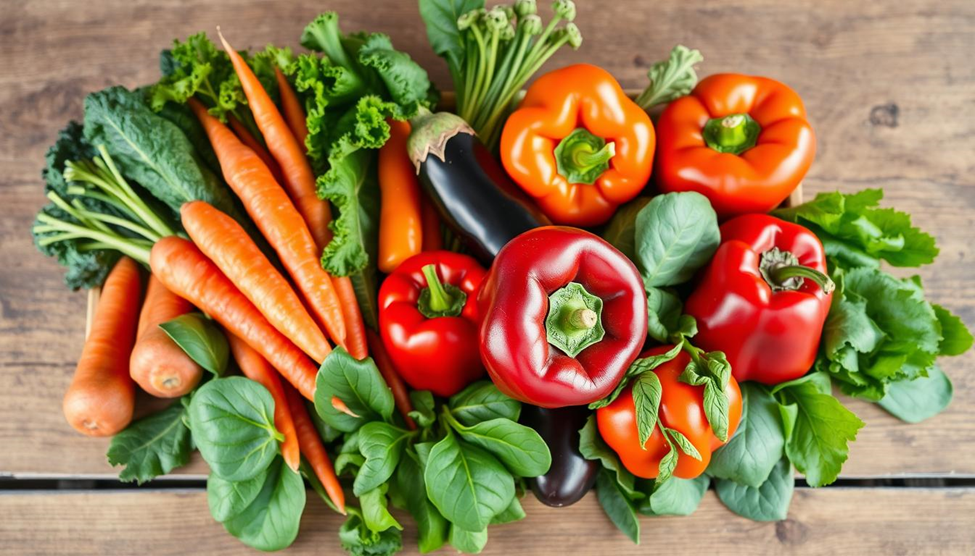
Discover the Healthiest Veggies to Improve Well-Being
Eating a variety of vegetables can boost your health and happiness. They are full of fiber, vitamins, minerals, and antioxidants. These help prevent long-term diseases. Foods like broccoli and kale are packed with nutrients that keep you healthy. Adding these veggies to your meals can greatly improve your well-being. It's smart to eat a mix to meet the "5-a-day" goal.
To get healthier, focus on eating different types of veggies. Include leafy greens, cruciferous veggies, and colorful ones like bell peppers and carrots. Adding these to your diet can lead to better health and happiness. They are the top choices for staying healthy.
Key Takeaways
- Eating a variety of vegetables can improve health and well-being.
- Incorporating the healthiest vegetables into your diet can have a significant impact on your overall health.
- Consuming a variety of vegetables can help prevent chronic diseases.
- Nutritious veggies like broccoli and kale provide essential nutrients that support overall health.
- The best vegetables for health include leafy greens, cruciferous vegetables, and colorful additions like bell peppers and carrots.
Why Vegetables Are Essential for Health
Vegetables are key to a healthy diet. They offer essential nutrients, fiber, and antioxidants. These help prevent chronic diseases. Eating a variety of top veggies for well-being can lower heart disease, diabetes, and cancer risks. A diet full of fresh produce for a healthy diet also lowers blood pressure and boosts health.
Vegetables are packed with fiber, aiding digestion and keeping you full. They also have antioxidants that fight inflammation and improve health. Optimal vegetables for nutrition include leafy greens, cruciferous veggies, and colorful ones like bell peppers and carrots. These veggies are full of vitamins and minerals like vitamin C, K, and potassium.
Eating a variety of vegetables supports your health and well-being. By adding top veggies for well-being to your meals, you can lower disease risk and enhance your life quality.
|------------------------|------------------------------------------------------------------------------------| | Vegetable | Nutritional Benefits | | Leafy Greens | Rich in vitamins A, C, and K, and minerals like calcium and iron | | Cruciferous Vegetables | High in vitamins C and K, and contain cancer-fighting compounds | | Colorful Additions | Rich in vitamins A and C, and contain antioxidants and anti-inflammatory compounds |
Top 10 Healthiest Vegetables to Include
There are many healthy greens to add to our meals. Spinach, kale, and broccoli are full of nutrients. They help keep us healthy and prevent diseases.
Leafy greens like spinach and kale give us all the vitamin K we need. They also have lots of vitamin A, C, magnesium, and more. Broccoli and cauliflower are also packed with vitamins and minerals. One cup of broccoli has 30.9 calories and lots of vitamin K and C.
Leafy Greens: Spinach and Kale
Leafy greens are super healthy. They're full of vitamins, minerals, and antioxidants. They're great in salads, smoothies, and sautéed dishes.
Cruciferous Vegetables: Broccoli & Cauliflower
Cruciferous veggies are also very nutritious. Broccoli has 77% of vitamin K and 90% of vitamin C in one cup. Cauliflower is also full of fiber and vitamins, making it a healthy choice.
Colorful Additions: Bell Peppers and Carrots
Colorful veggies like bell peppers and carrots are not only pretty but also nutritious. Bell peppers have antioxidants that are good for us. Carrots are full of vitamin A, with one cup giving us over four times the daily amount.
|---------------|-----------------------------------------| | Vegetable | Nutritional Benefits | | Spinach | Rich in vitamin K, vitamin A, and iron | | Broccoli | High in vitamin C, vitamin K, and fiber | | Carrots | Rich in vitamin A and antioxidants |
The Power of Leafy Greens
Leafy green vegetables are packed with nutrients. They have more vitamins, minerals, and phytochemicals per calorie than any other food group. They are full of vitamins K, A, and E, calcium, potassium, and folate. Plus, they are low in calories and sodium.
These greens are key for a balanced diet. They offer many health benefits when eaten as part of a healthy meal plan.
Spinach and kale are among the best vegetables for health . They are rich in vitamins and antioxidants. This makes them a great choice for any meal.
One cup of raw spinach gives you 121% of the daily value for vitamin K. It also gives 16% of the daily value for vitamin A and 12% of the daily value for manganese. Eating these veggies can help lower the risk of heart disease and some cancers.
A table showing the nutritional benefits of leafy greens is below:
|-----------------|---------------|---------------|---------------| | Leafy Green | Vitamin K | Vitamin A | Vitamin C | | Spinach | 121% DV | 16% DV | 12% DV | | Kale | 68% DV | 6% DV | 22% DV | | Swiss Chard | 299 mcg | 12% DV | 12% DV |
Eating leafy greens can greatly improve your health. They are some of the best vegetables for health . Their high nutritional value and health benefits make them stand out as some of the healthiest vegetables available.
Cruciferous Vegetables and Their Benefits
Cruciferous vegetables are some of the healthiest foods we can eat. They are packed with vitamins, minerals, and antioxidants. These nutrients can boost our health. Broccoli, for example, is full of vitamins C and K, and fiber. It also has compounds that fight inflammation and cancer, making it a top choice for well-being.
These veggies help lower cholesterol and inflammation. They also improve heart health and digestion. Plus, they are low in calories but high in nutrients. Broccoli, for instance, is rich in vitamins C, folic acid, and A. It's a great pick for a healthy diet.
Here are some of the key nutritional benefits of cruciferous vegetables:
- Rich in vitamins C and K
- High in fiber and antioxidants
- Low in calories and rich in nutrients
- May help reduce cholesterol levels and inflammation
Adding cruciferous vegetables to our meals is easy and tasty. They offer many health benefits and are full of nutrients. They are a fantastic choice for a healthy diet, making them a great addition to our daily meals.
Colorful Vegetables: More Than Just Pretty Plates
Colorful vegetables add flavor and nutrients to any meal. They are not just greens, but also superfoods that boost any dish's health. Carrots and bell peppers, for example, are full of vitamins and antioxidants, making them perfect for a healthy diet.
Carrots are packed with vitamin A, which is key for good vision and skin. Bell peppers are also high in vitamin C, helping our immune system. These veggies can make any meal colorful and tasty.
These vegetables are not only tasty but also full of nutrients. Adding them to our meals can greatly improve our health and well-being.
Vegetables for Heart Health
Keeping our heart healthy is key to feeling good. Eating the healthiest vegetables is a big help. Foods high in fiber, like veggies, fruits, and whole grains, are great for the heart. Also, choosing "low sodium" or "no salt added" foods is important for heart health.
Beets and tomatoes are top picks for heart health. Beets have nitrates that can lower blood pressure and boost heart health. Tomatoes are full of lycopene, which fights heart disease. Here's how to add these nutritious veggies to your meals:
- Eat fresh veggies like tomatoes, cabbage, and carrots to boost heart health.
- Use canned veggies with low sodium for easy heart-healthy meals.
- Add fresh fruits like apples and oranges to your diet for better nutrition.
Eating healthiest vegetables and fruits regularly can lower heart disease risk. By choosing wisely and adding these nutritious veggies to our meals, we can keep our heart healthy.
Seasonal Vegetables and Their Health Benefits
Exploring vegetables, we find the value of seasonal produce. Seasonal veggies offer a nutritional boost and meal variety. For example, asparagus is packed with vitamin C and fiber, enhancing our diet. Zucchini, rich in vitamin C and potassium, is perfect for summer.
Adding top veggies for well-being to our diet greatly benefits our health. Fresh, seasonal produce is key for a healthy diet. Spring asparagus and summer zucchini are great examples. They taste great and offer many health benefits.
To enjoy seasonal veggies, try these tips:
- Visit your local farmer's market for fresh, seasonal produce
- Try new recipes to include seasonal veggies in your meals
- Freeze or can seasonal veggies to enjoy them all year
By adding seasonal veggies to our diet, we get health benefits and meal variety. Whether seeking top veggies for well-being or fresh produce, seasonal options are ideal. They provide essential nutrients for a healthy, happy life.
Incorporating Vegetables into Your Diet
To enjoy the benefits of wholesome greens and superfood veggies, add them to your daily meals. It's easy and tasty, as the third source shows. You can mix them into your meals, snack on them, or even make them the main dish.
Adding veggies to your diet is simple. Try making veggie soups or adding extra veggies to soups and sauces. You can also top whole grain dishes with them. For a nutritious meal, try savory oatmeal with kale and mushrooms, or make veggie-rich noodle alternatives.
Here are some tips to add more veggies to your diet:
- Start your day with a vegetable-packed omelette or smoothie
- Use vegetables as a snack, such as carrot sticks with hummus or a handful of spinach
- Make a big batch of vegetable soup on the weekend and use it throughout the week
By adding more veggies to your diet, you'll get lots of nutrients and feel better. So, get creative and find ways to add more wholesome greens , superfood vegetables , and nutrient-rich veggies to your meals!
Conclusion: Making Vegetables a Daily Habit
Adding more veggies to our diet can greatly improve our health and happiness. The World Health Organization and Food and Agriculture Organization suggest eating at least five servings of fruits and veggies daily, except for starchy ones. Eating veggies regularly can help prevent diseases, improve digestion, and help with weight control.
Creating a Balanced Plate
To get the most from veggies, aim for a balanced plate. Try to fill half your plate with different colorful veggies like leafy greens, cruciferous ones, and bell peppers. This easy trick helps you reach your daily veggie goals and ensures you get a variety of nutrients.
Long-Term Health Impact of Vegetables
Many studies show that eating lots of veggies is good for our health in the long run. Eating more veggies can lower the risk of heart disease, cancer, and type 2 diabetes. They also help with bone health, brain function, and weight management, making them key to a healthy lifestyle.
By adding more healthy veggies to our diet, we can greatly improve our well-being. This simple change can have a big, positive effect on our health and life quality.
FAQ
What are the healthiest vegetables to include in my diet?
The healthiest veggies include leafy greens like spinach and kale. Also, cruciferous veggies like broccoli and Brussels sprouts are great. Don't forget colorful veggies like bell peppers and carrots.
What are the nutritional benefits of eating vegetables?
Vegetables are packed with nutrients, fiber, and antioxidants. They help keep your health in check and prevent diseases like heart disease and diabetes. They also aid in digestion.
How can I incorporate more vegetables into my meals?
Adding more veggies is easy. Try new recipes, use them as snacks, or make them the main dish. Meal prep and planning can also make veggies a regular part of your diet.
What are the benefits of eating seasonal vegetables?
Seasonal veggies offer a nutritional boost and add variety to your meals. For example, spring asparagus and summer zucchini have unique health benefits.
How can vegetables improve heart health?
Some veggies, like beets and tomatoes, are good for your heart. They help control blood pressure and offer antioxidants that protect your heart.
Source Links
- Top 20 healthiest vegetables - https://www.bbcgoodfood.com/health/nutrition/top-20-healthiest-vegetables
- What are the healthiest vegetables? The No. 1 pick, according to a dietitian - https://www.today.com/health/diet-fitness/healthiest-vegetables-rcna141106
- Study Shows Eating Cabbage May Lower Your Risk of Chronic Diseases - https://www.goodhousekeeping.com/health/diet-nutrition/g28556528/healthiest-vegetables/
- Vegetables and Fruits - https://nutritionsource.hsph.harvard.edu/what-should-you-eat/vegetables-and-fruits/
- Health Benefits of Vegetables - https://www.webmd.com/diet/health-benefits-vegetables
- 15 healthiest vegetables: Nutrition and health benefits - https://www.medicalnewstoday.com/articles/323319
- 20 Healthiest Vegetables: Nutrition and Health Benefits - https://www.verywellhealth.com/healthiest-vegetables-8415670
- 14 of the Healthiest Vegetables Around - https://www.healthline.com/nutrition/14-healthiest-vegetables-on-earth
- Harness the Power of Greens - https://www.todaysdietitian.com/newarchives/1123p14.shtml
- The 13 Healthiest Leafy Green Vegetables - https://www.healthline.com/nutrition/leafy-green-vegetables
- The Best Leafy Green Vegetables for Your Health - https://www.health.com/green-leafy-vegetables-to-eat-8405523
- This Is Why Mom Said To Eat Your Broccoli (and Other Cruciferous Veggies) - https://health.clevelandclinic.org/crunchy-and-cruciferous-youll-love-this-special-family-of-veggies
- What Is the Healthiest Cruciferous Vegetable? 10 Best Veggies - https://www.medicinenet.com/what_is_the_healthiest_cruciferous_vegetable/article.htm
- Brighten Your Plate by Choosing Colorful Fruits and Vegetables - https://cns.ucdavis.edu/news/brighten-your-plate-choosing-colorful-fruits-and-vegetables
- Heart-Healthy Foods: Shopping List - MyHealthfinder - https://odphp.health.gov/myhealthfinder/health-conditions/heart-health/heart-healthy-foods-shopping-list
- 17 Incredibly Heart-Healthy Foods - https://www.healthline.com/nutrition/heart-healthy-foods
- Health Benefits of Seasonal Vegetables - https://ratiofood.com/blogs/news/health-benefits-of-seasonal-vegetables
- 21 Healthiest Vegetables to Incorporate Into Your Diet, According to RDs - https://www.realsimple.com/healthiest-vegetables-7483353
- 17 Creative Ways to Eat More Vegetables - https://www.healthline.com/nutrition/17-ways-to-eat-more-veggies
- How to Eat More Fruit and Vegetables - https://www.heart.org/en/healthy-living/healthy-eating/add-color/how-to-eat-more-fruits-and-vegetables
- Fruit and Vegetable Intake: Benefits and Progress of Nutrition Education Interventions- Narrative Review Article - https://pmc.ncbi.nlm.nih.gov/articles/PMC4644575/
- How Many Servings of Vegetables Should You Eat per Day? - https://www.healthline.com/nutrition/servings-of-vegetables-per-day
- Critical review: vegetables and fruit in the prevention of chronic diseases - https://pmc.ncbi.nlm.nih.gov/articles/PMC3419346/ "