
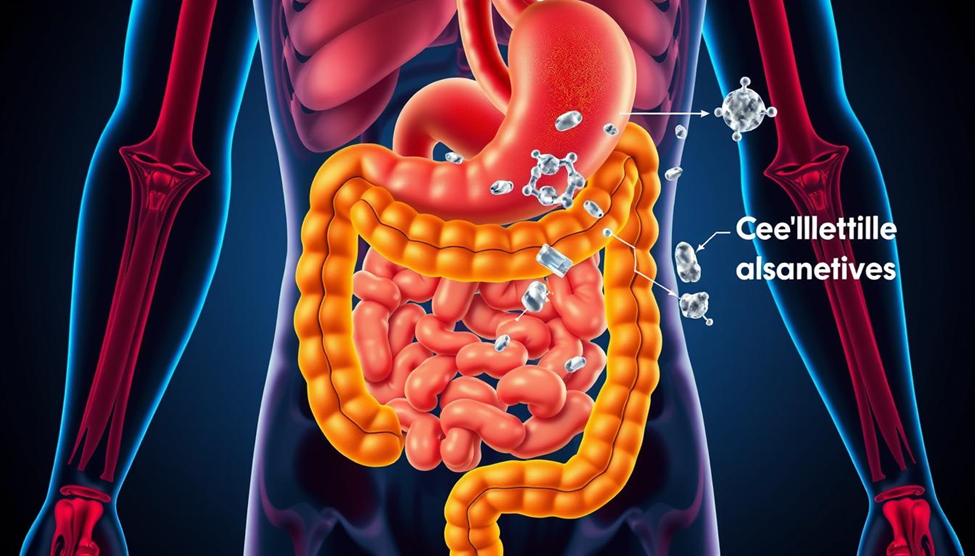
Does Calcium Cause Constipation? What You Need to Know
Calcium is vital for our bodies, but does it cause constipation? Many, including those on calcium supplements, wonder about this. About 22% of men and 32% of women take calcium supplements. Knowing how calcium and constipation are linked can guide your health choices.
The relationship between calcium and constipation is intricate. Studies show calcium carbonate can lead to constipation, bloating, diarrhea, and stomach pain. The National Institutes of Health say calcium might cause constipation in some. If you're curious about calcium and constipation, you're not alone. It's key to look into the science to grasp the risks and benefits of calcium supplements.
Our bones reach their peak mass in our early 20s. After that, bone loss speeds up. This makes keeping calcium levels right throughout our lives crucial. The connection between calcium and constipation is a big part of this. It's important to know the side effects of calcium supplements, like constipation.
Key Takeaways
- Calcium is essential for our bodies, but it may cause constipation in some individuals.
- Approximately 22% of men and 32% of women take a calcium supplement.
- Calcium carbonate is often associated with constipation, bloating, diarrhea, and abdominal pain.
- Individuals reach peak bone mass around their early 20s, after which bone mass is lost faster than it is created.
- Understanding the relationship between calcium and constipation can help you make informed decisions about your health.
- The National Institutes of Health concludes that calcium may cause constipation in some individuals.
Understanding Calcium and Its Role in the Body
Calcium is key for strong bones and teeth, and it helps muscles and nerves work right. Men and women between 19 and 50 need 1,000 mg of calcium each day. Taking calcium supplements can help meet these needs, but they might cause constipation.
Constipation is a common side effect of calcium on digestion. Yet, calcium is vital for health. Eating foods rich in calcium, like dairy and leafy greens, can lessen the need for supplements. This can also lower the chance of getting constipated.
It's important to know that calcium supplements can affect other medicines and have different amounts of calcium. For instance, calcium carbonate has about 40% calcium, while calcium citrate has about 21%. Knowing these differences helps you choose the right calcium and avoid constipation.
|--------------------|--------------------------------------| | Age Group | Recommended Daily Calcium Intake | | Men 19-50 | 1,000 mg | | Men 51-70 | 1,000 mg | | Men 71 and older | 1,200 mg | | Women 19-50 | 1,000 mg | | Women 51 and older | 1,200 mg |
Knowing about calcium's role and its side effects helps you make smart choices about your calcium intake. This balance between supplements and food is key to staying healthy.
Dietary Sources of Calcium
Calcium is found in many foods, like dairy, dark green leafy veggies, and fish with soft bones. Eating a balanced diet with these foods helps meet daily calcium needs. Calcium is in many foods, including dairy, dark green leafy veggies, and fish with soft bones.
Milk, cheese, and yogurt are high in calcium. So are fortified plant-based milks. Dark green veggies like broccoli and spinach are also good sources. Fish like sardines and salmon are another option.
It's important to know that too much calcium can cause constipation. But, the right amount is key for healthy bowel movements and avoiding stomach problems.
Foods High in Calcium
- Milk and dairy products
- Dark green leafy vegetables
- Fish with edible soft bones
- Fortified plant-based milk alternatives
Calcium supplements are also an option for those who don't get enough from food. But, they can cause stomach issues like gas and bloating in some people. It's important to think about the pros and cons of supplements and talk to a doctor before starting them.
Calcium Supplements: Pros and Cons
Calcium supplements are good for those with low calcium levels. But, they can also upset the stomach and cause constipation in some. Always talk to a doctor before starting supplements to find the right balance for your body.
The Connection Between Calcium and Constipation
Calcium is important for strong bones and health. But, it can also affect digestion, causing calcium rich foods constipation . Studies show calcium slows down the gut and makes stool hard or dry. This is a problem for those trying to manage constipation with calcium, as they must balance calcium intake and avoid constipation.
To grasp the link between calcium and constipation, here are some key points:
- Calcium supplements can lead to constipation, with 13.4% of study participants experiencing it compared to 9.1% in the placebo group.
- The daily calcium need varies, but most say 1,000-1,200 mg is right for adults.
- Enough calcium can lower osteoporosis and fracture risks, with a study showing a 0.88 relative risk for fractures with adequate calcium intake.
It's key to remember calcium isn't the only cause of constipation. Diet, lifestyle, and health also matter. Knowing how calcium and constipation are linked helps people manage their calcium intake and lower constipation risks.
|----------------------|------------------------------| | Calcium Intake | Recommended Daily Intake | | Adults | 1,000-1,200 mg | | Postmenopausal Women | 1,200 mg | | Older Individuals | 1,200 mg |
Types of Calcium Supplements
Understanding the different types of calcium supplements is key. Calcium carbonate and calcium citrate are two common ones. Calcium carbonate has 40% elemental calcium, while calcium citrate has 21%. Adults need 1,000 mg of calcium daily, based on age and sex.
Some calcium supplements can cause constipation. Calcium carbonate is more likely to do so than others. Calcium citrate, though, is easier to absorb but has less calcium. Choosing the right supplement is important to avoid constipation and ensure good absorption.
When picking a calcium supplement, think about your age, sex, and diet. Most Americans get 750 mg to 900 mg of calcium from food. If you're thinking about supplements, talk to a doctor. They can help you find the best option and discuss any risks of constipation.
Symptoms of Constipation
Constipation is a common problem that many people face. It's important to know its symptoms to get the right treatment. shows that constipation means having fewer than three bowel movements a week. Also, taking calcium supplements can lead to constipation, which is a big concern for some.
Signs of constipation include dry, hard, lumpy stools and not going to the bathroom often enough. A diet low in fiber and not being active can also cause it. Some medicines, like calcium supplements, can make it worse.
To fight constipation, knowing what causes it is key. Here are some lifestyle factors that can lead to it:
Knowing the symptoms of constipation and how calcium affects it can help prevent and manage it. By changing your lifestyle and knowing how calcium supplements can cause constipation, you can lower your risk. This keeps your digestive system healthy.
|----------------------------|-------------------------------------------------------------------------------------------------------------------------------------------------| | Symptom | Description | | Infrequent bowel movements | Fewer than three bowel movements per week | | Dry, hard, lumpy stools | Stools that are difficult to pass | | Abdominal pain | Pain or discomfort in the abdominal area |
How to Prevent Calcium-Induced Constipation
To avoid constipation caused by calcium, make some simple changes in your diet and lifestyle. Eating more fiber can help a lot. Fiber aids in digestion and keeps you regular. Also, drinking lots of water helps prevent constipation.
For those worried about constipation from calcium-rich foods, there's a solution. Balance your calcium intake with other nutrients. Taking calcium supplements in small doses throughout the day can help. A diet rich in calcium, like dairy and leafy greens, supports health and reduces constipation risk.
Here are some tips to prevent calcium-induced constipation:
- Eat more fiber from fruits, veggies, and whole grains
- Drink plenty of water
- Stay active to keep your digestive system healthy
By following these tips and eating a balanced diet, you can lower your risk of constipation. This supports your overall health and well-being.
|-------------------|---------------------| | Food | Calcium Content | | Milk | 300 mg per cup | | Leafy Greens | 200 mg per cup | | Fortified Cereals | 100 mg per serving |
Tips for Managing Constipation
Managing constipation needs a mix of diet changes, lifestyle tweaks, and medical help. Drinking more water and eating more fiber can help. Foods like beans, whole grains, fruits, and veggies are good sources of fiber. Staying hydrated is also key.
Here are some tips for managing constipation:
- Eat a diet rich in fiber and water
- Avoid foods that can cause constipation, like dairy and processed foods
- Stay active to help bowel movements
- Manage stress with techniques like meditation and deep breathing
It's important to watch your bowel movements and see a doctor if constipation gets worse. A healthcare professional can help adjust your diet and lifestyle. They can also suggest treatments if needed.
Finding the right balance with calcium is crucial for bowel health. Too much calcium can cause constipation. It's important to manage calcium intake for overall digestive health.
|-------------------------------------|------------------------------------------------------------------| | Dietary Recommendations | Benefits | | Increase fiber intake | Helps manage constipation and promote regular bowel movements | | Stay hydrated | Helps prevent dehydration-related constipation | | Engage in regular physical activity | Stimulates bowel movements and improves overall digestive health |
By following these tips and making smart choices about calcium, you can manage constipation. This helps keep your digestive system healthy.
Other Causes of Constipation
Constipation can be caused by many things, not just calcium supplements. Some medicines, like those for heartburn, depression, and opioids, can make it worse. Also, health issues like hypothyroidism, diabetes, and neurological diseases can raise the risk.
It's important to think about how calcium affects digestion and constipation. Iron and calcium supplements can lead to constipation, and more of them means more risk. Also, supplements with just iron or calcium are more likely to cause constipation than multivitamins.
When looking at constipation causes, remember:
- Medicines like aluminum or calcium antacids and muscle relaxants can cause it
- Health issues like hypothyroidism and diabetes can also raise the risk
- The side effects of calcium supplements on digestion and constipation
Expert Opinions on Calcium and Constipation
Experts say calcium can cause constipation because it affects how the intestines move and how much fluid they release. This can make stool hard or dry, making it hard to pass. Nutritionists suggest eating more fiber and drinking plenty of water to help with this problem.
Doctors also stress the need to watch calcium levels and adjust supplements as needed. The amount of calcium needed varies by age and gender. For example, kids aged 9-18 need 1,300 mg a day, and women between 19-50 need 1,000 mg. It's crucial to talk to a healthcare professional to find the right amount of calcium and manage constipation issues.
Here are some key takeaways from expert opinions on calcium and constipation:
- Increase fiber intake to help manage constipation
- Stay hydrated to prevent hard or dry stool
- Monitor calcium levels and adjust supplementation as needed
- Consult with a healthcare professional to determine the best course of supplementation
|--------------------------|------------------------------------------------------------------------------------------------------------------| | Demographic | Recommended Daily Allowance of Calcium | | Children aged 9-18 years | 1,300 mg per day | | Women aged 19-50 years | 1,000 mg per day |
When to Consult a Healthcare Professional
Knowing when to see a doctor for constipation is key. If you have three or fewer bowel movements a week, or if your stool is hard and lumpy, it's time to visit a doctor. A gastroenterologist can help figure out what's causing your constipation and suggest treatments.
Look for signs like persistent abdominal pain, blood in your stool, or constipation that really disrupts your life. A gastroenterologist can run tests like a colonoscopy to find the cause. They can also teach you how to avoid constipation, like eating more fiber and drinking plenty of water.
A gastroenterologist is vital in managing constipation. They can create a treatment plan just for you. This might include eating more fiber, as the Dietary Guidelines for Americans suggest. With their help, you can find relief from constipation and better your digestive health.
|----------------------------|---------------------------------------------------------| | Signs of Constipation | Description | | Infrequent bowel movements | Having three or fewer bowel movements per week | | Hard or lumpy stool | Stool that is difficult to pass or painful to eliminate | | Abdominal pain | Persistent pain or discomfort in the abdominal area |
Final Thoughts on Calcium and Constipation
The link between calcium and constipation is complex. Calcium is key for strong bones and health. But, too much can cause digestive problems like constipation.
Balancing Calcium Intake and Digestive Health
The daily calcium need changes with age and gender, from 1,000 mg to 1,200 mg. It's vital to watch your intake and not go over 2,000-2,500 mg a day. Too much calcium can cause constipation and other health issues.
Embracing a Holistic Approach to Nutrition
Managing calcium is just part of the story. Eating a fiber-rich diet and drinking plenty of water is also key for good digestion. Foods like leafy greens, legumes, and fermented dairy are great for your health and bowel movements.
If constipation or other digestive problems last, see a doctor. They can find the cause and help you feel better.
FAQ
Does calcium cause constipation?
Yes, calcium might link to constipation. Calcium supplements, like calcium carbonate, can slow down your gut. This can lead to constipation by reducing fluid in the gut.
How does calcium affect digestive health?
Calcium is key for muscle and nerve health. But too much calcium, from supplements, can slow your intestines. This might cause constipation in some people.
What are the best dietary sources of calcium?
Foods rich in calcium include dairy like milk, cheese, and yogurt. Also, leafy greens, beans, nuts, and fortified foods are good. Adding these to your diet can help meet calcium needs without constipation risks.
What are the symptoms of constipation?
Symptoms of constipation include hard stools, infrequent bowel movements, and discomfort. Your diet, hydration, and activity level can affect bowel movements.
How can I prevent calcium-induced constipation?
To avoid constipation from calcium supplements, eat more fiber and drink plenty of water. Try calcium citrate instead of calcium carbonate. Eating more calcium-rich foods can also help manage constipation.
When should I seek medical advice for constipation?
If constipation doesn't get better or gets worse, see a doctor. A gastroenterologist can find the cause and suggest ways to manage it. This might include diet changes or medication adjustments.
Source Links
- Calcium and Constipation: What the Evidence Says - https://www.healthline.com/health/constipation/calcium-and-constipation
- What to Do When Calcium Supplements Cause Constipation - https://www.pharmacytimes.com/view/what-to-do-when-calcium-supplements-cause-constipation
- Are you getting enough calcium? - https://www.mayoclinic.org/healthy-lifestyle/nutrition-and-healthy-eating/in-depth/calcium-supplements/art-20047097
- Can Calcium Supplements Cause Constipation? - https://hcp.algaecal.com/can-calcium-supplements-cause-constipation
- Calcium | MedlinePlus - https://medlineplus.gov/calcium.html
- The good, the bad, and the ugly of calcium supplementation: a review of calcium intake on human health - https://pmc.ncbi.nlm.nih.gov/articles/PMC6276611/
- Can Calcium Supplements Cause Constipation? - https://blog.algaecal.com/which-calcium-causes-constipation/
- Pros and Cons of Calcium Supplements - https://www.uspharmacist.com/article/pros-and-cons-of-calcium-supplements
- clinical practice: Calcium Supplements and Fracture Prevention - https://pmc.ncbi.nlm.nih.gov/articles/PMC4038300/
- Calcium supplement (oral route, parenteral route) - https://www.mayoclinic.org/drugs-supplements/calcium-supplement-oral-route-parenteral-route/description/drg-80000158
- Constipation | OncoLink - https://www.oncolink.org/support/side-effects/gastrointestinal-side-effects/constipation
- Constipation symptoms and treatments - https://www.nhsinform.scot/illnesses-and-conditions/stomach-liver-and-gastrointestinal-tract/constipation/
- Why Can't I Poop? - https://www.webmd.com/digestive-disorders/why-cant-i-poop
- How to Keep Calcium Supplements From Causing Constipation | Livestrong.com - https://www.livestrong.com/article/514626-how-to-keep-calcium-supplements-from-causing-constipation/
- 4 vitamins and supplements for constipation - https://www.medicalnewstoday.com/articles/327115
- Calcium Information | Mount Sinai - https://www.mountsinai.org/health-library/supplement/calcium
- Do Vitamin Supplements Make You Constipated? - https://www.healthline.com/health/can-vitamins-cause-constipation
- Managing Constipation - https://www.mskcc.org/cancer-care/patient-education/constipation
- Vitamins and minerals that can cause constipation - https://www.medicalnewstoday.com/articles/what-vitamins-cause-constipation
- When Medicine or Medical Problems Cause Constipation - https://www.webmd.com/digestive-disorders/conditions-medications-cause-constipation
- Should You Take a Daily Calcium Supplement? - https://www.uhhospitals.org/blog/articles/2023/07/should-you-take-a-daily-calcium-supplement
- Office of Dietary Supplements - Calcium - https://ods.od.nih.gov/factsheets/Calcium-HealthProfessional/
- Constipation - Diagnosis and treatment - https://www.mayoclinic.org/diseases-conditions/constipation/diagnosis-treatment/drc-20354259
- Should you Take Calcium Supplements? - https://www.healthline.com/nutrition/calcium-supplements
- How Much Calcium Is Too Much? - https://health.clevelandclinic.org/too-much-calcium-supplements
- No title found - "