
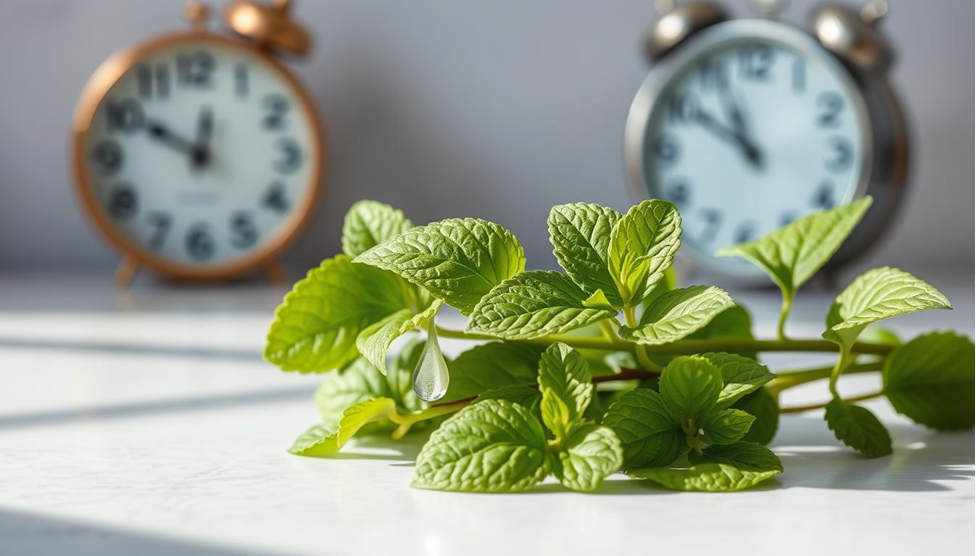
Does Stevia Break a Fast? Fasting Facts Revealed
Key Takeaways
- The impact of a sweetener on an intermittent fast depends on factors like blood glucose/insulin response, digestive system activation, and autophagy triggering.
- Calories are not the only consideration when determining if a sweetener breaks a fast - other metabolic factors are important.
- Stevia, a zero-calorie sweetener, may be acceptable for use during fasting due to its minimal impact on blood sugar and insulin levels.
- Artificial sweeteners like Saccharin, Sucralose, and Aspartame may be best avoided during fasting periods.
- Moderation is key when using any sweetener, even zero-calorie options, to ensure the benefits of fasting are not compromised.
What is Stevia?
Stevia's Natural Sweetness and Calorie Content
Stevia is a zero-calorie sweetener made from glycosides. These compounds are up to 300 times sweeter than sugar. Just one teaspoon of stevia has almost no carbs, fat, sodium, calories, sugars, or proteins.
Stevia is now in over 5,000 products worldwide. It's in ice creams, desserts, sauces, yogurt, and even seafood. Its zero-calorie nature makes it great for weight management or blood sugar control.
|---------------|----------------------------------------| | Nutrient | Amount per Teaspoon (5g) of Stevia | | Calories | 0 | | Carbohydrates | 1g | | Fat | 0g | | Sodium | 0mg | | Sugars | 0g | | Proteins | 0g |
Stevia is more than just sweet. It might help control blood sugar by boosting insulin and keeping blood sugar stable. But, it's key to pick pure stevia and use it in small amounts.
""Stevia is a healthier alternative to artificial sweeteners, making it a suitable choice during fasting.""
Intermittent Fasting: An Overview
Intermittent fasting is a diet trend that's become very popular. It involves alternating between fasting and eating. This method has been around for a long time and can help with weight loss and living longer.
There are many types of intermittent fasting, each with its own rules. Some common ones include:
- The 12-hour daily fast: Eating only within a 12-hour window each day.
- The 16-hour fasting plan: Fasting for 16 hours and eating in an 8-hour window.
- The 2-day per week fasting plan: Fasting for two days a week.
- Alternate day fasting: Fasting every other day.
- Full-day fasts: Not eating for 24 hours or more.
- The Warrior Diet: Eating one big meal at night and fasting the rest of the time.
Even though the benefits of intermittent fasting vary, they all focus on timing. By fasting at the right times, people can see health improvements. These include better metabolism and longer life.
""Intermittent fasting is not about restricting calories, but rather about restricting the window of time in which you consume those calories.""
Does Stevia Break a Fast?
Many people wonder if stevia breaks a fast. Stevia is a natural sweetener with no calories. It comes from the Stevia rebaudiana plant. But, using stevia during a fast is not as simple as it seems.
Stevia's sweet taste can make you hungry. This can make it tough to follow your fasting plan. Also, some stevia products have added sugars or sugar alcohols. These can raise insulin levels and mess with your fast.
- Stevia is a zero-calorie sweetener, so it doesn't provide any calories or macronutrients that would technically break a fast.
- However, the sweet taste can stimulate appetite and cravings, making it harder to maintain the fasting state.
- Some stevia products contain added sugars or sugar alcohols, which can affect insulin levels and potentially disrupt the fast.
To get the most out of fasting, it's best to avoid all sweeteners, including stevia. Stick to water, unsweetened tea, or black coffee. This helps keep your metabolism in the right state and boosts fasting benefits like autophagy and fat burning.
""Stevia in moderation, consumed during fasting, is unlikely to interrupt the benefits of fasting or ketosis.""
Even though stevia is not recommended during fasting, a little bit now and then is unlikely to harm your fast. Just remember to use it sparingly and mindfully. This way, you can enjoy its sweetness without ruining your fasting goals.
Stevia and Metabolic Health/Weight Loss
Stevia is a natural sweetener with zero calories. It comes from the stevia plant. Research shows it might help with metabolic health and weight loss. It could be good for those who want to satisfy sweet cravings during fasting.
Stevia might also help keep blood sugar and insulin levels in check. This is without stopping ketosis or fat burning.
A review found that stevia and monk fruit can help with blood sugar and insulin. A study on type 2 diabetes patients showed a big drop in blood sugar after eating. This shows stevia's potential in managing blood sugar.
But, not all studies agree. Some found no big effect on blood sugar, insulin, or weight. Still, most evidence says stevia doesn't harm insulin sensitivity or ketosis during fasting.
Stevia is calorie-free, making it good for weight management. It can satisfy sweet cravings without adding calories. This might help with weight loss and metabolic health during fasting or calorie restriction.
""Stevia has been shown to improve glycemic control and insulin sensitivity, making it a potential ally in supporting metabolic health and weight loss during fasting periods.""
Keep in mind, everyone reacts differently to stevia. Some might feel a bit sick to their stomach. Always talk to a doctor before adding stevia to your diet, especially if you're fasting or trying to lose weight.
Stevia and Gut Rest
Stevia is a great choice for gut health and fasting. It's a natural sweetener from the stevia plant with no calories. It's not digested in the gut but is broken down by gut bacteria. This makes stevia a good choice for fasting, as it doesn't upset the digestive system.
Impact on Gut Health During Fasting
Other sweeteners can upset the digestive system, even if they have few calories. But stevia is different. It doesn't trigger a response in the gut. This helps the digestive system rest, which is key during fasting.
Research is ongoing on stevia's effect on gut bacteria. Some studies suggest it can help beneficial bacteria grow. This is important for keeping the gut healthy and balanced.
Using stevia as a sweetener during fasting can be beneficial for your gut health. It supports the fasting process and helps your gut stay healthy. Knowing how stevia affects digestion can help you make the most of your fasting experience.
Stevia and Longevity/Autophagy
Stevia could be a good choice for fasting to boost longevity and trigger autophagy. Autophagy is key for living longer. Stevia is calorie-free and doesn't have protein, so it likely won't affect autophagy.
Some sweeteners, like those with amino acids, can stop autophagy. This is bad for those fasting to live longer. But stevia doesn't seem to get in the way of autophagy. So, it's good for those fasting to live longer.
Research shows stevia can help with fasting's health benefits. It can improve blood sugar control and insulin sensitivity. These are good for health and living longer. This makes stevia a great choice for fasting to improve health.
|---------------|-----------------------|---------------------------| | Sweetener | Calories Per Gram | Impact on Autophagy | | Stevia | 0 | Minimal to no impact | | Erythritol | 0.24 | Minimal impact | | Sucralose | 0 | Potential negative impact |
In short, stevia is a good sweetener for fasting to live longer and trigger autophagy. It's calorie-free and protein-free. This means it won't mess with the important processes for living longer.
""Stevia's impact on autophagy and longevity makes it a useful tool for those focused on fasting for health and lifespan extension.""
Artificial Sweeteners: A Comparison
Stevia is a natural, zero-calorie sweetener. But, there are also artificial sweeteners like saccharin, aspartame, and sucralose. These can affect fasting differently. For example, erythritol has few calories and doesn't mess with insulin or ketosis, making it good for fasting.
On the other hand, xylitol can slightly raise insulin levels, which might stop fat burning. Sugar alcohols can also wake up the digestive system, breaking a fast. It's key to check how each sweetener affects fasting goals.
Other Sweeteners and Their Effects on Fasting
Nutritive sweeteners, like table sugar and honey, have calories and give energy. Sugar alcohols, like sorbitol and xylitol, have fewer calories, with erythritol having almost none.
Non-nutritive sweeteners, like sucralose and stevia, have almost no calories. Let's look at how some artificial sweeteners might affect fasting:
- Sucralose (Splenda): It's calorie-free but might affect glucose and autophagy.
- Saccharin (Sweet 'N Low): It's zero-calorie and doesn't raise blood sugar or insulin. It's okay for fasting for weight loss but might cause hunger or digestive issues.
- Aspartame (Equal): It's calorie-free but might harm the gut and lower insulin resistance. The World Health Organization has listed it as a possible carcinogen since July 2023.
It's crucial to think about how each sweetener affects fasting goals, whether for weight loss, metabolic health, or longevity.
Natural Sweeteners and Fasting
Stevia is a favorite natural sweetener for fasting. But, honey, maple syrup, and monk fruit are also good choices. Yet, it's crucial to remember that these sweeteners have calories and carbs. They can break a fast, depending on your fasting goals.
Honey and fasting is a common topic. Honey has about 17 grams of carbs per tablespoon. It's good in small amounts during fasting to avoid raising blood sugar.
Maple syrup and fasting is another area to consider. Like honey, maple syrup has carbs and calories. Using it during fasting might affect fasting benefits like autophagy or gut rest.
Monk fruit is very sweet, 150-200 times sweeter than sugar. The FDA approved it in 2010. It has no calories or carbs, making it good for fasting focused on metabolic health and weight loss.
|---------------|---------------------------------|--------------------------------------|--------------------------------------------| | Sweetener | Sweetness Compared to Sugar | Calorie and Carbohydrate Content | Potential Impact on Fasting | | Stevia | 200-400 times sweeter | No calories or carbohydrates | Does not break a fast | | Honey | 1.5 times sweeter | 17 g carbs, 64 calories per tbsp | May break a fast due to carbs and calories | | Maple Syrup | 1.1 times sweeter | 13 g carbs, 52 calories per tbsp | May break a fast due to carbs and calories | | Monk Fruit | 150-200 times sweeter | No calories or carbohydrates | Does not break a fast |
The impact of natural sweeteners on fasting depends on your fasting goals. For fasts aimed at metabolic health and weight loss, stevia and monk fruit are better. But, always use them in moderation in your fasting regimen.
Tips for Incorporating Stevia During Fasting
Stevia might not break a fast, but use it in small amounts. A little stevia in coffee or tea is okay. But too much or using it often could make you hungry or affect digestion.
Be careful with stevia during fasting. Watch how your body reacts. If stevia messes with your fast's benefits, adjust your use.
Moderation and Mindfulness
Use stevia during fasts with care. Start with a small amount and see how you feel. If it's not good, cut back or stop using it.
The aim is to enjoy a bit of sweetness without losing fast benefits. With moderation and mindfulness, you can find the perfect balance for you.
|--------------------------------|----------------------------------------------------------------| | Stevia Dosage During Fasts | Impact on Fasting | | Small pinch or sprinkle | Unlikely to have a significant impact | | Larger amounts or frequent use | May stimulate hunger, insulin secretion, or digestive activity |
""Moderation and self-awareness are key when incorporating any sweetener, even a zero-calorie one like stevia, into a fasting regimen.""
Conclusion
Stevia is a zero-calorie sweetener that doesn't break a fast. But, it might not be the best choice for everyone. Its sweet taste can make you hungry and crave more, making fasting harder.
Some stevia products have sugars or sugar alcohols. These can raise insulin levels and mess with your fast. It's best to avoid all sweeteners, including stevia, for the best fasting results.
Instead, drink water, unsweetened tea, or black coffee during a fast. A small amount of stevia might be okay for some people. But, it should be used carefully and not ruin the fast's benefits.
Listening to your body is key when using stevia and fasting. Find what works for you and your fasting goals. Using stevia with care can help you get the most out of both.
FAQ
Does stevia break a fast?
Stevia's effect on fasting depends on the type of sweetener. Stevia has no calories and doesn't raise blood sugar or insulin levels. But, it might make you hungry and crave more food, making fasting harder.
Can I use stevia during intermittent fasting?
Stevia has no calories, but it's best to avoid all sweeteners during fasting. Stick to water, unsweetened tea, or black coffee. A little stevia might be okay for some, but use it carefully to not ruin the fast's benefits.
How does stevia affect autophagy and longevity during fasting?
Stevia has no calories or protein, so it won't affect autophagy or longevity. It's safe to use stevia if you're fasting to boost longevity and autophagy.
What are the effects of other sweeteners on fasting?
Different sweeteners affect fasting differently. Erythritol has few calories and doesn't mess with insulin or ketosis, making it good for fasting. But, xylitol might raise insulin levels, and sugar alcohols can wake up the digestive system, breaking a fast.
Can I use natural sweeteners like honey or maple syrup during a fast?
Honey, maple syrup, and monk fruit have calories and carbs, so they can break a fast. Their impact depends on your fasting goals. They might be better for metabolic health and weight loss fasts, but not for autophagy or gut rest.
How can I use stevia effectively during a fast?
A small amount of stevia in coffee or tea is unlikely to affect fasting much. But, too much or using it often might make you hungry or raise insulin levels. Be careful and adjust your stevia use based on how your body reacts.
Source Links
- Does Stevia Break a Fast? - https://dofasting.com/blog/does-stevia-break-fast/
- Which Sweeteners Break Your Fast? - Zero Longevity - https://zerolongevity.com/blog/which-sweeteners-break-your-fast/
- Can I Use Stevia While Fasting? Let's Show You How to Sweeten a Fast - https://betterme.world/articles/can-i-use-stevia-while-fasting/
- Does Stevia Break a Fast? Sweetener Benefits & Side Effects - https://www.medicinenet.com/does_stevia_break_a_fast/article.htm
- Does Stevia Break a Fast? - https://www.healthline.com/nutrition/does-stevia-break-a-fast
- Does stevia break a fast? - https://january.ai/blog/does-stevia-break-a-fast
- Can You Take Stevia While Fasting? Does Stevia Break a Fast? - https://fastic.com/en/blog/can-you-take-stevia-while-fasting
- Does Stevia Break a Fast → Discover Can I Use Stevia or Other Sweeteners While Fasting | Lasta -https://lasta.app/does-stevia-break-a-fast/
- Autophagy in practice: stevia and leucine - https://www.ncbi.nlm.nih.gov/pmc/articles/PMC6844516/
- Does Stevia Break a Fast? - https://www.drinkhydrant.com/blogs/news/does-stevia-break-a-fast?srsltid=AfmBOoq-ndx9q8_-0DwRg4TkSJO5n-hC3fCFUVZTKiiaCUN-qlz4NPX3
- Does stevia break a fast? Explained by Simple - https://simple.life/blog/does-stevia-break-a-fast/
- Does Stevia Break a Fast? (Plus, Other Sweeteners) - https://22daysnutrition.com/blogs/blog/does-stevia-break-a-fast?srsltid=AfmBOopU9RCSPQlP5l5ZIfRyLRxz4AHNy8miySTNqtxsmXzPd4OPioFV
- Does Stevia Break a Fast? (Plus, Other Sweeteners) - https://22daysnutrition.com/blogs/blog/does-stevia-break-a-fast?srsltid=AfmBOooUs0iwfu6EB2xZheDdX0YmXgmU7F-ppJ_Wcgg0cpOhcaXLu5S8
- The Effects of Stevia Consumption on Gut Bacteria: Friend or Foe? - https://www.ncbi.nlm.nih.gov/pmc/articles/PMC9028423/
- Effects of the Daily Consumption of Stevia on Glucose Homeostasis, Body Weight, and Energy Intake: A Randomised Open-Label 12-Week Trial in Healthy Adults - https://www.ncbi.nlm.nih.gov/pmc/articles/PMC7600789/
- Does Stevia Break a Fast? (Plus, Other Sweeteners) - https://22daysnutrition.com/blogs/blog/does-stevia-break-a-fast?srsltid=AfmBOopbjD1_hf5qFeO1HBDmVDPYvXrZs8JhR4aB6Hnl3S71dQqpQjg8
- What breaks a fast and what doesn't? A science-backed guide - https://science.drinklmnt.com/fasting/what-breaks-a-fast/
- Stevia And Intermittent Fasting: Can You Soothe Your Sweet Tooth While Maintaining Your Fast? - https://betterme.world/articles/stevia-and-intermittent-fasting/
- Do Artificial Sweeteners Break A Fast? - Kompanion - https://kompanionapp.com/en/artificial-sweeteners-and-intermittent-fasting/
- Does Splenda Break a Fast? Sucralose While Fasting | Dr. Berg - https://www.drberg.com/blog/does-splenda-break-fast?srsltid=AfmBOooKDp-pxoXp6WU5KPKvTCGNP53fyfHskse7MV5GP_qho0OV1y5V
- Which Sweeteners Can Break Your Fast? Find Out Here. -- Fitness Volt - https://fitnessvolt.com/sweeteners-break-fast/
- Does Stevia Break Your Fast During Intermittent Fasting? - https://primehealth.one/blog/fasting-and-stevia/
- From Water to Coffee: Decoding the Best and Worst Drinks for Your Fasting - https://www.journee-mondiale.com/en/the-fasting-beverage-guide-navigating-the-dos-and-donts-of-drinks-during-intermittent-fasting/
- Guide to Intermittent Fasting - The Southern Source - https://thesouthernsource.com/2020/01/21/guide-to-intermittent-fasting/
- Does Stevia Break a Fast? - Welltech - https://welltech.com/content/does-stevia-break-a-fast/
- Sweeteners in Cofffee & Intermittent Fasting? We Ran the Tests! - https://drbeckyfitness.com/sweeteners-in-coffee-intermittent-fasting-we-ran-the-tests/