
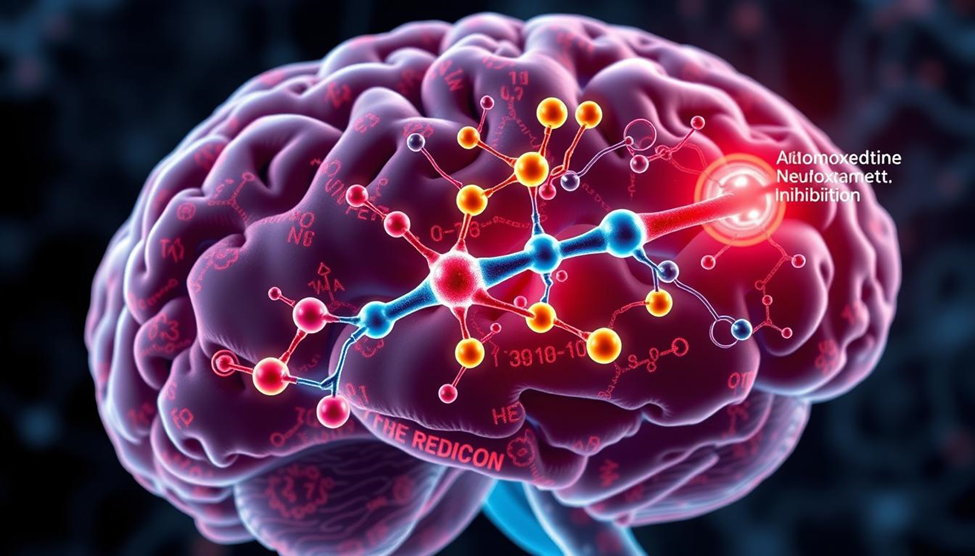
Explaining the Mechanism of Atomoxetine
Atomoxetine is a special drug used to treat ADHD. It works by increasing norepinephrine in the brain. This helps improve focus and reduces impulsiveness and hyperactivity.
Understanding how atomoxetine works is key to its success. It's important to know how it differs from other treatments. This knowledge helps in treating ADHD effectively.
The way atomoxetine affects the brain is complex. It also influences dopamine, which affects motivation and impulsivity in ADHD patients. Learning about its effects helps us understand its benefits and possible side effects. This is crucial for its use in treating ADHD.
Key Takeaways
- Atomoxetine is a selective norepinephrine reuptake inhibitor used to treat ADHD.
- The mechanism of action of atomoxetine involves increasing norepinephrine levels in the brain.
- Understanding how atomoxetine works is essential for its effective use and a key aspect of atomoxetine pharmacology .
- Atomoxetine is beneficial for those with substance abuse history or who can't take stimulants.
- It works by blocking the norepinephrine transporter in the brain, a key part of its action.
- Atomoxetine is metabolized in the liver by the CYP2D6 enzyme, a key part of its pharmacology.
What Is Atomoxetine?
Atomoxetine is a drug for treating ADHD in kids and adults. It boosts norepinephrine in the brain. This helps with focus, less impulsiveness, and less hyperactivity. Knowing about atomoxetine interactions , atomoxetine side effects , and atomoxetine dosage is key.
Common atomoxetine side effects include headaches, stomach pain, and less hunger. It's not likely to be abused and isn't a controlled substance in the US. It can take a week or more to start working.
Following the atomoxetine dosage is important to avoid side effects and ensure it works well. It's vital to watch for mood and behavior changes, mainly in teens. Knowing the pros and cons of atomoxetine helps those with ADHD make better treatment choices. They can work with their doctors to find the best therapy.
|----------------|---------------------------------------------------------------------------------------|-------------------------------------------------------------------------------------------| | Medication | Effectiveness | Potential Side Effects | | Atomoxetine | Significantly effective in treating ADHD | Headache, abdominal pain, decreased appetite |
The Brain's Neurotransmitter System
The brain's neurotransmitter system is key for focus and attention. Atomoxetine ADHD treatment affects this system. Neurotransmitters like dopamine and norepinephrine help control attention and impulses. Studies show ADHD affects 2% to 18% of children worldwide, making treatments like atomoxetine crucial.
Atomoxetine works by blocking the reabsorption of norepinephrine. This boosts norepinephrine levels, improving focus and attention. It does this by binding well to norepinephrine transporters but not serotonin or dopamine ones. Studies show it helps reduce ADHD symptoms in children, even with other conditions.
Understanding Neurotransmitters
Neurotransmitters are chemicals that help neurons talk to each other. Atomoxetine neurotransmitters like dopamine and norepinephrine are vital for focus. ADHD affects 5.6% to 8.4% of Chinese kids and teens, showing how important neurotransmitters are in ADHD treatment.
Dopamine and Norepinephrine Roles
Dopamine and norepinephrine have different roles in focus and attention. Atomoxetine therapeutic effects come from changing these neurotransmitters. Studies found atomoxetine increases reactive oxygen species in cells after 7 days, showing its effect on neurotransmitters.
|----------------------|--------------------------------------------| | Neurotransmitter | Role in Attention and Focus | | Dopamine | Regulates motivation and reward processing | | Norepinephrine | Modulates attention and impulse control |
How Atomoxetine Affects Norepinephrine
Atomoxetine works by stopping the reuptake of norepinephrine. This makes more norepinephrine available in the brain. It's different because it doesn't change serotonin or dopamine levels. It's very good at targeting norepinephrine, with a Ki value of 5 nM.
Atomoxetine doesn't interact much with other neurotransmitters. This lowers the chance of bad side effects. Studies have shown how it affects norepinephrine levels. Knowing this helps us see its benefits and limits for ADHD treatment.
Mechanism of Action
Atomoxetine blocks norepinephrine reuptake. This makes more norepinephrine available in the brain. This boost can help with attention and focus, easing ADHD symptoms.
Selective Norepinephrine Reuptake Inhibition
Atomoxetine's selective action on norepinephrine is key. It targets ADHD treatment effectively. By focusing on norepinephrine, it improves attention and focus.
Side Effects of Atomoxetine
Atomoxetine is used to treat Attention Deficit Hyperactivity Disorder (ADHD). It can cause side effects, like nausea, vomiting, and tiredness. These effects are usually mild but can be severe in some cases. Always talk to a doctor about atomoxetine dosage and possible side effects before starting treatment.
Watch out for severe reactions, such as allergic reactions and liver problems. Regular blood tests and monitoring for symptoms like weak appetite or jaundice are key to avoid liver damage. Also, atomoxetine interactions with other drugs can increase side effects, so tell your doctor about all medications.
To handle side effects, stick to the atomoxetine dosage and keep up with doctor's appointments. It's important to watch behavior, mainly in kids and teens, at the start of treatment and during any changes. Knowing the side effects and how to manage them can help reduce risks and make the most of atomoxetine's benefits.
|-------------------------------|------------------------------------------| | Common Side Effects | Severe Reactions | | Nausea, vomiting, tiredness | Allergic reactions, liver problems | | Decreased appetite, dizziness | Increased risk of heart attack or stroke |
The Benefits of Atomoxetine
Atomoxetine is a non-stimulant drug that helps people with attention deficit hyperactivity disorder (ADHD). It works well without the risks of abuse seen with stimulants. It also lasts longer, often up to 24 hours, unlike stimulants that need more doses.
The benefits of atomoxetine include:
- Lower potential for abuse and dependence
- Long-term success stories, with some patients experiencing significant improvements in their symptoms
- Feedback from patients and parents, who have reported positive experiences with the medication
Studies show atomoxetine can help with ADHD, leading to big improvements for some. It also has effects that help with depression, making it good for those with both ADHD and depression.
Overall, atomoxetine is a great choice for ADHD treatment. It's effective, lasts long, and has fewer risks of misuse. People have shared positive experiences, showing its value in managing ADHD symptoms.
Dosage and Administration
Following the right atomoxetine administration guidelines is key for safe and effective treatment. Children start with 0.5 mg/kg, while adults begin with 40 mg. It's important to remember that atomoxetine pharmacology affects the dosage. This is because certain drugs can raise atomoxetine levels.
Consistency in atomoxetine administration is crucial. Patients should take their dose at the same time each day. Any changes should be made with a doctor's advice. Also, be aware of drug interactions, like those that can cause heart problems.
Here are some important points about atomoxetine dosage and administration:
- Starting dosage for children: 0.5 mg/kg
- Starting dosage for adults: 40 mg
- Maximum recommended daily dose: 100 mg for adults, 70 mg for children and adolescents
By following these guidelines and being aware of interactions, patients can safely use atomoxetine . It's also vital to remember that atomoxetine pharmacology is complex. Patients should work closely with their healthcare provider to find the best treatment.
Atomoxetine and Age Factors
Atomoxetine is used in different age groups, including children, adults, and the elderly. Each group has its own safety concerns. For atomoxetine pediatric use , the child's age and weight are key to finding the right dose. The FDA says Strattera (atomoxetine) works for kids aged 6-12, teens, and adults.
It takes four to eight weeks for atomoxetine to work best.
For atomoxetine adult ADHD , it's effective in managing symptoms. But, atomoxetine elderly safety is a big concern. Older adults might face more side effects. It's important to think about age, sex, and other health issues when treating.
Good treatment depends on sticking to the plan.
Side effects in kids and adults can differ. It's vital to watch for them to keep atomoxetine safe. Knowing the special needs of each age group helps doctors make better choices for atomoxetine pediatric use , atomoxetine adult ADHD treatment, and atomoxetine elderly safety .
Comparing Atomoxetine to Stimulants
When looking at ADHD treatments, it's key to compare atomoxetine and stimulants. Atomoxetine, a non-stimulant, helps reduce ADHD symptoms in about 50% of children. On the other hand, stimulants are more effective, working for 70-85% of people.
Atomoxetine and stimulants work differently. Atomoxetine boosts norepinephrine levels. Stimulants, though, increase both dopamine and norepinephrine. This difference can affect side effects and addiction risk. Atomoxetine has a lower risk of abuse, but stimulants carry a higher risk.
Choosing atomoxetine depends on each patient's needs. Younger patients usually take 40.1 ± 11.4 mg daily, while teens take 61.2 ± 20.6 mg. Tailoring treatment can make atomoxetine more effective and reduce side effects.
The table below highlights the main differences between atomoxetine and stimulants:
|----------------|-------------------------------------------------------------------------------------|--------------------------------------------------------------------------------------------------------------------------------------------|-------------------------------------------------------------------------------------------------------------------------| | Medication | Effectiveness Rate | Mechanism of Action | Potential for Abuse | | Atomoxetine | 50% | Increases norepinephrine levels | Lower potential for abuse | | Stimulants | 70-85% | Increases dopamine and norepinephrine levels | Higher risk of addiction |
The right choice between atomoxetine and stimulants varies by patient. Healthcare providers should weigh each option's benefits and drawbacks. This helps patients make informed decisions and achieve better results.
Research and Studies on Atomoxetine
Atomoxetine has been studied a lot in atomoxetine research and atomoxetine clinical trials . These studies aimed to see how well it works and if it's safe for ADHD treatment. The findings show that atomoxetine helps reduce ADHD symptoms in kids and adults.
For kids with ADHD, atomoxetine's effect sizes range from 0.6 to 1.3.
Studies have shown that atomoxetine really helps ADHD symptoms in kids and teens. It also shows a strong connection to norepinephrine transporters, which is good.
A study by Cortese et al. (2012) found ADHD patients have less activity in the PFC compared to others. They also found that atomoxetine makes the PFC more active.
Here's a quick summary of some key findings from atomoxetine studies:
|---------------------------------|-------------------------------|-----------------------------------------------------| | Study | Population | Findings | | Cortese et al. (2012) | Adults with ADHD | Reduced lateral PFC activity | | Atomoxetine clinical trials | Children and adults with ADHD | Clinically significant improvement in ADHD symptoms |
In summary, atomoxetine research and atomoxetine clinical trials show it's effective and safe for ADHD treatment.
Atomoxetine's Place in ADHD Treatment
Atomoxetine is a non-stimulant drug used in ADHD treatment. It's a key part of treatment plans. It works well with other treatments like therapy and education to help manage ADHD. Studies show it reduces ADHD symptoms effectively.
Atomoxetine can also be used with other therapies. This includes cognitive-behavioral therapy and family therapy. These therapies help patients learn to cope with their ADHD symptoms. The cost of treatment varies, with a monthly dose costing about $90.
It's important to keep track of how well treatment is working. This means watching symptoms, adjusting doses, and changing the plan if needed. With atomoxetine and a comprehensive plan, patients can see big improvements in their ADHD symptoms and life quality.
|-------------------------|-----------------------------------------------------| | Treatment Plan | Components | | Comprehensive Care | Medication, Behavioral Therapy, Educational Support | | Complementary Therapies | Cognitive-Behavioral Therapy, Family Therapy |
Future Perspectives on Atomoxetine
Researchers are looking into new ways to treat ADHD. They are interested in making atomoxetine more effective and easier to take. This includes extended-release versions, transdermal patches, and even intranasal sprays.
Technology is also playing a big role in managing ADHD. Digital health tools like smartphone apps and wearable devices are being explored. They could help track symptoms and improve treatment plans.
As research advances, healthcare teams and policymakers must work together. They need to make sure new treatments are available and part of a complete care plan. This way, doctors can offer the latest and best treatments to their patients. It will help improve the lives of those with ADHD.
FAQ
What is atomoxetine and how does it work?
Atomoxetine is a drug used to treat ADHD. It works by blocking the brain's reuptake of norepinephrine. This helps improve focus, concentration, and impulse control in people with ADHD.
How does atomoxetine differ from stimulant medications for ADHD?
Atomoxetine is different from stimulants like amphetamines and methylphenidate. It doesn't increase dopamine and norepinephrine levels directly. Instead, it blocks the reuptake of norepinephrine, leading to better ADHD symptoms over time.
What are the common side effects of atomoxetine?
Common side effects include decreased appetite, nausea, vomiting, fatigue, and dizziness. Though rare, severe side effects like liver damage or suicidal thoughts need to be watched for by doctors.
How is the dosage of atomoxetine determined and adjusted?
Dosage starts based on age and weight. It may increase over time to find the best effect. Always follow the doctor's dosage and instructions for safety and effectiveness.
Can atomoxetine be used to treat ADHD in both children and adults?
Yes, atomoxetine can treat ADHD in both kids and adults. But, there are age-specific considerations and safety concerns to discuss with a doctor.
How does atomoxetine compare to stimulant medications in the treatment of ADHD?
Atomoxetine is an alternative to stimulants like amphetamines and methylphenidate. It's non-stimulant and may have a lower risk of abuse or addiction. The choice depends on individual response, medical history, and personal preference.
What are the long-term effects of using atomoxetine for ADHD?
Studies show atomoxetine can improve ADHD symptoms for a long time. It's important to watch for long-term side effects and work closely with a doctor to ensure it remains safe and effective.
Source Links
- Understanding the Mechanism of Action of Atomoxetine - https://cabinethealth.com/blogs/journal/understanding-the-mechanism-of-action-of-atomoxetine?srsltid=AfmBOopUAMMaN_toBLJmQuvXYZApjfQcKRNWUDhe3h-FcjPUKM9Av5XT
- What is the mechanism of Atomoxetine Hydrochloride? - https://synapse.patsnap.com/article/what-is-the-mechanism-of-atomoxetine-hydrochloride
- Atomoxetine Capsules - https://my.clevelandclinic.org/health/drugs/20224-atomoxetine-capsules
- Atomoxetine: a review of its use in attention-deficit hyperactivity disorder in children and adolescents - PubMed - https://pubmed.ncbi.nlm.nih.gov/19445548/
- The Mechanism, Clinical Efficacy, Safety, and Dosage Regimen of Atomoxetine for ADHD Therapy in Children: A Narrative Review - https://pmc.ncbi.nlm.nih.gov/articles/PMC8863678/
- Atomoxetine produces oxidative stress and alters mitochondrial function in human neuron-like cells - Scientific Reports - https://www.nature.com/articles/s41598-019-49609-9
- Atomoxetine Increases Extracellular Levels of Norepinephrine and Dopamine in Prefrontal Cortex of Rat: A Potential Mechanism for Efficacy in Attention Deficit/Hyperactivity Disorder - Neuropsychopharmacology - https://www.nature.com/articles/1395936
- Atomoxetine (Strattera): Uses, Side Effects, Interactions, Pictures, Warnings & Dosing - WebMD - https://www.webmd.com/drugs/2/drug-64629/strattera-oral/details
- Atomoxetine: MedlinePlus Drug Information - https://medlineplus.gov/druginfo/meds/a603013.html
- The Pros and Cons of Strattera---A Nonstimulant medication for ADHD - https://www.buzzrx.com/blog/the-pros-and-cons-of-strattera-a-nonstimulant-medication-for-adhd
- Atomoxetine: a novel treatment for child and adult ADHD - https://pmc.ncbi.nlm.nih.gov/articles/PMC2671957/
- Atomoxetine | Noradrenaline Reuptake Inhibitor Use - https://www.youngminds.org.uk/young-person/medications/atomoxetine/
- Atomoxetine for ADHD - https://www.aafp.org/pubs/afp/issues/2003/1101/p1827.html
- Strattera - https://reference.medscape.com/drug/strattera-atomoxetine-342994
- Atomoxetine - https://en.wikipedia.org/wiki/Atomoxetine
- Strattera - https://www.additudemag.com/medication/strattera/
- Factors affecting treatment adherence to atomoxetine in ADHD: a systematic review - https://pmc.ncbi.nlm.nih.gov/articles/PMC4862343/
- What Are Nonstimulant Medications for ADHD? - Child Mind Institute - https://childmind.org/article/what-are-nonstimulant-medications-for-adhd/
- Atomoxetine vs Stimulants: Which Is Better For ADHD Treatment? - Medico Pharmacy - https://medicopharmacyrx.com/atomoxetine-vs-stimulants-which-is-better-for-adhd-treatment/
- Effectiveness and Tolerability of Atomoxetine in a Real-World ADHD Population: Nonrandomized Comparison with Stimulants - https://pmc.ncbi.nlm.nih.gov/articles/PMC2861514/
- A review of the efficacy of atomoxetine in the treatment of attention-deficit hyperactivity disorder in children and adult patients with common comorbidities - https://pmc.ncbi.nlm.nih.gov/articles/PMC5304987/
- Frontiers | Influence of Atomoxetine on Relationship Between ADHD Symptoms and Prefrontal Cortex Activity During Task Execution in Adult Patients - https://www.frontiersin.org/journals/human-neuroscience/articles/10.3389/fnhum.2021.755025/full
- Understanding the Mechanism of Action of Atomoxetine - https://cabinethealth.com/blogs/journal/understanding-the-mechanism-of-action-of-atomoxetine?srsltid=AfmBOoowcuUOur_DSQSwePkdeB9puJF4ygG0zwAnVC-R4XaOMvieOJt1
- An Atomoxetine Tutorial - PMC - https://pmc.ncbi.nlm.nih.gov/articles/PMC2880947/
- A Double-Blind, Placebo-Controlled Study of Atomoxetine in Young Children With ADHD - https://pmc.ncbi.nlm.nih.gov/articles/PMC3387889/ "