
French Salt Benefits: Ancient Wisdom for Health
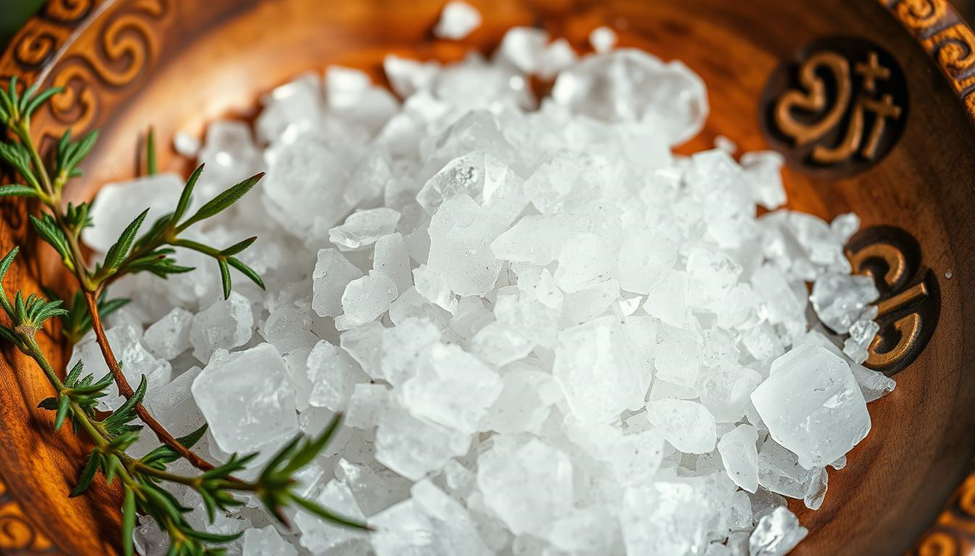
French salt, also known as ""sel gris"" or gray salt, is a mineral-rich sea salt. It has been valued for its unique flavor and health benefits for centuries. Harvested from the pristine coastal regions near northwestern France, it retains essential minerals like magnesium, calcium, and potassium.
Unlike table salt, French salt has a larger grain size and natural moisture. This makes it a favorite among health-conscious consumers and chefs. It's a natural choice for those looking for a healthier seasoning option.
The average American eats about 3,400 milligrams of sodium daily. Some eat up to 5,000 mg<>. Yet, 72% to 97% of Americans take in too much sodium<>. This can raise blood pressure, increasing the risk of heart disease and stroke.
French salt, with about 40% sodium<>, offers a healthier option. It has a more balanced mineral profile than table salt. This could be a better choice for your health.
Key Takeaways
- French salt is a mineral-rich, unrefined sea salt with a larger grain size and natural moisture content.
- It contains a balanced blend of essential minerals, including magnesium, calcium, and potassium, unlike highly processed table salt.
- Excessive sodium consumption from processed foods and restaurant meals is a common contributor to poor health outcomes in the U.S.
- French salt may provide a healthier alternative to table salt, with a more balanced mineral profile and potential benefits for overall wellness.
- Incorporating French salt into your diet can be a simple and delicious way to support your health and well-being.
Understanding French Salt: Origins and Traditional Harvesting
French salt has a long history, dating back centuries. It's a unique sea salt loved by chefs and health fans<>. It comes from Brittany, France, and is made using old, green methods<>.
The Ancient Art of Salt Making
Making French salt is a labor of love, tied to French traditions<>. It's gathered by hand from tidal pools. Then, it's put into clay-lined salt marshes called ""oeillets.""
Here, the sun and wind dry it, creating its gray crystals<>. This careful method keeps the salt full of minerals like magnesium and potassium<>.
Modern Harvesting Techniques
Even though old methods are kept, new ones have been added for better quality<>. Today, French salt is still hand-harvested but with better care<>. It's dried and processed to keep its minerals, making it tasty and healthy<>.
Geographic Sources of French Salt
French salt mainly comes from France and Portugal's coasts<>. The salt is gathered from tidal pools and marshes. This keeps its natural minerals and marine essence<>.
French salt is becoming more popular, and it's easier to find<>. You can buy it in stores, online, or in specialty shops<>. This makes it easier for more people to enjoy its health benefits and unique taste<>.
What Makes French Salt Unique: Physical Properties and Characteristics
French salt is a mineral-rich seasoning known for its special features. It doesn't have anti-caking agents like regular table salt. This means it keeps a coarse texture and a bit of moisture<>.
Its grayish color comes from the natural minerals and elements in the salt's environment<>.
The moisture in French salt helps it not clump together<>. Its coarse texture adds a nice crunch to dishes. This makes it perfect for adding a unique flavor at the end of cooking<>.
The minerals in French salt also give it a special taste. This taste enhances the flavors of many dishes.
""French sea salt is solar-evaporated ocean water that contains calcium, copper, zinc, iron, potassium, active enzymes, and ancient decomposed ocean flora and fauna.""<>
Sea salts, like French salt, don't have less sodium than table salt. But they might seem less salty because they're less dense<>. The American Heart Association warns about too much salt. It can cause water retention, bloating, and weight gain<>.
In short, French salt's unique texture, moisture, and minerals make it stand out. These qualities give it a distinct taste and health benefits. It's a favorite among those who care about their health<><>.
French Salt Benefits: Natural Healing Properties
French salt is an ancient, mineral-rich seasoning with many health benefits. It has over 60 essential<> minerals and trace elements. This makes it like a natural multivitamin.
The minerals in French salt are important for our health. They include magnesium for muscles, potassium for the heart, and calcium for bones<>.
Mineral-Rich Composition
French salt is different from table salt because it keeps its natural minerals. This makes it a healthier choice<>. Its unique minerals come from traditional harvesting and sun-drying, unlike Fleur de Sel<>.
Electrolyte Balance Support
French salt helps keep the body's fluids balanced and nerves working right. It has essential electrolytes like sodium, potassium, and magnesium. These help keep hydration levels right and support overall health<>.
Digestive Health Enhancement
This seasoning also boosts digestive health. French salt helps make saliva and stomach juices, aiding digestion. It may reduce bloating and improve nutrient absorption<>.
""French sea salt is praised for being sustainable, organic, free from harmful additives or chemicals, hand-harvested, sun-dried, and sourced from the pristine waters of the French Sea.""<>
French salt is a great choice for those looking for a healthier salt option. It's rich in iodine and minerals. Adding it to your cooking can give your body essential nutrients and support your health.
Comparing French Salt to Other Salt Varieties
There's more to salts than just table salt. French salt , an unrefined sea salt, is a unique and nutritious choice. It keeps its natural minerals, unlike table salt, which loses them in processing.
French salt has less sodium than table salt, with 500 mg per 1/4 teaspoon. Himalayan pink salt and kosher salt have even less, at 383 mg and 480 mg, respectively<>.
The real difference is in minerals. French salt is a whole food salt with minerals like calcium and magnesium<>. It has up to 84 trace minerals, making it more nutritious than others<>.
|---------------------|------------------------|------------------------------------------------------------| | Salt Variety | Sodium per 1/4 tsp | Mineral Composition | | Iodized Table Salt | 590 mg<> | Sodium and chloride, fortified with iodine | | Himalayan Pink Salt | 383 mg<> | Contains trace minerals like potassium | | Kosher Salt | 480 mg<> | Minimal processing, slightly more minerals than table salt | | French Sea Salt | 500 mg<> | Rich in calcium, magnesium, and up to 84 trace minerals<> |
The nutritional differences between these salts are significant. Choosing French salt means getting a more unrefined, iodine-rich salt . It supports electrolyte balance and mineral intake<>.
The Role of French Salt in Hydration and Mineral Balance
French salt comes from the French Sea and is full of minerals. It helps keep our bodies hydrated and balanced<>. This seasoning has over 60 essential minerals, which are great for our health<>.
Water Retention and Absorption
French salt helps our bodies hold and absorb water better<>. We should eat 2.3 to 5.8 grams of it every day. This amount gives us the minerals we need to stay hydrated<>.
Electrolyte Replenishment
French salt has the right mix of minerals like sodium, potassium, and magnesium<>. These minerals are important for our bodies. They help athletes and active people stay hydrated and support muscle function<>.
Athletic Performance Support
The minerals in French salt can help athletes perform better and recover faster<>. It also makes food taste better, so we might use less salt. This makes it a great choice for those who are active<>.
Eating French sea salt regularly can help us stay healthy and keep our body's pH balanced<>. Its minerals are good for our hydration, electrolyte balance, and athletic performance. So, adding French salt to our diet is a smart move for a healthy lifestyle.
Culinary Applications and Cooking with French Salt
French salt is a versatile seasoning that can make your dishes better. It's a gourmet finishing salt that adds a nice crunch and flavor<>. Sprinkle it on grilled meats, roasted veggies, or fresh bread to change their taste and texture<>.
French salt is great for cooking and baking too. It has a mild flavor that lets you use less salt but still get lots of taste<>. You can use it in marinades, rubs, and even for brining meats to boost their flavor and texture<>.
For those watching their health, French salt is a whole food salt with many benefits<>. It's unrefined, so it keeps lots of minerals like magnesium, potassium, and calcium. These minerals are key for keeping your body healthy<>.
|-----------------------------------------------------------------------------------------------------------------|-----------------------------------------------------------------------------------------------------------------------------------------------------------------| | Culinary Applications | Benefits | | ? Finishing salt ? Baking and cooking ? Brining meats ? Marinades and rubs ? Topping for breads and baked goods | ? Enhances flavor and texture ? Reduces sodium usage while maintaining full taste ? Provides a wealth of essential minerals ? Supports healthy bodily functions |
French salt is a must-have for both chefs and home cooks. Its unique taste and health perks make it perfect for taking your dishes to the next level<><>.
""French salt is a game-changer in the kitchen, adding a delightful complexity to my dishes that I can't get from regular table salt.""
- Chef Samantha Hurst, renowned author and restaurateur
Skin Health and Beauty Benefits of French Salt
French salt is more than just a seasoning. It's packed with mineral-rich goodness that's great for your skin. Adding it to your skincare routine can make your skin feel new and refreshed.
Therapeutic Bath Soaks
Enjoying a French salt bath is a luxury for your skin. The salt's rough texture gently removes dead skin, leaving your skin smooth and bright<>. It also helps clean your skin by pulling out dirt and toxins<>.
Natural Skin Care Applications
French salt is also good for making your own skincare products. It can calm irritated skin and reduce redness, making it perfect for face masks and scrubs<>. The minerals in French salt help keep your skin's barrier strong, protecting it from harm<>. Using French salt in your skincare can make your skin feel softer and look more vibrant.
Whether it's in a bath or a homemade skincare product, French salt is a natural treasure for your skin's health and beauty<><>.
Sustainable Harvesting and Environmental Impact
French salt production focuses on sustainable methods and caring for the environment. Traditional hand-harvesting in France and Portugal protects coastal ecosystems<>. Salt marshes, or ""oeillets,"" are carefully kept to reduce harm to nature<>.
This approach shows respect for nature and keeps traditional practices alive. It makes French salt a good choice for those who care about the planet<>.
The way French salt is made is also eco-friendly<>. It keeps the salt's minerals, like magnesium and potassium, intact. These minerals might offer health benefits<>.
The hand-harvesting method adds to French sea salt's authenticity and quality. It's a key part of salt-making in places like Brittany, France<>.
More people want food that's good for the planet, and French salt fits the bill<>. They like its natural nutrients and the way it's made. By picking French salt, they support a long tradition and help protect coastal areas<>.
FAQ
What is French salt and what are its benefits?
French salt, also known as ""sel gris"" or gray salt, is a mineral-rich sea salt. It's harvested from coastal areas. It has minerals like magnesium, calcium, potassium, zinc, and iron.
Where does French salt come from and how is it traditionally harvested?
French salt comes from the French people in Brittany, France. It's harvested using sun and wind to evaporate seawater. Today, it's still hand-harvested and sun-dried, mainly from France and Portugal.
What makes French salt unique in terms of its physical properties and characteristics?
French salt has a coarse texture and a grayish color. It doesn't have anti-caking agents like table salt. Its color comes from minerals and trace elements in the environment.
What are the health benefits of consuming French salt?
French salt has over 60 essential minerals. It's like a natural multivitamin. It helps with muscle function, heart health, and bone strength. It also supports hydration and digestion.
How does French salt compare to other salt varieties in terms of sodium and mineral content?
French salt has less sodium than table salt. It also has more calcium and magnesium than Himalayan salt. This makes it a healthier option.
How can French salt help with hydration and mineral balance?
French salt helps keep you hydrated and balanced. Its minerals help with water retention and absorption. It's great for athletes and those who are active.
How can French salt be used in cooking and baking?
French salt is great for adding flavor and texture to dishes. It's perfect for brining meats. It adds depth to recipes.
What are the skin health and beauty benefits of French salt?
French salt is good for the skin. It can be used in bath soaks to draw out impurities. It has anti-inflammatory properties that soothe the skin. It's also good in homemade scrubs for skin rejuvenation.
How is French salt harvested in a sustainable manner?
French salt is harvested sustainably. The traditional methods used in France and Portugal protect the coastal ecosystems. The hand-harvesting and natural evaporation make it eco-friendly.