
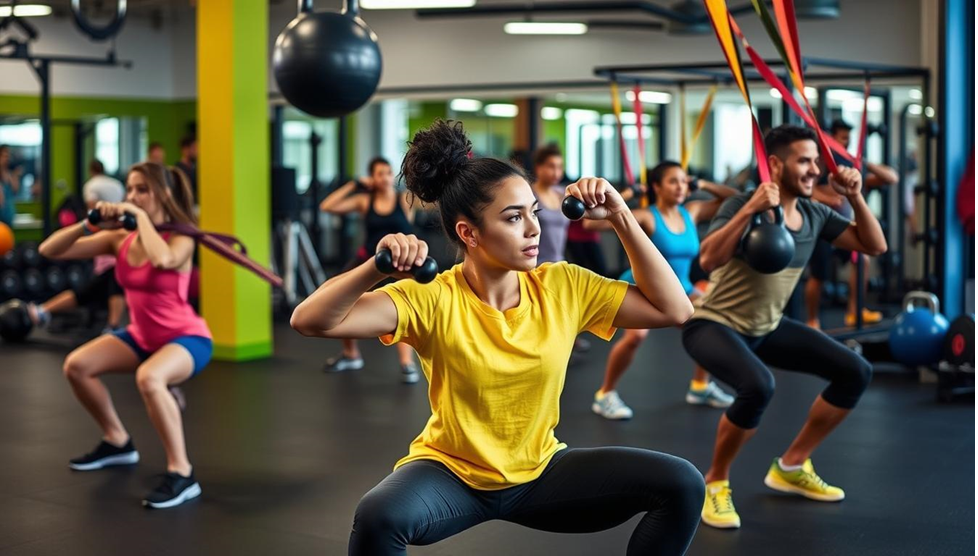
Functional Strength Training: What Is It?
Key Takeaways
- Functional strength training improves your body for everyday tasks and movements.
- It combines strength, flexibility, balance, and coordination for a full fitness plan.
- Exercises mimic real-life actions, preparing your body for daily life.
- Functional training works for everyone, from beginners to advanced athletes.
- The goal is to make your body more functional and improve your life quality.
Introduction to Functional Strength Training
There are two main ways to get fit: traditional strength training and functional strength training. Both aim to build strength and improve how well you move. But they focus on different things and do things differently.
Overview of the Differences Between Strength Training and Functional Training
Traditional strength training focuses on specific muscles like biceps and triceps. It aims to make muscles bigger and stronger. Functional strength training, however, uses exercises that are like real-life actions, like squatting and lunging. It's all about getting better at everyday activities.
Functional training also stresses the importance of a strong core, balance, and coordination. These are key for doing exercises right and staying injury-free. Traditional strength training might not pay as much attention to these, which can lead to problems later on.
|-----------------------------------------------------------|-----------------------------------------------------------------------| | Traditional Strength Training | Functional Strength Training | | Focuses on isolating and targeting specific muscle groups | Emphasizes compound exercises that mimic real-life movements | | Primary goal is to increase muscle size and raw strength | Focuses on enhancing overall functional fitness and performance | | May neglect core stability, balance, and coordination | Places a strong emphasis on core stability, balance, and coordination |
Knowing the differences between strength training and functional training helps you choose the right workout. It depends on what you want to achieve and how you like to exercise.
What Is Functional Strength Training?
Functional strength training is a workout that prepares your body for daily activities, sports, or specific tasks. It aims to boost your ability to move and perform better in everyday life. You'll do exercises that mimic real-life actions, like squatting, lunging, and pushing, to improve strength and balance.
Definition and Goals of Functional Strength Training
This type of training focuses on exercises that work many muscles at once. It uses your body weight or dumbbells, unlike traditional strength training. The goal is to make you stronger and more agile, while reducing injury risks.
The main goals of functional strength training include:
- Improving strength, power, flexibility, balance, and coordination
- Reducing the risk of injury by strengthening muscles and joints used in everyday life
- Enhancing athletic performance and overall functional fitness
- Increasing mobility and flexibility
- Promoting time-efficient workouts
A study in Frontiers in Physiology shows athletes get better at speed, strength, and agility with functional training. It helps you do daily tasks more easily by working on your whole body.
|--------------------------------------------------------------------------------------------------------------------------------|--------------------------------------------------------------------------------------------| | Functional Strength Training | Traditional Strength Training | | Focuses on exercises that mimic everyday activities or sports movements | Typically concentrates on exercising one muscle group at a time | | Uses bodyweight exercises, dumbbells, and other equipment to train multiple muscle groups and improve balance and coordination | Commonly includes exercises such as bench presses, squats, deadlifts, and shoulder presses | | Aims to enhance overall functional fitness and the ability to perform daily activities with ease | Primarily focuses on building strength in specific muscle groups |
Functional vs. Traditional Strength Training
There are two main ways to do strength training: functional and traditional. The main difference is what they focus on and how they help in everyday life.
Functional training focuses on exercises that are like everyday movements. These exercises work many muscles at once. They help with balance, coordination, and keeping your core strong. On the other hand, traditional strength training targets specific muscles to build strength in those areas.
|------------------------------------------------------------------------------|-------------------------------------------------------------------| | Functional Training | Traditional Strength Training | | Focuses on compound exercises that engage multiple muscle groups | Emphasizes isolation exercises that target specific muscle groups | | Improves overall movement efficiency, balance, and coordination | Builds maximal strength in targeted muscle groups | | Uses a variety of equipment like kettlebells, sandbags, and bodyweight | Relies heavily on fixed machines, barbells, and dumbbells | | Measures success through improved mobility, balance, and reduced injury risk | Gauges success by lifting maximum weights |
Traditional strength training is great for growing muscle and getting stronger. But functional training is better for improving how well you move and reducing injury risk. Mixing both can help you get a balanced workout that meets your goals.
Benefits of Functional Strength Training
Functional strength training does more than just build muscle. It makes your body better for everyday life and sports. It works many muscles at once, like real-life movements.
Improved Core Stability and Posture
It focuses on the core, which is key for good posture and avoiding back pain. Exercises that work the core improve how your body stands and moves. This can prevent posture problems.
Better Balance and Coordination
Functional training uses unstable movements to boost balance and coordination. This improves how you move and perform daily tasks and sports.
Reduced Risk of Injuries
It strengthens muscles and tendons around joints, lowering injury risk. This makes your body more stable and mobile, protecting against strains and sprains.
Enhanced Athletic Performance
Functional training exercises improve athletic skills. They help athletes get faster, stronger, and more agile. This boosts their overall physical ability.
Increased Mobility and Flexibility
It increases range of motion, leading to better joint function and flexibility. This reduces injury risk and boosts physical performance.
Higher Calorie Expenditure
Functional training burns more calories because it works many muscles at once. This makes it great for improving fitness and body shape.
Time-Efficient Workouts
Many exercises require little to no equipment, making workouts quick and easy. This is perfect for busy people who want to stay fit.
Functional strength training offers many benefits. It improves core stability, balance, and mobility. It also burns calories and is efficient for busy lives. It helps everyone achieve a more functional body.
who is functional strength training for?
Functional strength training is great for people of all ages and fitness levels. It's perfect for athletes wanting to get better, seniors wanting to stay mobile, or anyone wanting to get stronger. This training is for everyone.
Functional strength training is designed to mimic the movements and activities we encounter in our daily lives, making it a practical and accessible option for everyone. It focuses on exercises that work many muscles at once. This improves core strength, balance, and coordination. It's essential for doing everyday tasks.
For athletes, functional strength training is super helpful. It includes exercises that match the movements of sports. This helps athletes get stronger, more agile, and faster. It's great for runners, basketball players, and weightlifters.
Seniors also benefit a lot from functional strength training. As we get older, our muscles get weaker. This increases the risk of falls and losing independence. Functional training helps improve balance and keeps seniors strong and independent.
Functional strength training is good for anyone, no matter your age or fitness level. It focuses on real-life movements. This helps you build strength, stability, and coordination for everyday life.
""Functional strength training is not just for athletes or fitness enthusiasts - it's for everyone who wants to move better, feel stronger, and reduce the risk of injury in their everyday lives.""
How to Do Functional Strength Training
Functional strength training is great for everyone, from beginners to advanced athletes. It focuses on six key movements: squat, lunge, push, pull, bend, and core. This method builds strength, stability, and mobility in a real-world way.
Beginner Functional Strength Training
Beginners should start with basic movements and focus on proper form. Bodyweight squats, lunges, push-ups, and planks are good starting points. It's important to use lighter weights and focus on form first.
Intermediate Functional Strength Training
As you get better, you can try harder exercises and add weights. You might use kettlebells or resistance bands with squats, deadlifts, and pull-ups. Adding dynamic movements like burpees and box jumps can improve power and coordination.
Advanced Functional Strength Training
Advanced trainers do complex movements with high intensity and special equipment. This includes Olympic lifts, sled pulls, and plyometric exercises. The goal is to keep pushing your limits and improving strength and power.
It's crucial to work with a qualified coach, especially if you're new. A coach can help with form, program design, and progression. This ensures your training is safe and effective. The key is to adjust exercises and intensity to fit your needs and goals.
|-------------------|---------------------|----------------------------------------| | Beginner | Intermediate | Advanced | | Bodyweight Squats | Barbell Back Squats | Olympic Lifts (Snatch, Clean and Jerk) | | Lunges | Kettlebell Swings | Sled Pulls | | Push-ups | Pull-ups | Plyometric Exercises (Box Jumps) | | Plank Variations | Burpees | Complex Movements (Burpee Pull-ups) |
The level of functional strength training depends on your past training and goals. With a qualified coach, you can create a challenging yet safe program that helps you progress.
what is functional strength training
Functional strength training focuses on building strength for everyday life. It uses free weights, gymnastic moves, and aerobic training. The goal is to prepare you for daily tasks and activities.
In the early 2000s, most gym-goers focused on looks over sports performance. But, there's a growing need for fitness coaches who focus on real health and fitness.
This training builds strength for daily life. It includes free weights, gymnastics, and aerobic exercises. It's for those who want to improve their daily activities, not just look good.
The Definition and Goals of Functional Strength Training
Functional strength training is about building strength for everyday life. Its main goals are:
- Improving core stability and posture
- Enhancing balance and coordination
- Reducing the risk of injuries
- Boosting athletic performance
- Increasing mobility and flexibility
- Promoting higher calorie expenditure
- Providing time-efficient workouts
It can be done with little equipment, focusing on six main movements. Beginners should learn these basic movements. Intermediate and advanced trainees should focus on specific movements each day.
Functional strength training is a chance to make a difference and have a rewarding career. It doesn't require a four-year degree. The trend is expected to grow, with more applications in exercise programs.
Sample Functional Strength Training Programs
Functional strength training workouts boost your physical abilities. They prepare you for daily activities and sports. These programs focus on six key movements: squat, lunge, push, pull, bend, and core. They help build strength, stability, and mobility.
Beginner Functional Strength Training Workout
This beginner workout is a great starting point. It focuses on learning proper techniques and building a strong foundation. The exercises include:
- Bodyweight squats
- Pushups
- Bent-over rows
- Lunges
- Plank holds
Do 2-3 sets of 10-15 reps for each exercise. Rest for 1-2 minutes between sets. As you get better, add weights or harder variations.
Intermediate Functional Strength Training Workout
This intermediate workout is for those who have mastered the basics. It includes:
- Goblet squats
- Overhead press
- Deadlifts
- Step-ups
- Farmer's walks
Do 3 sets of 8-12 reps for each exercise. Rest for 2-3 minutes between sets. Adjust the weight and reps based on your fitness level and goals.
Advanced Functional Strength Training Workout
This advanced program is for those looking for a bigger challenge. It includes exercises that require more skill and strength. The workout includes:
|-------------------------|----------|---------------| | Exercise | Sets | Reps | | Barbell back squats | 3 | 6-8 | | Chest-to-bar pullups | 3 | Max reps | | Dumbbell walking lunges | 3 | 10-12 per leg | | Kettlebell swings | 3 | 15-20 | | Hanging leg raises | 3 | 8-10 |
Start with a weight that lets you keep proper form. Gradually increase the weight as you get stronger and more endurance.
Conclusion
Functional strength training has a big impact on fitness and health. It improves core strength, posture, balance, and coordination. This exercise is good for everyone, no matter their fitness level.
It's great for athletes, beginners, or anyone in between. Functional strength training makes you move like you do in real life. It works many muscles at once, reducing injury risk and improving flexibility.
This training also makes workouts more efficient and burns more calories. As fitness trends change, functional strength training stays important. With the right training and dedication, you can get better and reach your fitness goals.
By focusing on functional strength training, you can become stronger and more capable. It's a key to a healthier, more empowered life. Start your journey to a better, more resilient you today.
FAQ
What is functional strength training?
Functional strength training helps build strength for everyday life. It uses free weights, gymnastic moves, and aerobic training. The goal is to prepare you for daily tasks.
What are the benefits of functional strength training?
It improves core stability and posture. It also boosts balance and coordination. Plus, it reduces injury risk and enhances athletic performance.
It increases mobility and flexibility. It burns more calories and is a quick workout option.
How is functional training different from traditional strength training?
Functional training mimics real-life movements. It works multiple muscles at once. Traditional training focuses on specific muscles.
Functional training helps with everyday activities. Traditional training aims for maximum strength in specific muscles.
Who can benefit from functional strength training?
Anyone can benefit from it. It prepares you for daily life. It's good for athletes and seniors alike.
It's for people of all fitness levels. It helps reduce injury risk in daily activities.
How can I get started with functional strength training?
Start with minimal equipment. Focus on six basic movement patterns. Beginners should learn these patterns first.
Intermediate and advanced trainees should try harder exercises. A qualified coach can help, especially for beginners.
What are some examples of functional strength training programs?
Programs mix exercises for the six basic movement patterns. Beginner workouts focus on learning these movements.
Intermediate workouts add more challenging exercises. Advanced workouts use specialized movements and heavier loads. A coach can help tailor programs to your level and goals.
Source Links
- The Difference Between Strength Training and Functional Training? - https://www.vervefitness.com.au/blogs/all/what-is-the-difference-between-strength-training-and-functional-training?srsltid=AfmBOoob4DuinjG71lUXkRj_dRUJglCHcLAiYXrDWyhYvVLQvqYlEyB3
- Traditional vs. Functional Strength Training: What's the Difference? - https://www.byrdie.com/traditional-vs-functional-strength-training-5116063
- What is Functional Strength Training? - http://ymcacky.org/blog/what-functional-strength-training
- What is Functional Strength Training? - https://functionalpatterns.com/blogs/articles/what-is-functional-strength-training
- Introduction to Strength Training - Penn State College of Medicine Research - https://research.med.psu.edu/oncology-nutrition-exercise/patient-guides/strength-training/
- What is Functional Strength Training? - https://tempo.fit/blog/what-is-functional-strength-training
- The Difference Between Strength Training and Functional Training? - https://www.vervefitness.com.au/blogs/all/what-is-the-difference-between-strength-training-and-functional-training?srsltid=AfmBOorbDIzkCkV2vFEU_yEXqOYPLGRoFGPneGiXOxi3KzdYHNg4nlGs
- For Runners, Functional Strength Training Can Help Overall Performance - https://www.runnersworld.com/training/a27912041/functional-training/
- What is Functional Strength Training? - Nutrisense Journal - https://www.nutrisense.io/blog/functional-strength-training?srsltid=AfmBOoobN-tyCVE_wyN4EH4IGD1glKgazTvLgWU_aNZflREDIlLBzLJ1
- The Difference Between Traditional and Functional Strength Training - https://nextlevelfitness.com/how-to-differentiate-between-traditional-and-functional-strength-training/
- STRENGTH VS. FUNCTIONAL TRAINING: What's the Difference? - Life Fitness - https://www.lifefitness.com.au/difference-between-functional-and-traditional-strength-training/
- Functional vs traditional strength training: which is for you? - https://centr.com/blog/show/25413/functional-vs-traditional-strength-training-which-is-for-you
- Functional Strength Training: What It Is, Health Benefits, and Getting Started - https://www.everydayhealth.com/fitness/functional-strength-training/guide/
- Functional training: What is it and what are the benefits? - https://www.livescience.com/what-is-functional-training
- 7 Benefits of Functional Training - https://www.primalplay.com/blog/7-benefits-of-functional-training
- In Motion O.C. - https://www.inmotionoc.com/functional-strength-training-overview/
- 7 Functional Strength Training Moves That Peloton Instructors Swear By - https://www.onepeloton.com/blog/functional-strength-training/
- Functional Strength Training Vs. Traditional Strength Training - https://www.strengthwisebarbell.com/resources/guide-to-functional-strength-training
- What is Functional Strength Training? | OPEX Fitness - https://www.opexfit.com/blog/what-is-functional-strength-training
- The hype about functional strength training -- Les Mills - https://www.lesmills.com/us/fit-planet/fitness/functional-strength/
- 2-Week Functional Strength Training Program | Nourish Move Love - https://www.nourishmovelove.com/strong-20-workout-plan/
- The 30 Best Exercises for Functional Strength and Mobility - https://www.spartan.com/blogs/unbreakable-training/best-exercises-for-functional-strength
- The Ultimate Functional Fitness Workout Program - Muscle & Fitness - https://www.muscleandfitness.com/routine/workouts/workout-routines/the-functional-workout-routine/
- Power of Functional Training: Advantages and Disadvantages | The Enterprise World - https://theenterpriseworld.com/unlocking-the-power-of-functional-training/
- Q&A sul Functional Training: questions and answers - https://kingsbox.com/blog/en/home-gym/qa-on-functional-training-questions-and-answers/
- Difference Between Functional vs Traditional Strength Training - https://backcountry.physio/difference-between-functional-vs-traditional-strength-training/
"