
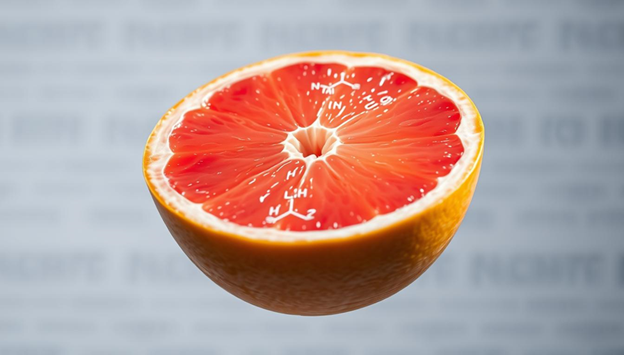
Grapefruit Drug Interactions: What You Need to Know
Grapefruit is often praised for its health benefits, including its high vitamin C and potassium content. However, this nutritious fruit can also disrupt the effectiveness of certain medications. The FDA has issued warnings about its potential to interfere with both prescription and over-the-counter drugs.
Medications for blood pressure , cholesterol, and immune system regulation are among the most commonly affected. These interactions can range from reducing the drug's effectiveness to causing dangerous side effects. It's essential to consult a healthcare provider and carefully read medication labels to avoid risks.
While grapefruit juice offers nutritional benefits, its interaction with over 85 medications makes it a topic of concern. Staying informed and exploring alternatives can help maintain both health and safety.
Introduction to Grapefruit Drug Interactions
Many people are unaware that a simple glass of juice can impact their medications. Citrus fruits, often praised for their health benefits, can have unexpected effects on the body. These interactions can surprise patients who don't expect their diet to interfere with their prescriptions.
Since 2006, the FDA has mandated warnings about citrus-drug interactions. This was after studies revealed that certain compounds in citrus fruits can alter how medications work. It's not just juice---Seville oranges and pomelos can also cause similar effects.
One glass of juice can create a three-day interaction window. This means the effects linger long after consumption. While citrus fruits are rich in vitamin C and other nutrients, their pharmacological risks can outweigh these benefits for some individuals.
Dr. Huang, a leading pharmacologist, explains, "Too much drug in the body can lead to more side effects." This happens because citrus compounds can increase the absorption of certain medications, making them more potent than intended.
Interestingly, some rare cases show the opposite effect. For example, fexofenadine, an allergy medication, becomes less effective when taken with citrus. This highlights the complexity of these interactions.
Certain groups are more vulnerable to these effects. Transplant patients and those with heart conditions need to be especially cautious. For them, even small dietary changes can have significant consequences.
Understanding these interactions is crucial for anyone taking medications. Staying informed can help avoid unnecessary risks and ensure treatments work as intended.
How Grapefruit Affects Medications
The interaction between certain foods and medications can be more complex than many realize. Specific compounds in foods can alter how the body processes medications, leading to unexpected effects. Two key mechanisms---enzyme inhibition and transporter interference---play a significant role in these interactions.
The Role of CYP3A4 Enzyme
The CYP3A4 enzyme , found in the liver and intestines, is responsible for breaking down many medications. When this enzyme is inhibited, medication levels in the blood can rise dramatically. For example, a study by the FDA found that grapefruit juice increased statin levels by 260%.
This inhibition occurs because certain compounds block the enzyme's activity. As a result, medications like simvastatin remain in the body longer, increasing the risk of side effects. Genetic factors also influence how much CYP3A4 an individual produces, making reactions highly personalized.
Impact on Drug Transporters
Drug transporters are proteins that help move medications into and out of cells. Some compounds can block these transporters, reducing medication absorption. For instance, fexofenadine, an allergy medication, saw an 84% drop in absorption when taken with citrus.
Unlike enzyme-dependent medications, transporter-dependent ones like fexofenadine become less effective when blocked. This dual role of transporters---facilitating or blocking absorption---adds another layer of complexity to food-medication interactions.
|---------------------|---------------------------|---------------------------------------------| | Medication Type | Mechanism | Effect | | Simvastatin | CYP3A4 Enzyme Inhibition | Increased levels, higher side effect risk | | Fexofenadine | Drug Transporter Blockage | Reduced absorption, decreased effectiveness |
Time-sensitive effects also matter. Just 300mL of juice can alter metabolism for up to 24 hours. Understanding these mechanisms helps individuals make informed dietary choices while on medication.
Common Medications Affected by Grapefruit
Many medications, from cholesterol-lowering drugs to anti-anxiety treatments, can be affected by specific foods. Understanding these effects is essential for safe and effective treatment. Below, we explore three major categories of medications that are particularly sensitive to dietary changes.
Statins for Cholesterol
Statins , such as Zocor® (simvastatin) and Lipitor®, are commonly prescribed to manage high cholesterol. However, they can interact with certain foods, leading to increased levels in the bloodstream. This can raise the risk of severe side effects, including muscle breakdown and kidney failure.
For example, simvastatin levels can spike by over 260% when combined with specific dietary compounds. To avoid these risks, doctors often recommend alternatives like pravastatin, which is less likely to interact.
Blood Pressure Medications
Blood pressure drugs, particularly calcium channel blockers like Procardia®, are also vulnerable. These medications help relax blood vessels, but interactions can cause drastic fluctuations in blood pressure. In one case study, nifedipine led to a dangerous drop in blood pressure when combined with certain foods.
Safer alternatives, such as amlodipine, are often suggested to minimize these risks. Always consult your doctor before making any changes to your medication regimen.
Anti-Anxiety Drugs
Anti-anxiety medications like Buspar® can also be affected. These drugs work by calming the nervous system, but interactions can lead to excessive sedation or impairment. This can make daily activities like driving unsafe.
Less-known medications, such as cyclosporine and quinidine, are also at risk. Even over-the-counter drugs like fexofenadine (Allegra®) can become less effective when combined with certain foods.
In one emergency room case, a patient experienced arrhythmia after combining amiodarone with a common dietary item. This highlights the importance of understanding these interactions to avoid serious health complications.
Understanding the Severity of Interactions
The severity of food-medication interactions depends on multiple factors. These include the amount consumed, individual health conditions, and the type of medication. For example, just one serving can create a three-day interaction window, significantly altering how the body processes certain drugs.
Studies show that 500mL of juice can cause a spike in nifedipine concentration, a blood pressure medication. This highlights the dose-response relationship---higher consumption leads to stronger effects. However, individual variability plays a role too. Age, genetics, and diet can influence how someone reacts to these combinations.
The risks range from mild to severe. Mild effects might include headaches or dizziness. Severe cases can lead to kidney failure or heart complications. Chronic consumption can amplify these risks, while acute exposure might cause temporary but dangerous side effects.
Drug half-life extension is another concern. Certain compounds can prolong how long a medication stays in the body. This increases the risk of toxicity, especially when multiple medications are involved. Cumulative effects can make the situation even more dangerous.
|----------------|------------------------------|-----------------------------| | Risk Level | Effects | Examples | | Mild | Headache, dizziness | Allergy medications | | Moderate | Nausea, fatigue | Blood pressure drugs | | Severe | Kidney failure, heart issues | Statins, anti-anxiety drugs |
Understanding these risks is essential for anyone taking medications. Being aware of toxicity thresholds and consulting a healthcare provider can help avoid serious complications. Staying informed ensures treatments work as intended and keeps health risks at bay.
How to Avoid Grapefruit Drug Interactions
Staying safe while taking medications requires more than just following prescriptions. Small dietary choices can significantly impact how your body processes these treatments. By taking a few proactive steps, you can reduce risks and ensure your medications work effectively.
Consult Your Doctor or Pharmacist
One of the best ways to avoid grapefruit interactions is to consult your doctor or pharmacist. They can provide personalized advice based on your medications and health history. A study by Kane and Lipsky found that 72% of patients miss interaction warnings, making professional guidance essential.
Creating a checklist for your consultation can help. Include questions about dietary restrictions and alternative options. This ensures you leave with a clear plan for managing your medications safely.
Read Medication Labels
Always take the time to read medication labels carefully. Look for terms like "CYP3A4 substrate," which indicate potential interactions. The FDA survey revealed that 43% of juices contain undeclared grapefruit, making label scrutiny even more critical.
Stealth products like marmalades or cocktails can also contain grapefruit. Being aware of these hidden sources helps you make informed choices. If you're unsure, ask your pharmacist for clarification.
Avoid Similar Fruits
Some fruits , like Seville oranges and pomelos, can have similar effects. Opt for safer alternatives like naval oranges or lemons. These provide the citrus flavor without the risks associated with grapefruit.
If avoiding these fruits completely is challenging, timing guidelines can help. For example, spacing out consumption and medication intake can reduce interaction risks. Keeping a medication journal can also help track any potential issues.
For added convenience, consider using app tools designed to check for food-medication interactions. These can provide quick insights and reminders, making it easier to stay on track.
Conclusion
Understanding how diet impacts medication safety is crucial for maintaining health . Even a single serving of certain foods can disrupt how the body processes medications for up to three days. This makes it essential to stay informed and take proactive steps to avoid risks.
Always consult your doctor or pharmacist before making dietary changes. They can provide personalized advice and help you use tools like the FDA's Drug Interaction Checker. Never self-assess risks, as even small mistakes can lead to serious consequences.
Safe alternatives exist for those who enjoy citrus flavors. Naval oranges or lemons can be great substitutes. For added convenience, consider downloading a medication wallet card to keep track of potential dietary restrictions.
As the saying goes, "When in doubt, ask---don't guess." Staying informed and seeking professional guidance ensures your medications work effectively and keeps your health on track.
FAQ
Can grapefruit juice affect my medications?
Yes, it can interfere with certain medications by altering how they are processed in the body. This can lead to higher or lower drug levels, increasing the risk of side effects or reducing effectiveness.
Which types of medications are most commonly affected?
Statins like simvastatin, blood pressure drugs such as calcium channel blockers, and anti-anxiety medications are often impacted. Always check with your doctor or pharmacist for specific details.
How does grapefruit interact with drugs?
It inhibits the CYP3A4 enzyme in the liver, which is responsible for breaking down many medications. This can cause drugs to stay in the body longer, leading to potential risks.
Should I avoid other fruits besides grapefruit?
Yes, similar fruits like Seville oranges, pomelos, and tangelos can have the same effect. It's best to avoid them if you're taking medications that interact with grapefruit.
How long should I wait after consuming grapefruit before taking my medication?
The effects can last for several hours or even days. To be safe, avoid it entirely if you're on a medication that interacts with it.
What should I do if I accidentally consume grapefruit with my medication?
Contact your doctor or pharmacist immediately. They can advise you on whether any adjustments to your medication or monitoring are needed.
Can I drink grapefruit juice if I'm not on any medications?
Yes, it's generally safe if you're not taking any drugs that interact with it. However, moderation is key, as it's high in natural sugars and acidity.