
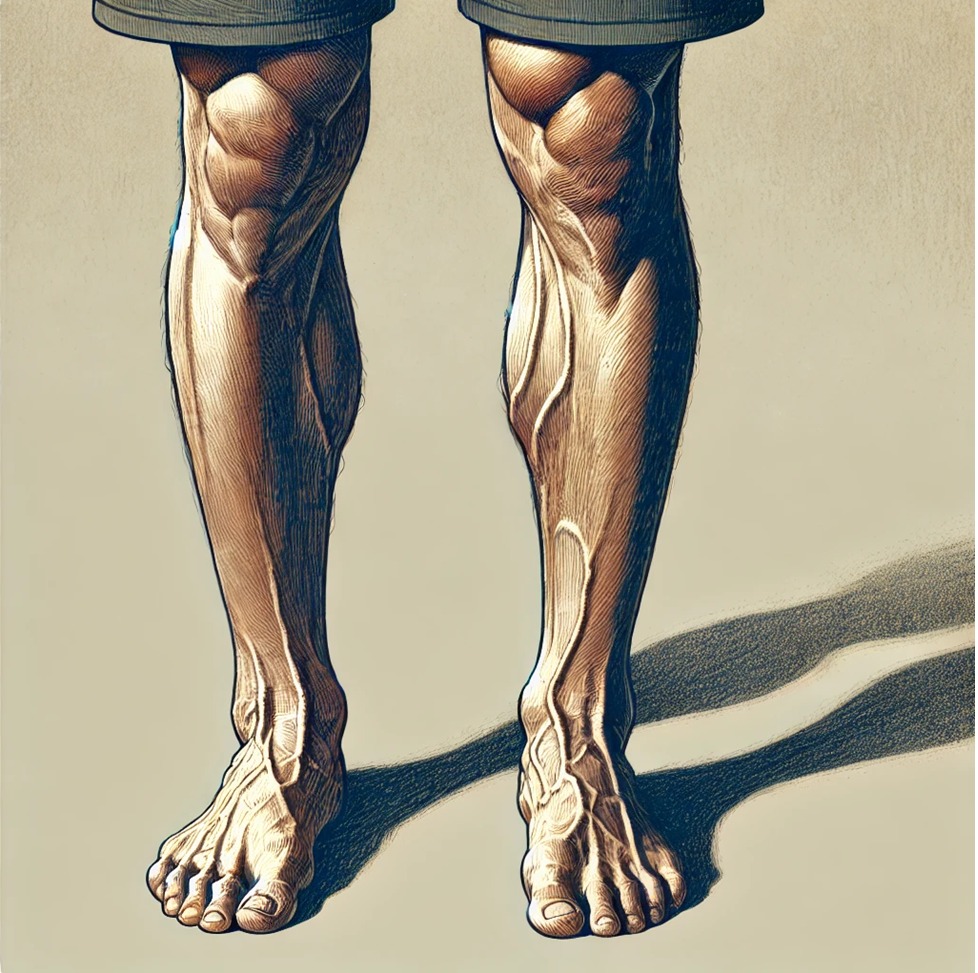
Heavy Legs? Discover Why and How to Find Relief
Key Takeaways
- Heavy legs can be caused by various factors, including varicose veins , peripheral arterial disease , and overtraining.
- Symptoms of heavy legs may include aching, swelling, and muscle stiffness or cramping.
- Seeking medical attention is important if heavy leg symptoms persist or worsen.
- Home remedies like leg elevation, compression stockings , and regular exercise can help alleviate heavy leg discomfort.
- Maintaining a healthy weight and avoiding prolonged standing or sitting can help prevent heavy leg issues.
Common Causes of Heavy Leg Sensation
Feeling like your legs are heavy is a common issue. There are many reasons why this happens. Knowing what causes it can help you find ways to feel better.
Varicose Veins
Varicose veins are a big reason for heavy legs. These veins get big and swollen over time. They can be caused by being overweight, getting older, hormonal changes, or sitting or standing for too long.
When blood flow gets worse, blood pools in your legs. This makes your legs feel heavy and sore.
Peripheral Arterial Disease (PAD)
Peripheral arterial disease (PAD) is another cause of heavy legs. It happens when fatty deposits block the arteries. This blocks blood flow to your legs.
This can make your legs feel tired, crampy, and sore.
Overtraining Syndrome (OTS)
For athletes, overtraining syndrome (OTS) can also cause heavy legs. When you train too much without resting, your muscles can't heal. This makes your legs feel tired and heavy.
This is especially common in runners, cyclists, and other athletes who do a lot of endurance training.
Finding out why your legs feel heavy is the first step to feeling better. By fixing the problem, you can make your legs feel lighter and more comfortable again.
Symptoms of Heavy Legs
Heavy legs can cause a range of symptoms. A common sign is dull pain in the legs. This pain often comes from muscle fatigue and poor circulation.
Heavy legs can also make your legs feel swollen or discolored . This is often seen in people with circulatory issues like varicose veins . Blood pooling can cause swelling and color changes.
Feeling stiffness and cramping in your muscles is another symptom. It usually means poor circulation, as muscles struggle without enough blood flow.
The symptoms can differ based on the cause of heavy legs. If your symptoms don't go away or get worse, see a doctor. Early treatment can help ease pain and improve your life.
When to Seek Medical Attention
While it's normal to feel heavy legs sometimes, if it keeps happening, you should see a doctor. Heavy, aching, swollen, or discolored legs might mean there's a bigger issue. It could be a problem with blood flow, nerves, or another health issue. Getting checked out is key to finding out what's wrong and fixing it.
Here are some signs you should go to the doctor:
- Fever over 100 F (37.8 C), which means you might have an infection.
- Calf pain after sitting for a long time, like on car trips or flights.
- Swelling in both legs with breathing trouble.
- Leg problems without a clear reason.
- Deep cuts in the leg that show bone or tendons, or if you can't walk or put weight on it.
Also, you should see a doctor if:
- Pain in your leg gets worse while walking.
- The pain doesn't go away.
- Swelling in both legs happens.
- Home treatments don't help.
In the meantime, try resting your leg, using ice packs, and taking over-the-counter pain meds. But if the heavy leg symptoms don't get better or get worse, you really need to see a doctor. They can figure out what's going on and help you.
Why Do My Legs Feel Heavy?
If your legs feel heavy and tired, there might be a few reasons. Knowing what causes this can help you find the right treatment. This way, you can start feeling better.
Poor Circulation
Poor circulation is a big reason for heavy legs. Issues like varicose veins and peripheral arterial disease can block blood flow. This makes your legs feel slow and heavy.
Fluid Retention
Fluid retention , or edema , also leads to heavy legs. This is especially true during pregnancy. When your body holds onto more fluid, your legs can swell up.
Muscle Fatigue
Overexertion and muscle fatigue can also make your legs feel heavy. When muscles are overworked or have too much lactic acid, they get weak. This is common in athletes who don't rest enough.
Knowing why your legs feel heavy can help you find the right treatment. Fixing circulation problems, managing fluid, and letting muscles recover can help. These steps can ease the discomfort of heavy legs.
Home Remedies for Heavy Leg Relief
Feeling like your legs are heavy and sluggish? There are easy home remedies to help. Elevating your legs and wearing compression stockings can make a big difference. These methods boost circulation and cut down on swelling, making your legs feel lighter and more comfortable.
Leg Elevation
One simple trick is to elevate your legs above your heart. This helps blood flow better and reduces swelling. Try reclining with your legs up on a wall or chair for 15-20 minutes a few times a day. You'll start to feel the relief.
Compression Stockings
Wearing compression stockings can also ease heavy leg feelings. The stockings apply pressure that helps blood flow back to the heart. This stops blood from pooling and swelling in your legs, making them feel less tired and heavy.
Staying Active
Being too active can make your legs feel heavy, but being lightly active can help. Try walking, swimming, or gentle stretching. These activities boost circulation and prevent muscle fatigue, helping your legs feel less heavy and sluggish.
""Elevating your legs and wearing compression stockings are simple, effective ways to improve circulation and provide relief for heavy, tired legs.""
Managing Risk Factors
Keeping a healthy weight is key to handling heavy leg issues. Being overweight can lead to varicose veins and bad circulation. Staying at a moderate weight can boost your leg's health and movement.
Quitting smoking helps too, as it can harm blood vessels and worsen peripheral arterial disease . Giving up cigarettes can enhance your leg's health and circulation.
Maintaining a Healthy Weight
Extra weight strains your leg veins and muscles, causing a heavy, sore feeling. A healthy body weight lowers the risk of varicose veins and boosts circulation to your legs.
Quitting Smoking
Smoking is a big risk for peripheral arterial disease (PAD), which limits blood flow to your legs and feet. Stopping smoking can improve circulation and ease the heavy, tired feeling in your legs.
""Maintaining a healthy weight and quitting smoking are two of the most effective ways to manage heavy leg symptoms and improve overall vascular health.""
Preventing Heavy Legs
Keeping your legs healthy is key to feeling good. There are easy steps to stop your legs from feeling heavy. One big step is to engage in regular exercise . Exercise makes your leg muscles strong and improves circulation. This helps avoid blood pooling, muscle tiredness, and poor movement.
Also, it's vital to avoid sitting or standing for too long . Sitting or standing for hours can hurt your blood flow. This can lead to varicose veins. So, make sure to stand up and move around often.
|--------------------------------------------|---------------------------------------------------------------------------| | Prevention Strategies | Benefits | | Regular Exercise | Strengthens leg muscles, improves circulation, reduces muscle fatigue | | Avoiding Prolonged Standing or Sitting | Maintains healthy circulation, prevents varicose veins |
By adding these simple steps to your day, you can stop your legs from feeling heavy. Remember, being proactive can greatly improve your comfort and health.
Conclusion
Heavy, tired legs can really affect your health and happiness. Knowing what causes it and how to treat it is key. By trying different treatments and changing your lifestyle, you can feel better and move more easily.
There are many ways to tackle heavy legs, from treating circulatory problems to staying active. By making these changes, you can boost your energy and feel less pain. This can make your life much better.
If you're always feeling tired in your legs, see a doctor. They can help figure out what's wrong and find the best way to fix it. With the right care, you can feel better and live a happier life.
FAQ
What are the common causes of heavy leg sensation?
Heavy leg sensation can be caused by varicose veins , peripheral arterial disease (PAD), and overtraining syndrome (OTS). Varicose veins limit blood flow. PAD narrows arteries. OTS causes muscle fatigue and poor circulation.
What are the symptoms of heavy legs?
Symptoms include aching, swollen or discolored legs , and stiffness or cramping. These are often due to poor circulation, muscle fatigue, and blood or fluid pooling in leg tissues.
When should I see a doctor for heavy leg symptoms?
See a doctor for persistent or worsening symptoms. They could signal a circulatory issue, nerve problem, or other health concern. Finding the cause is key to relief.
Why do my legs feel heavy?
Legs may feel heavy due to poor circulation, fluid retention, and muscle fatigue. Conditions like varicose veins, PAD, and OTS can also cause this feeling.
What home remedies can help relieve heavy leg symptoms?
Home remedies include elevating legs, wearing compression stockings, and doing light exercise . These can improve circulation , reduce swelling, and ease muscle fatigue.
How can I manage the risk factors for heavy legs?
Managing risk factors involves maintaining a healthy weight and quitting smoking. Excess weight and smoking can worsen circulatory issues and conditions like varicose veins and PAD.
How can I prevent heavy legs?
Preventing heavy legs involves regular exercise, avoiding long periods of standing or sitting, and taking breaks. Keeping leg muscles strong and improving circulation is essential for healthy legs.
Source Links
- Legs feel heavy: Causes, home remedies, and more - https://www.medicalnewstoday.com/articles/321670
- Heavy Legs: Causes, Risk Factors, Relief - https://www.healthline.com/health/heavy-legs
- Relief and prevention of heavy legs | Uniprix - https://www.uniprix.com/en/tips/1/health/relief-and-prevention-of-heavy-legs
- Heavy Feeling Legs: Causes & How to Relieve Heavy Legs - https://gilvydisvein.com/blog/heavy-feeling-legs-causes-how-to-relieve-heavy-legs/
- Nationally Recognized Vein Doctor | Why Do My Legs Feel Weak and Heavy? 8 Possible Causes of Leg Heaviness - https://www.veintreatmentnj.com/why-does-my-legs-feel-weak-and-heavy/
- Get the Facts About Heavy and Tired Leg Symptoms - https://alliancevascularcare.com/symptoms/heavy-legs-fatigued-legs/
- Tips for relieving heavy legs - CEO Médic - https://ceomedic.ca/en/knees/how-to-relieve-heavy-legs/
- Tired, Heavy Legs - Peripheral Vascular Disease Symptoms | PVD and Me - https://www.pvdandme.com/homepage/pvd-symptoms/tired-heavy-legs.html
- Leg pain When to see a doctor - https://www.mayoclinic.org/symptoms/leg-pain/basics/when-to-see-doctor/sym-20050784
- Why Do My Legs Feel So Heavy in the Morning?: Vein, Heart, and Vascular Institute: Cardiovascular Doctors - https://www.veinheartandvascular.com/blog/why-do-my-legs-feel-so-heavy-in-the-morning
- Why Do My Legs Feel Heavy and Tired? - Water's Edge Dermatology - https://www.wederm.com/2022/10/05/why-do-my-legs-feel-heavy-and-tired/
- Why Do My Legs Feel So Heavy When I Walk?: Vascular Specialists: Vascular Surgeons - https://www.vascspecialists.org/blog/why-do-my-legs-feel-so-heavy-when-i-walk
- Harvard Trained Vein Doctor | What Makes Your Legs Feel Heavy? 5 Possible Causes of Leg Heaviness & Restless Leg Syndrome - https://www.veintreatmentclinic.com/what-makes-your-legs-feel-heavy
- Why Do My Legs Feel Heavy After Walking?: Cardiovascular Institute of America: Cardiovascular Disease Specialists - https://www.cardiologytampa.com/blog/why-do-my-legs-feel-heavy-after-walking
- Tired Legs: Causes, Treatment, Prevention, and More - https://www.healthline.com/health/tired-legs
- Tired legs: Causes and how to get relief - https://www.medicalnewstoday.com/articles/tired-legs
- Heavy and tired legs -- pain in legs. What helps? | medi - https://www.medi.de/en/diagnosis-treatment/venous-disorders/heavy-legs/
- Legs Feel Heavy: Is It Just Fatigue or a Symptom of Vein Disease? - https://www.ithriveveins.com/vein-disease-symptoms/legs-feel-heavy
- What Causes Heavy Legs and What Are The Treatment Options? - https://www.bassveincenter.com/blogs/what-causes-heavy-legs-and-what-are-the-treatment-options
- Heavy Leg Pain Specialist Near Me in Maryland, New Jersey, and Virginia - https://www.cvmus.com/vascular-treatment/heavy-legs-treatment-and-causes
- Why Do My Legs Feel Heavy and Tired - Salameh Plastic Surgery Center - https://salamehplasticsurgery.com/why-do-my-legs-feel-heavy-and-tired/
- Why do I have heavy legs? - Paris Veine Institut - https://www.veine-institut.paris/en/why-do-i-have-heavy-legs/
- Why Do My Legs Feel Heavy? 7 Common Causes and Treatments - Relevium - https://releviummd.com/why-do-my-legs-feel-heavy-7-common-causes-and-treatments/
"