
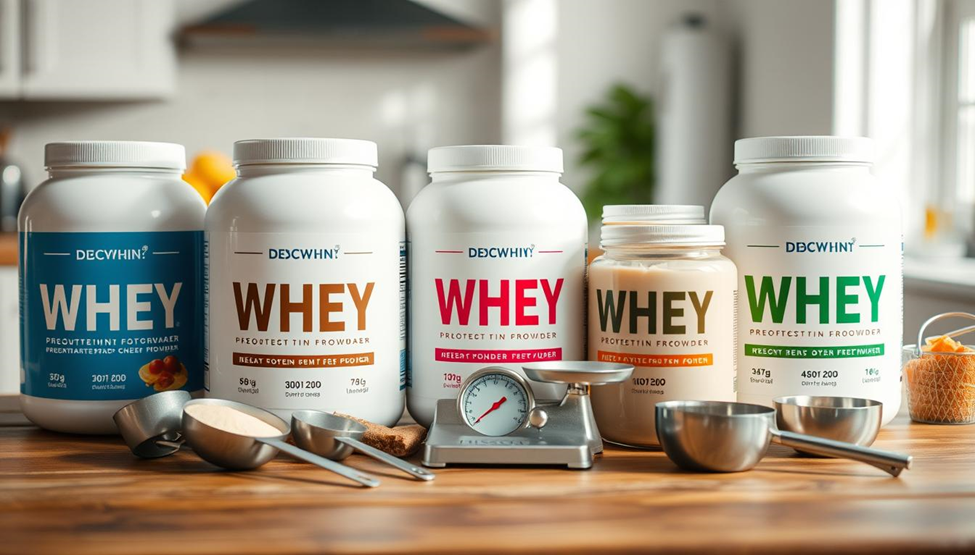
How Long Does Protein Powder Last? Shelf Life Guide
Key Takeaways
- Protein powders generally last between nine to 18 months.
- Whey protein can remain effective for over 12 months, even beyond in optimal conditions.
- Storage conditions significantly influence protein powder shelf life.
- Indicators of spoilage include clumping, discoloration, and unusual odors.
- Most protein powders have ""use-by"" or ""best-if-used-by"" dates on their packaging.
Understanding Protein Powder
Protein powder comes in various forms, each catering to different dietary needs and preferences. Understanding the different types helps consumers make informed choices. The two main categories are dairy-based protein and plant-based protein . Dairy-based options, like whey and casein, are popular due to their high biological value and amino acid profile. On the other hand, plant-based protein, including sources like pea, rice, and soy, caters to those following vegetarian or vegan diets or those who may be lactose intolerant.
Types of Protein Powder
- Dairy-Based Protein: These include whey and casein, offering complete protein profiles with all essential amino acids.
- Plant-Based Protein: Options like pea, rice, and soy protein are great alternatives for those seeking non-dairy sources, providing various health benefits.
Common Ingredients in Protein Powder
Beyond the primary protein source, many protein powders include various additives in protein powder designed to enhance flavor, texture, and shelf life. Common protein powder ingredients include:
- Flavoring agents: To improve taste.
- Nutritional additives: Such as vitamins and minerals to boost overall nutritional value.
- Stabilizers: Added to maintain product consistency and prevent clumping.
Understanding these ingredients allows consumers to choose products that align with their health goals and dietary preferences while ensuring quality and safety. As the protein powder industry evolves, the focus on natural and minimalistic ingredient lists is growing, making it easier for individuals to select the right product for their nutrition needs.
How Long Does Protein Powder Last?
Understanding the longevity of protein powder can help users maximize their investment and benefits from these supplements. The protein powder general shelf life usually falls between 9 to 18 months, depending on multiple factors including storage conditions and the type of protein. Knowing how long does protein powder last can influence purchasing decisions and optimal usage.
General Shelf Life of Protein Powder
Whey protein powder can last from nine to 19 months when stored at a stable temperature of 70°F and 35% humidity. If you opt for protein powders with additives, such as maltodextrin and lecithin, these may extend the shelf life up to two years. Plant-based proteins like hemp, pea, and soy also typically have a shelf life of around two years. Storing protein powder in an appropriate environment significantly affects its freshness. For example, whey protein stored at 95°F might deteriorate in just nine months.
Factors Affecting Shelf Life
Several factors affecting protein powder shelf life warrant attention for proper maintenance. First, temperature and humidity play crucial roles; high temperatures can lead to oxidation and spoilage. The presence of preservatives can enhance longevity, while inferior storage conditions can result in protein loss over time. A detailed breakdown of key factors is presented in the table below:
|-----------------------|---------------------------------------|-------------------------------| | Storage Condition | Shelf Life | Notes | | 70°F, 35% Humidity | 9-19 months | Ideal for maintaining quality | | 95°F, 45-65% Humidity | 9 months | Promotes oxidation | | Cool, Dry (Optimal) | 12-24 months (depending on additives) | Best for preserving nutrients | | Opened vs. Unopened | 12-14 months vs. Up to 24 months | Unopened lasts longer |
In summary, understanding the variables that contribute to protein powder general shelf life empowers consumers to make informed decisions, ensuring their supplements remain effective and safe to use. Proper storing protein powder in cool, dry locations can greatly enhance its longevity and usability.
What is Protein Powder Expiration?
Understanding protein powder expiration is vital for consumers looking to maintain quality and safety in their supplements. The terms ""expiration date"" and ""use-by date"" often appear on product labels, each carrying distinct meanings that are crucial for proper usage.
Expiration Date vs. Use-By Date
The expiration date generally indicates the time frame during which the protein powder maintains its best quality. This date serves as a guideline for consumers regarding flavor, potency, and nutritional value. On the other hand, the use-by date is more aligned with safety. Although the FDA does not strictly regulate these dates for dietary supplements like protein powders, manufacturers often provide them to help consumers gauge product freshness and functionality.
Implications of Expiration Dates
When examining the implications of protein powder expiration dates, it's essential to recognize that an expired product doesn't necessarily imply spoilage. While the protein powder may still be safe to consume, its quality may have diminished. Research indicates that over time, even under optimal storage conditions, certain nutrients such as lysine can degrade. For instance, a 12-month study showed a reduction in lysine content from 5.5% to 4.2%. Additionally, exposure to unsuitable conditions like high heat or moisture can accelerate oxidation, leading to changes such as rancid odors or clumping.
Consumers should be aware of these potential quality changes to make informed decisions about when to discard their protein powders. In the end, regularly checking both the protein powder expiration date and the use-by date effectively guides users in maintaining product efficacy.
|-----------------|----------------------------------------|-----------------------------------| | Date Type | Description | Regulatory Oversight | | Expiration Date | Best quality timeframe for consumption | Not strictly regulated by the FDA | | Use-By Date | Safety guideline for consumption | Not strictly regulated by the FDA |
Protein Powder Shelf Life Estimates
Understanding the durability of various protein powders is crucial for consumers looking to maximize their investment. Studies on whey protein shelf life reveal that when stored correctly, this popular supplement can last between 12 to 19 months. Various factors can influence this longevity, including temperature and humidity levels.
Studies on Whey Protein Shelf Life
Whey protein shelf life studies indicate that under optimal conditions, protein powders can exhibit impressive durability. For instance, when stored at a temperature of 70°F with 45-65% humidity, whey protein can maintain its quality for at least 18 months. In contrast, storage at 95°F under similar humidity may drastically shorten its lifespan to around 9 months.
Additionally, certain protein powders that incorporate preservatives can extend their shelf life even further, sometimes reaching up to 2 years. This trend highlights the importance of understanding the specific composition of the protein powder, as additives like maltodextrin, salt, and lecithin can significantly enhance durability.
Comparing Different Types of Protein Powders
The shelf life of different protein powders varies considerably. In general, dairy-based proteins tend to have a shorter lifespan due to susceptibility to chemical changes such as Maillard browning. Plant-based protein powders typically last longer, offering more resilience against spoilage, which might be attributed to the lower presence of certain amino acids vulnerable to degradation.
A comprehensive comparison is summarized in the following table:
|----------------------------|--------------------------|----------------------------------------------------------| | Type of Protein Powder | Estimated Shelf Life | Factors Influencing Durability | | Whey Protein | 12-19 months | Storage temperature, humidity, presence of preservatives | | Casein Protein | 12-18 months | Same as whey, prone to Maillard reaction | | Plant-Based Protein | 18-24 months | Less susceptibility to browning and oxidation | | Protein with Additives | Up to 2 years | Preservatives like maltodextrin, salt, and lecithin |
Consumers should carefully consider these estimates and factors when selecting protein powders, ensuring they choose options that align with their storage capabilities and usage plans.
Can Expired Protein Powder Be Consumed?
Many people wonder about the safety of consuming expired protein powder . Understanding the balance between protein powder safety and quality can help in making informed decisions. While protein powders typically have a shelf life stretching to a year or more, the risks of expired protein powder must also be considered. Storing protein powder properly can mitigate these risks and maintain its effectiveness.
Safety vs. Quality After Expiration
Protein powder is generally a dry product, which limits the chance of bacterial growth and spoilage. Packages often indicate a 'best by' or 'sell by' date that refers to the product's quality rather than safety. This means that consuming expired protein powder, especially under proper storage conditions, can be safe for up to two years. Still, it is important to note that quality may decline post-expiration. The amino acids, particularly lysine and isoleucine, could degrade over time, potentially affecting muscle-building performance. Robert Wildman suggests discarding protein powder if it is more than a year past the sell-by date.
Potential Risks of Consuming Expired Powder
Although the risks of expired protein powder are typically low, some health issues can arise. Consuming deteriorated protein powder may lead to digestive discomfort, including symptoms such as stomach pain, nausea, and vomiting. It's crucial to be vigilant about the visual and sensory characteristics of protein powder. Signs that the product has gone bad include an unpleasant odor, noticeable color changes, and clumping. Storing protein powder in airtight containers in a cool, dry environment will help preserve its quality and mitigate the risks of expired protein powder.
|------------------------|-----------------------------------------------------| | Aspect | Details | | Sell-By Date | Usually a year or more out | | Storage Conditions | Cool, dry place; airtight containers recommended | | Safety Post-Expiration | Generally safe for up to 2 years if stored properly | | Signs of Spoilage | Bad smell, color changes, clumping | | Health Risks | Stomach pain, nausea, vomiting |
Storing Protein Powder Properly
To maximize the longevity and quality of protein powder, understanding optimal protein powder storage conditions is essential. Several factors influence how well protein powder retains its freshness, including temperature and humidity. Following best practices can help you enjoy your protein powder for a longer time.
Optimal Storage Conditions
The ideal environment for storing protein powder involves maintaining a cool and dry space. Keep your protein powder at around 70°F and within a humidity level below 65%. This will significantly help in keeping protein powder fresh. Storing protein powder in a controlled environment prevents oxidation, which can degrade the quality over time, especially at higher temperatures.
It is important to avoid conditions that can lead to spoilage. For instance, storing protein powder in hot environments, above 113°F, can accelerate oxidation and affect both flavor and texture. Placing the container in a dark location, away from direct sunlight, also prevents degradation from UV exposure.
How to Keep Protein Powder Fresh
To ensure longevity and maintain the efficiency of your protein powder, consider these tips for keeping protein powder fresh:
- Seal containers tightly to guard against moisture intrusion. Moisture is the biggest enemy to protein powder, leading to clumping and bacterial growth.
- Use airtight containers with tight-fitting lids, which help prolong the life of protein powder.
- Check expiration dates regularly to ensure you're consuming fresh protein powder.
- Avoid refrigeration or freezing, as this can cause clumping and promote moisture buildup.
- Rotate your stock and use the oldest protein powder first, minimizing waste and spoilage.
By adhering to these guidelines, you can effectively prolong the shelf life of your protein powder, ensuring it stays fresh and beneficial for your dietary needs.
|------------------------------------|---------------------------------| | Storage Condition | Effect on Shelf Life | | 70°F, | Up to 19 months | | 95°F, 45-65% Humidity | Roughly 9 months | | Controlled environment below 113°F | Prevents oxidation and spoilage | | Direct sunlight exposure | Accelerates degradation |
Signs That Protein Powder Has Gone Bad
Recognizing the signs that protein powder has gone bad can help you ensure safety in your consumption. Examining visual cues and employing smell and taste tests for protein powder are essential steps. By being aware of these indicators, you can make informed decisions about the quality of your protein powder.
Visual Indicators of Spoilage
Several visual signs of spoiled protein powder can alert you to potential spoilage. Look for the following indicators:
- Clumping: If you notice that the powder has formed clumps, this may suggest moisture exposure, which can lead to spoilage.
- Discoloration: Sudden changes in color can indicate degradation. A shift from the usual hue signals chances of spoilage.
- Unusual Texture: A grainy or gritty texture may show that the protein powder is no longer fresh.
- Rancid Smell: Any unpleasant or strange odors should raise red flags about quality.
Smell and Taste Tests
Employing smell and taste tests for protein powder can further gauge its freshness. Although taste testing is not always the safest method, trusting your senses remains vital:
- Odor Check: A strong, off-putting smell indicates that the protein powder is spoiled and should not be consumed.
- Taste Test: If a little pinch tastes bitter or off, discard the protein powder immediately.
- Timing After Mixing: If the powder has been mixed with liquid, consume it within 48 hours to prevent spoilage.
It's crucial to discard any protein powder exhibiting these spoilage signs to avoid potential health risks. Proper storage and careful inspection create a safer environment for utilizing your protein supplements.
|----------------|-----------------------------------------------------------| | Indicators | What to Look For | | Clumping | Formation of clumped powder, suggesting moisture exposure | | Discoloration | Changes in color from original state | | Texture | Gritty or unusual texture indicating decreased quality | | Odor | Presence of rancid or strange smells | | Flavor | Bitterness or off taste upon testing |
Throwing Out Old Protein Powder
Knowing when to discard protein powder is vital for maintaining health and safety. Disposing of protein powder becomes necessary if spoilage signs manifest. This includes noticeable changes in smell, taste, texture, or appearance. For instance, clumping or a bad odor may indicate that the powder has gone bad. Being mindful of these indicators ensures consumers prioritize their well-being.
When to Discard Your Protein Powder
It's essential to assess protein powder carefully before usage. Consider these factors when deciding to throw it away:
- Expiration or use-by dates have passed.
- Visual changes such as discoloration or clumping.
- Unpleasant odor or taste noticed during preparation.
- Improper storage conditions, which may influence shelf life.
- Specific types of protein, like egg white powder, may spoil faster under unsuitable temperatures.
Environmental Considerations for Disposal
Expired protein powder disposal requires eco-conscious methods that minimize waste. Instead of simply throwing it away, consider these environmentally friendly disposal options:
- Compost if the powder is organic and free of additives. Check local regulations on organic composting.
- Dispose of it in the trash as a last resort, making sure to seal it properly to avoid contamination.
- Look for community programs dedicated to food waste reduction that might accept unopened or nearing-expiry items.
Conclusion
In summary of protein powder shelf life, it's essential to recognize that most protein powders usually maintain their viability for about 1-2 years from the date of manufacture. This shelf life can vary, depending on factors such as the quality of ingredients used and how they are stored. High-quality protein powders, often made from pure sources, tend to last longer than those containing various additives or lower-quality components.
Understanding the distinction between expiration dates and use-by dates is crucial for consumers. While the expiration date serves as a guideline for freshness, it doesn't necessarily dictate safety. Indeed, many individuals find it safe to consume expired protein powder, provided there are no visible signs of spoilage like discoloration or an off-putting odor. Proper storage in a cool, dry place can greatly enhance longevity and ensure that you're gaining maximum benefits from your protein supplement.
Ultimately, understanding the summary of protein powder shelf life equips individuals to make informed decisions regarding dietary supplements. By recognizing the impact of storage conditions and ingredient quality, you can extend the lifespan of your protein powder while maintaining its efficacy to support muscle growth and recovery. Always prioritize fresh protein powder to optimize essential amino acids for your fitness goals.
FAQ
How long does protein powder last?
Protein powder typically lasts between 9 to 18 months when stored under proper conditions. Most manufacturers label an expiration date of about 2 years due to preservatives and additives that help extend shelf life.
What are the different types of protein powder?
The main types of protein powder include dairy-based options like whey and casein, as well as plant-based varieties such as pea, rice, and soy, catering to diverse dietary needs and preferences.
How should I store protein powder to maximize its shelf life?
To keep protein powder fresh, store it in a cool, dry place at around 70°F with low humidity. Sealing the container tightly and keeping it away from heat sources are also crucial for maintaining quality.
What's the difference between an expiration date and a use-by date?
The expiration date indicates the timeframe during which the product is at its best quality, while the use-by date relates to safety. Manufacturers may not always include a use-by date on the packaging.
Is it safe to consume protein powder after its expiration date?
Generally, it is safe to consume protein powder after its expiration date, but you may experience a decline in quality, taste, and nutritional value. Always inspect the powder for visual and sensory signs of spoilage before use.
What are some signs that protein powder has gone bad?
Signs of spoiled protein powder include clumping, discoloration, off-odors, and undesirable flavors. If you notice any of these indicators, it's wise to discard the product.
What should I do with expired protein powder?
It's best to discard expired protein powder if you observe any signs of spoilage. Proper disposal methods can help minimize environmental impact, so consider eco-friendly options when discarding expired products.
How can I make sure my protein powder lasts longer?
Sealing the container tightly, storing it in a dark and cool location, and checking for signs of spoilage regularly can all contribute to prolonging the longevity of your protein powder.
Source Links
- Does Protein Powder Expire? | Garage Gym Reviews - https://www.garagegymreviews.com/does-protein-powder-expire
- How Long Does Protein Powder Last After Opening? Plus Tips to Keep it Fresh | Livestrong.com - https://www.livestrong.com/article/485471-how-fast-does-opened-protein-powder-lose-potency/
- How Long Does Protein Powder Last: Safety and Usage - https://orgain.com/blogs/blogs/how-long-does-protein-powder-last?srsltid=AfmBOoq48qiAaEgXOjDayeUBx8QsfmlOwJSfikD45OChyOqIbMrR5k8p
- Does Protein Powder Expire? - https://www.healthline.com/nutrition/does-protein-powder-expire
- Is It Safe to Take Expired Protein Powder? A Dietitian Weighs In - https://www.eatingwell.com/is-it-safe-to-take-expired-protein-powder-8363048
- Gainful - https://app.gainful.com/blog/does-protein-powder-go-bad/
- How Long Does Protein Powder Last: Safety and Usage - https://orgain.com/blogs/blogs/how-long-does-protein-powder-last?srsltid=AfmBOop-4vljDMZ3ruVe-u6nspwzfcPqLjl-TovSPx9oXDwdnevn0dgX
- Does Protein Powder Expire? - https://www.drinkwholesome.com/does-protein-powder-expire/?srsltid=AfmBOopBDy48NzWRSruogiewJuy4tJ9Vitnz-noIeel_UJNAP9QQRFmz
- How Long Does Protein Powder Last: Safety and Usage - https://orgain.com/blogs/blogs/how-long-does-protein-powder-last?srsltid=AfmBOopNVdkKhXn-kaKpso2kXTMTvsE5X6npX8fKm65jCm5SK-tqzCj5
- Does Protein Powder Expire? A Dietitian Weighs In - https://www.verywellfit.com/does-protein-powder-expire-7557072
- How Long Does Protein Powder Last: Safety and Usage - https://orgain.com/blogs/blogs/how-long-does-protein-powder-last?srsltid=AfmBOooRWni-Ah0bn1UDFafmMbl69d3KrHctr8aGDkWgQdVj3qZHi5u4
- Does Protein Powder Expire? - https://nakednutrition.com/blogs/protein/does-protein-powder-expire?srsltid=AfmBOooHoY5KzY9b6qc3jAQGtFxhKl7EqfoZXTntXcHuqW3UiOmUzPTj
- How Bad Is It to Use Expired Protein Powder? - https://www.shape.com/healthy-eating/diet-tips/it-safe-use-expired-protein-powder
- Is It Safe To Consume Expired Protein Powder? Here's What Science Says - https://formnutrition.com/inform/is-it-safe-to-consume-expired-protein-powder/
- Do Yourself a Favor and Throw Out Your Expired Protein Powder - https://www.menshealth.com/nutrition/a19547717/expired-protein-powder/
- How Long Does Protein Powder Last: Safety and Usage - https://orgain.com/blogs/blogs/how-long-does-protein-powder-last?srsltid=AfmBOoofOkZyrN7lHbFBueo7oZvLnYUuomCKXy2S1lVYNnTrqWYluTmN
- How to store protein powder and shakes | Vivo Life -- Vivo Life USA - https://www.vivolife.com/blogs/news/how-to-store-protein-powder-and-shakes?srsltid=AfmBOor_3H6m7WvG4iu9_rLu7zfUT1VKfjJEwQM8WS5m8nFMHIa1VqXw
- Tips for Extending the Shelf Life of Your Prot - https://transformationprotein.com/blogs/news/protein-powder-storage-tips-for-extending-the-shelf-life-of-your-protein-powder?srsltid=AfmBOoqM4h74X2BRM8bfo8_70jYuVo3z5mwtjwnYo2j-y4wW3t9PDMck
- Does Protein Powder Expire? And How to Tell if It's Gone Bad! - Texanerin Baking - https://www.texanerin.com/does-protein-powder-expire/
- How Long Does Protein Powder Last: Safety and Usage - https://orgain.com/blogs/blogs/how-long-does-protein-powder-last?srsltid=AfmBOoomdaTwzKqSRwo9YD0gB9m212CvhNXDBmi1NcXFN4fsDKBsGxEU
- Does Vegan Protein Powder Expire? How Long Does it Last? - https://earthchimp.com/blogs/news/how-long-does-vegan-protein-powder-last?srsltid=AfmBOopZ5PHuF97cFtfGteN8gOIUEBe7Xd3e40GOXafo7pOYmcmCJ2ze
- How Long Does Protein Powder Last: Safety and Usage - https://orgain.com/blogs/blogs/how-long-does-protein-powder-last?srsltid=AfmBOoo1QfZTRuFIJ5mxkSmXtcmKTgfY3Hp1YgnDDrr3umIRWkshES6o
- Does Protein Powder Expire? (2024) | BarBend - https://barbend.com/does-protein-powder-expire/
- Does Protein Powder Expire? - https://shakeplease.com/blogs/news/does-protein-powder-expire
- Does Protein Powder Expire? - https://www.drinkwholesome.com/does-protein-powder-expire/?srsltid=AfmBOoqPZ7iqQ2DIQACoABnlbVVMXcepvTfJurtHALuWQxpbDwnRbr9D