
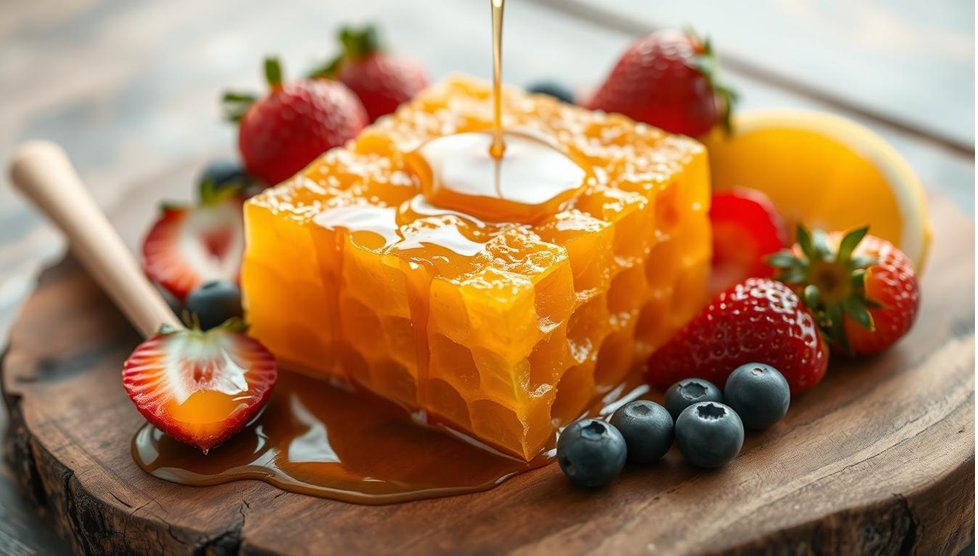
How to Eat Honeycomb: A Sweet Natural Treat
Key Takeaways
- Honeycomb enhances cheese boards and gourmet food experiences.
- Pairing honeycomb with fruits and nuts provides a health-conscious snack option.
- Using honeycomb in baked goods increases their perceived value.
- Honeycomb is edible and can be enjoyed with various food pairings.
- Storage in an air-tight container helps preserve its quality.
- Responsible sourcing of honeycomb supports local beekeepers.
Introduction to Honeycomb
Honeycomb is a fascinating creation of bees, showcasing nature's delicacy in its golden, waxy structure. This unique food product serves as both a storage facility for bees and a delightful treat for humans. The introduction to honeycomb expands beyond mere consumption; it reveals a complexity that enhances culinary experiences. Raw honeycomb is not just edible but packed with natural benefits that appeal to many.
Honeycomb is known for its rich, chewy texture and can be enjoyed in various forms. It offers a sweet flavor that pairs well with numerous dishes. Furthermore, honeycomb does not expire when stored properly, allowing enthusiasts to savor this exquisite delicacy for an extended period.
The nutritional profile of honeycomb suggests that it may provide health benefits, such as supporting a higher metabolism and reducing bad cholesterol. Many people are exploring ways to incorporate honeycomb into their diets, adding both taste and health benefits.
- Unique food product created by bees
- Rich in flavor and texture
- Health benefits linked to consumption
- No expiration when stored correctly
What is Honeycomb?
Honeycomb is a delightful natural product crafted from beeswax, forming intricate hexagonal cells. These structures serve various essential purposes in a beehive, primarily for storing honey, pollen, and nurturing larvae. What is honeycomb, exactly? It represents one of the most raw forms of honey, providing a unique taste experience that showcases the labor of honeybees.
The honeycomb composition includes edible beeswax and liquid honey, creating a chewy texture that many enjoy. While some individuals prefer to chew through this waxy layer, others may choose to spit it out, depending on personal taste. Each bite reveals honey in its purest form, enriched with natural flavors influenced by the local flora.
Honeycomb not only serves as a treat on its own but also pairs wonderfully with various foods. It enhances the flavors of cheese and crackers while complementing cured meats like prosciutto and dried sausages. Unique culinary applications include using honeycomb as a topping on pizza, offering an unexpected sweetness, or garnishing dishes to elevate their visual appeal and taste.
The versatility of honeycomb extends to snacks, effortlessly combining with green apples, grapes, walnuts, and other crunchy nuts. As an ingredient, honeycomb shines when used in desserts or cocktails, presenting itself as a stunning garnish. Its entirely edible structure, which includes honey, pollen, and royal jelly, highlights the nutritional benefits of consuming raw honeycomb, acclaimed for its high enzyme, vitamin, and mineral content.
How to Eat Honeycomb: A Beginner's Guide
Eating honeycomb can transform a typical snack into an enjoyable experience. Consider engaging with the honeycomb texture as you savor its natural sweetness. It's not only delicious but also versatile, inviting you to explore various pairing options that enhance its flavor.
Simple Ways to Enjoy Honeycomb
There are many simple ways to enjoy honeycomb. Here are a few ideas to elevate your honeycomb-sampling experience:
- Take a spoonful of honeycomb and enjoy it straight from the comb for a pure taste.
- Spread honeycomb on your favorite crackers or toast to create a delightful appetizer.
- Pair it with cheese on a charcuterie board, adding a rich, sweet contrast.
- Incorporate honeycomb into yogurt or oatmeal for a tasty breakfast treat.
- Use it as a topping for fruits like apples or pears for added sweetness.
Understanding the Wax Structure
The wax structure in honeycomb plays a significant role in the overall enjoyment. While the wax is chewy and edible, individuals may choose to chew it and then discard it based on personal preference. This understanding can enhance the experience of how to eat honeycomb, allowing you to appreciate both the honey and the texture without reservation.
Honeycomb Nutritional Value
Honeycomb stands out not only for its delightful taste but also for its remarkable nutritional value. Each ounce contains about 115 calories, boasting an impressive balance of carbohydrates, proteins, and essential vitamins and minerals. This makes it a great alternative to processed sugars.
Health Benefits of Raw Honeycomb
Raw honeycomb is packed with health benefits. Its raw honeycomb benefits stem from its ability to protect the liver from damage linked to toxins and fatty liver disease. Additionally, this natural sweetener showcases strong antibacterial, antifungal, and antioxidant qualities, which enhance immune health and reduce inflammation. Notable vitamins found in honeycomb include Vitamins A, C, B6, B12, D, and E, contributing to overall well-being.
Calories and Nutrient Breakdown
Understanding the calorie breakdown of honeycomb reveals its value as a low-GI food with a glycemic index ranging from 33 to 55. This makes honeycomb suitable for those managing diabetes. It offers important minerals like calcium, iron, magnesium, and zinc, promoting various health functions.
|---------------|--------------------------------| | Nutrient | Amount per Ounce | | Calories | 115 | | Carbohydrates | 27 g | | Protein | 1.5 g | | Vitamins | A, C, B6, B12, D, E | | Minerals | Calcium, Iron, Magnesium, Zinc |
Types of Honeycomb
The world of honeycomb offers a delightful array of types of honeycomb influenced by the floral sources where bees gather nectar. Each variety presents unique flavors and attributes. For instance, wildflower honeycomb tends to provide a complex taste profile, thanks to the diverse range of flowers visited by bees. Conversely, clover honeycomb often has a milder, sweeter flavor that many find appealing.
Another popular variety, orange blossom honeycomb, captures the essence of citrus blossoms, delivering a bright and refreshing taste. These honeycomb varieties can greatly vary in appearance and texture, depending on local factors such as climate and flora. Such diversity not only enhances the enjoyment of eating honeycomb but also invites enthusiasts to explore different options and discover personal favorites.
Raw honeycomb, known for its pure, unfiltered quality, retains essential nutrients, including enzymes, vitamins, and minerals. The beeswax, forming the hexagonal structures, is entirely edible and adds a delightful textural nuance. Nate's, for example, celebrates local beekeepers across the U.S. and worldwide, offering pure, raw honeycomb sourced directly from the hive
Honeycomb Flavor Profiles
The taste of honeycomb is a delightful journey influenced by various elements. Each honeycomb flavor profile reveals a unique tapestry woven from the flora present around beehives. The bees' diet plays a pivotal role, as they collect nectar from surrounding plants and flowers. As a result, honeycomb can exhibit an array of flavors ranging from floral to earthy, and even fruity.
Factors Affecting Flavor
Several factors impact the distinct honeycomb flavor profiles. Notably, the color of the honey can provide insights into its intensity:
- Darker honey exhibits stronger, more robust flavors.
- Lighter varieties offer a more delicate and nuanced taste.
Other factors influencing flavor include:
- The types of flowers visited by bees, leading to subtle floral undertones.
- The environment in which bees thrive, affecting overall aroma.
- The physical characteristics of honeycomb, which include texture descriptions like buttery and velvety.
The complexity of flavors extends to various notes, such as earthy, grassy, and warm fruity hints like caramel, pineapple, or dried citrus. The enduring sweetness of honeycomb is complemented by a satisfying crunch of its waxy cells.
Highlighting Local Varietals
Exploring local honeycomb varietals allows consumers to appreciate the distinct flavors that arise from specific regions. Different areas can showcase unique characteristics that reflect their local flora. For example, honeycomb from an area rich in clover may exhibit clover notes, while another from a region with abundant wildflowers might convey floral aromas.
The cultural aspect of honeycomb consumption emphasizes its role as not merely a sweetener but as an experience. From its rich indulgence to its subtle flavor nuances, honeycomb becomes a flavorful addition to items like cheese or charcuterie boards.
|--------------------|---------------------|----------------------------| | Flavor Profile | Color Intensity | Characteristics | | Floral | Lighter | Subtle, delicate | | Earthy | Darker | Rich, robust | | Fruity | Varied | Pineapple, citrus, caramel | | Sweet | All varieties | Indulgent, satisfying |
Delicious Honeycomb Recipes
Integrating honeycomb into your meals opens a world of culinary creativity. From sweet breakfasts to savory snacks, honeycomb adds a unique touch. Its compatibility with various flavors makes it a versatile ingredient.
Pairing Honeycomb with Cheese
Pairing honeycomb with cheese creates a delightful contrast. The sweet, floral notes of honeycomb beautifully complement the rich, savory flavors of cheese. Darker varieties like blue cheese or salty cheeses such as Pecorino work exceptionally well. Creating a stunning charcuterie cheese board featuring honeycomb invites guests to experience the delightful balance of flavors. Consider the following pairings:
|-----------------|--------------------------------------|----------------------------| | Cheese Type | Description | Best Honeycomb Pairing | | Blue Cheese | Rich and tangy with a creamy texture | Wildflower Honeycomb | | Pecorino | Salty and hard with herbal notes | Gallberry Honeycomb | | Brie | Soft, buttery, and mild | Tupelo Honeycomb |
Unique Ways to Use Honeycomb in Cooking
Cooking with honeycomb introduces new flavors and textures. Raw honeycomb is perfect for enhancing everyday dishes. It offers a delicious addition to salads and desserts, while its versatility continues to expand with creative recipes. Here are some crowd-pleasing options:
- Raw Honeycomb Protein Pancakes -- Combine honeycomb into your morning pancakes for a sweet kick of flavor and protein.
- Raw Honeycomb Carrots -- Roast carrots with honeycomb for a delightful blend of caramelized sweetness.
- Deceptively Easy Dark Chocolate Honeycomb -- Coat honeycomb in dark chocolate for a rich treat.
- Raw Honeycomb Yogurt Parfait -- Layer Greek yogurt, honeycomb, fresh fruits, and nuts for a nutritious breakfast or snack.
- Raw Honeycomb and Berry Chilled Salad -- Toss fresh berries with pieces of honeycomb for a refreshing summer salad.
- Avocado Toast with Raw Honeycomb -- Drizzle honeycomb over avocado toast for a delightful brunch option.
When experimenting with honeycomb recipes, remember that heating may reduce its beneficial properties. Thus, incorporating honeycomb in its raw form allows you to enjoy its natural enzymes and health benefits fully. Embrace the delicious world of honeycomb by trying out these creative and flavorful dishes.
Harvesting Honeycomb Responsibly
Responsible harvesting of honeycomb is crucial in supporting healthy bee populations and ensuring the long-term sustainability of beekeeping practices. Beekeepers who prioritize the well-being of their hives contribute significantly to the ecosystem. This section delves into the essential aspects of harvesting honeycomb and offers guidance for choosing quality honeycomb from beekeepers.
Choosing Quality Honeycomb from Beekeepers
When choosing quality honeycomb, it is vital to support local beekeepers who adhere to sustainable practices. Here are several key factors to consider:
- Organic Methods: Look for honeycomb sourced from beekeepers who utilize organic farming practices. These methods promote healthier bee populations and reduce exposure to harmful pesticides.
- Responsible Harvesting: Quality honeycomb is harvested without harming the hive. Beekeepers who respect their bees typically take only excess honey, ensuring enough resources remain for the winter months.
- Natural Beekeeping: Seek out beekeepers dedicated to natural methods that allow bees to thrive in their natural behavior while minimizing stress.
- Local Support: Choosing local honeycomb not only aids the local economy but often provides a fresher and tastier product.
Purchasing from responsible beekeepers plays a critical role in maintaining the health of bee populations, particularly as global honey bee numbers struggle to survive. Supporting sustainable practices in beekeeping helps foster environments where bees can flourish, leading to benefits for both consumers and the ecosystem.
Storage and Longevity of Honeycomb
Maintaining the freshness and flavor of honeycomb is essential for enjoying its natural sweetness. Proper storage techniques contribute significantly to the longevity of this delectable treat. Understanding how to store honeycomb correctly can ensure that its quality remains intact for an extended period.
How to Store Honeycomb Properly
The storage of honeycomb is quite simple. Follow these best practices to prolong its life:
- Keep honeycomb in a sealed glass container to avoid moisture exposure.
- Store in a dark, dry spot at room temperature to maintain its texture and flavor.
- Avoid exposure to direct sunlight or heat, as this can alter color and taste.
Honeycomb can last for years due to the pure honey sealed within the beeswax cells, which generally does not expire. Crystallization is a natural process over time but does not indicate spoilage. If you notice crystallization, warm water can gently thaw or decrystallize the honey without compromising its quality.
Freezing Honeycomb for Long-Term Use
If you have a larger quantity of honeycomb and want to preserve it, consider freezing honeycomb. This method can maintain its flavor and texture effectively. Here are tips for freezing:
- Cut honeycomb into smaller portions for easy use later.
- Wrap each piece securely in plastic wrap, then place it in an airtight freezer bag.
- Label and date each bag to track storage times.
When ready to use frozen honeycomb, thaw it gradually in the refrigerator. Avoid drastic temperature changes, which can impact the honeycomb's original quality. Many people relish honeycomb in various culinary applications, making it a versatile addition to any kitchen.
By mastering the storage of honeycomb and understanding how to store honeycomb properly, you can enjoy its unique flavors and health benefits for a long time.
|--------------------|---------------------------------|--------------------------------------------------------| | Storage Method | Duration | Key Points | | Room Temperature | Indefinite (if properly sealed) | Avoid moisture and direct sunlight. | | Refrigeration | Several months | Can expedite crystallization. | | Freezing | Up to 1 year | Wrap portions to preserve texture. Thaw in the fridge. |
Conclusion
In summary, honeycomb is a remarkable natural snack that offers an array of benefits of honeycomb. Its unique composition, combining raw honey and beeswax, provides a wealth of antioxidants and essential nutrients that are beneficial for overall health. By incorporating honeycomb into your diet, you can enjoy its delightful flavors while reaping significant health rewards.
Whether you choose to spread it on toast, use it as a sweetener, or add it to various recipes, learning how to incorporate honeycomb in your diet is easy and rewarding. Its potential to lower cholesterol levels, improve heart health, and provide anti-inflammatory effects make it a standout option for anyone looking to enhance their wellness.
As you explore this sweet natural treat, consider sourcing honeycomb from local beekeepers. Not only do you receive a fresher product, but you also support sustainable practices and promote biodiversity within your community. Embrace the joy of honeycomb and enjoy all it has to offer!
FAQ
How do I eat honeycomb safely?
To eat honeycomb safely, ensure you source it from reputable beekeepers who practice responsible harvesting. Start by taking small pieces and chewing thoroughly to enjoy its flavor and texture before considering whether to swallow the wax or discard it. If you're allergic to bees or honey, consult with a healthcare provider before consuming.
What is the nutritional value of honeycomb?
Honeycomb contains approximately 115 calories per ounce, along with 27 grams of carbohydrates and 1.5 grams of protein. It's also rich in vitamins, antioxidants, and other beneficial compounds like bee pollen and propolis, contributing to its health benefits.
What types of honeycomb are there?
Common types of honeycomb include wildflower, clover, and orange blossom honeycomb. The flavor and texture of honeycomb can vary significantly depending on the local flora from which bees collect nectar.
How does honeycomb differ from honey?
Honeycomb consists of the waxy structure built by bees to store honey, pollen, and larvae, while honey is the sweet substance that fills these hexagonal cells. Honeycomb includes edible wax along with honey, offering a unique texture experience.
Can honeycomb be used in recipes?
Yes! Honeycomb can be used in various recipes. It pairs wonderfully with cheese, enhances desserts, or can be drizzled over roasted fruits. Its versatility makes it a delightful addition to both sweet and savory dishes.
How should I store honeycomb to keep it fresh?
To store honeycomb properly, keep it in a sealed container at room temperature, away from moisture. For longer storage, you can freeze it, ensuring to allow it to thaw gradually to maintain its flavor and texture.
What are the health benefits of raw honeycomb?
Raw honeycomb offers numerous health benefits, including antimicrobial properties that support digestion and metabolism. It is also packed with vitamins, minerals, and antioxidants, making it a nutritious addition to your diet.
What factors affect the flavor profiles of honeycomb?
The flavor of honeycomb is influenced by the types of flowers from which bees collect nectar, resulting in variations that can be floral, fruity, or earthy. Local environmental conditions also play a role in shaping these unique flavors.
Where can I find quality honeycomb to purchase?
You can find quality honeycomb at farmer's markets or health food stores. Look for honey from local beekeepers who prioritize sustainable practices and proper hive care to ensure high-quality products.
Source Links
- How to eat honeycomb - https://www.geesbees.ca/post/how-to-eat-honeycomb?srsltid=AfmBOopzKl-n20TKTsw0Gj6mNjkryU_MYM1mYsmLnkivj1eo5yxxpBxg
- How to Eat Honeycomb: Perfect Food Pairings - Carolina Honeybees - https://carolinahoneybees.com/how-to-eat-honeycomb/
- Honeycomb is Edible. But How Should You Eat It? - https://ashevillebeecharmer.com/honey-tips/honeycomb-edible/
- Honeycomb: One of Nature's Most Beautiful and Useful Structures - https://bestbees.com/2022/11/21/honeycomb/
- How to eat comb honey: a unique taste treat - https://www.honeybeesuite.com/how-to-eat-comb-honey/
- How to eat honeycomb - https://www.geesbees.ca/post/how-to-eat-honeycomb?srsltid=AfmBOooVc3mjg59vKHFfO3av1IaOwFFlffqVMdug2xJTwcVAye_ujU2w
- Can You Eat Honeycomb? | Honey Education at Saratoga Tea & Honey - https://www.saratogateaandhoney.com/blogs/honey-education/can-you-eat-honeycomb?srsltid=AfmBOopZe_s6quvEgHzba2up8Y22sS3xkdmQ3RkW5XCtV60Kfulm4Ngq
- Is Honeycomb Edible and How - Smiley Honey - https://www.smileyhoney.com/blogs/wellness/is-honeycomb-edible?srsltid=AfmBOoqIWhFFzrnkcL2Rf8fpdbaLrxF08sDa_eTBgej1ZvMNsZeCwoe9
- 10 Benefits of Eating Raw Honeycomb | Pass The Honey - https://freshhoneycomb.com/blogs/the-buzz/10-benefits-of-eating-raw-honeycomb
- The Incredible Health Benefits of Raw Honeycomb - https://australianbeeproducts.com.au/blogs/news/the-benefits-of-raw-honeycomb?srsltid=AfmBOoqK7WphFHG-YI-whneLUbhwLI-UId81q-_2S-zeM5COziNnh9Tp
- 5 Creative Ways To Use Honeycomb | Honey Facts | Nature Nate's - https://www.naturenates.com/lets-talk-honey-comb/
- Can You Eat Honeycomb? | Honey Education at Saratoga Tea & Honey - https://www.saratogateaandhoney.com/blogs/honey-education/can-you-eat-honeycomb
- Taste and Flavor Profile - https://freshhoneycomb.com/blogs/about-honeycomb/taste-and-flavor-profile
- Can You Eat Honeycomb? - https://www.webstaurantstore.com/blog/4984/can-you-eat-honeycomb.html?srsltid=AfmBOoqZujKkEzloF9pGwjhE9jxRUokYR5eMdWFW_p2WBB9GTH35IJxY
- 11 Healthy Recipes To Make With Raw Georgia Honeycomb - https://builtbybees.com/blog/healthy-recipes-to-make-with-raw-georgia-honeycomb/
- How To Eat Honeycomb - https://www.penandhive.com/2018/02/how-to-eat-honeycomb.html
- Honeycomb Recipe from Flow Hive Honey - https://forum.honeyflow.com/t/honeycomb-recipe-from-flow-hive-honey/32164
- Why Eating Pass the Honey Honeycomb is Good for Bees - https://freshhoneycomb.com/blogs/the-buzz/why-eating-pass-the-honey-honeycomb-is-good-for-bees
- Can You Eat Honeycomb? - https://beeinspiredgoods.com/blogs/honey-recipes/eating-honeycomb?srsltid=AfmBOooInEuZNAvxxIDWD3SGh75iTfeEljo6JusIwbYq0HehhQ_A3Pq-
- The Secret Life of Honeycomb - https://www.redbee.com/single-post/2017/07/16/honeycomb-confetti-toast
- 12 Top Facts About Honeycomb - https://www.scottishbeecompany.co.uk/blogs/news/top-facts-about-honeycomb?srsltid=AfmBOoolzQj5LH1xTal63UauiOuMTTDWyDqXGAPODT6kIyfum7cQwsqP
- Can You Eat Honeycomb? - https://beeinspiredgoods.com/blogs/honey-recipes/eating-honeycomb?srsltid=AfmBOooiHwfHQ7VzzMGdrAdB-dUl_lVglJrdu0mHJ-EcFFbIra2BNeFt
- Storage Tips To Extend the Life of Your Honeycomb - https://crystalsrawhoney.com/blogs/news/storage-tips-to-extend-the-life-of-your-honeycomb
- Can You Eat Honeycomb? Benefits, Uses, and Dangers - https://www.healthline.com/nutrition/raw-honeycomb
- Can you eat it? The Many Health Benefits of Eating Raw Honeycomb --- My Dad's Honey Echuca - Australian Certified Organic Honey - https://www.mydadshoney.com.au/blog/honeycomb-benefits
"