
How to Get Super Glue off Skin - Safe Removal Tips
Super glue can stick to your skin quickly, making it hard to deal with. This article shows you how to safely remove it using common items and methods. We'll look at steps, using warm soapy water, oils, and acetone, and talk about safety and when to see a doctor.
Key Takeaways
- Soak skin in warm soapy water or use a warm compress for about 10 minutes to soften super glue<>
- Apply acetone nail polish remover or lemon juice to remove leftover glue, but be careful around sensitive areas<>
- Use rough materials like coarse salt, an emery board, or a pumice stone to gently scrape off dried glue<>
- Stay away from super glue fumes to avoid eye and lung irritation<>
- Put on moisturizing cream after using nail polish remover to keep your skin from drying out<>
Understanding Super Glue and Its Effects on Skin
Super glue, also known as cyanoacrylate, is a strong adhesive that bonds quickly. It's great for DIY projects and industrial uses. But, it can be a problem if it gets on your skin.
What Makes Super Glue So Adhesive
Super glue's strength comes from its chemical makeup. When it meets water, like skin moisture, it quickly forms a strong bond. This bond is hard to break<>.
Common Situations Leading to Skin Contact
Super glue accidents can happen in many places. This includes DIY projects, home repairs, and work. Spills and accidental touches can cause it to stick to your skin<>.
Initial Reactions When Super Glue Touches Skin
When super glue touches your skin, it can cause an immediate reaction. It can make your skin stick to things. It might also react with cotton, causing burns<>.
""Super glue is a powerful adhesive that can create an incredibly strong bond in seconds, but when it accidentally comes into contact with skin, it can lead to a range of unpleasant effects and challenges in removal.""
It's important to act fast if super glue gets on your skin. Trying to pull it off can hurt more and cause blisters<>.
Most people are okay if a little super glue gets on their skin. But, some might be allergic and get contact dermatitis<>. If it gets in your eyes, nose, or mouth, see a doctor right away<>.
If you can't get the super glue off, wait a few days. The skin will shed, taking the glue with it<>. This way, you avoid more irritation and damage.
How to Get Super Glue off Skin: Basic Steps
When super glue sticks to your skin, it's crucial to act fast and safely. You want to use gentle methods that won't hurt your skin more. Here's how to remove super glue from your hands or body:
- Remove any affected clothing or accessories. This stops the glue from spreading or touching more skin.
- Put acetone, like nail polish remover, on the stuck area and let it sit for a few minutes<>. It can break down the glue.
- Slowly pull the skin apart, like taking off a bandage. Don't pull too hard, as it might hurt your skin<>.
- Wash the area well with warm, soapy water to get rid of any glue left<>.
- Use lotion to moisturize the skin and prevent dryness and irritation<>.
If these steps don't work, you might need to try other methods like lemon juice or a product like Krazy Fix<><>. Always be gentle and patient when removing super glue from your skin.
Over 5,458,383 people have read about how to get super glue off skin <>. By following these steps, you can safely and effectively remove super glue without harming your skin.
Safe Methods Using Household Items
You don't need special products to remove super glue from your skin. Many household items can break down the glue safely<>.
Warm Soapy Water Method
Soaking the area in warm, soapy water is a simple fix. The warmth softens the glue, and the soap dissolves it. Rub gently and then rinse well<>.
Oil-Based Solutions
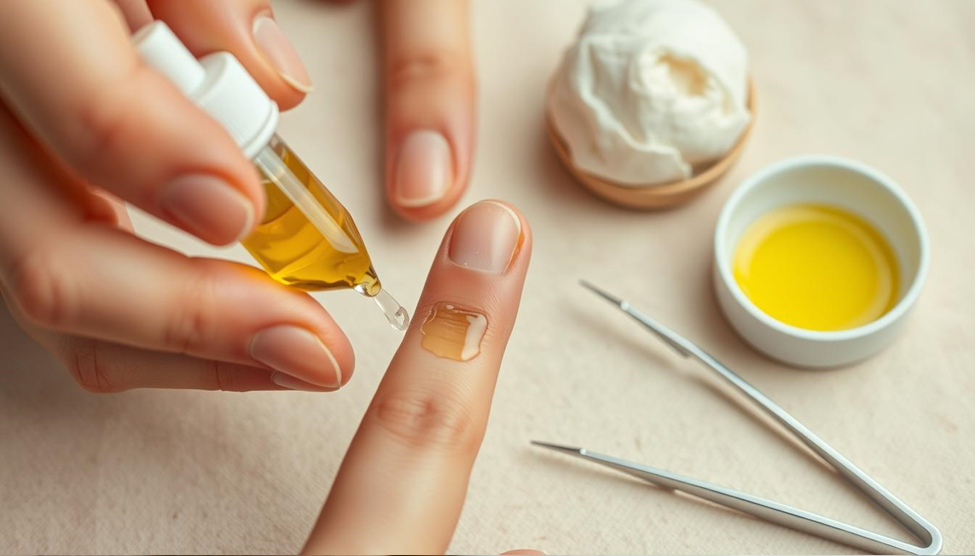
Oil-based products can also work. Use hand lotion, mineral oil, or petroleum jelly on the area. Massage it in to loosen the glue<>. This method is gentle but make sure to clean the skin well after<>.
Natural Alternatives
Try soaking the area in warm water first. Then, gently peel or roll the skin apart. The heat and moisture weaken the glue, making it easier to remove. You can also use coarse salt or an emery board to gently remove the glue<><>.
When removing super glue, be gentle and patient. Avoid harsh chemicals or too much force to prevent skin damage. Using household items and natural methods can safely remove the glue from your skin<>.
Using Acetone and Nail Polish Remover
Acetone in nail polish removers can help remove super glue from your skin<>. It breaks the strong bond between the glue and your skin<>. Nail polish remover, with its acetone, is good because it also prevents skin irritation<>.
But, use acetone carefully<>. It can dry out and irritate your skin. Use only a little and avoid mixing it with other chemicals<>. After removing the glue, wash the area well and moisturize to prevent damage<>.
Nail polish remover and 100% pure acetone can also remove super glue from fabrics<>. This clear solution won't stain or change the fabric's color<>. But, acetone can damage wood finishes, so use it carefully<>.
If you're worried about using acetone on delicate items, try mineral oil first<>. Goo Gone is another option, but it might take longer and isn't always effective<>.
|-----------------------------|------------------------------------------| | Household Product | Effectiveness in Removing Super Glue | | Acetone/Nail Polish Remover | Highly effective | | Rubbing Alcohol | Effective | | Vinegar | Effective | | Sandpaper | Effective | | Nail File/Emery Board | Effective | | Coconut Oil and Baking Soda | Effective | | Hot Soapy Water | Effective |
Some household products like vinegar can remove super glue but might damage certain materials<>. Also, don't use super glue on items like fine china or antiques. They should be fixed by experts<>.
In summary, acetone-based products like nail polish remover are good for removing super glue from skin<>. But, be careful when using it on delicate surfaces<>. Knowing the pros and cons of different methods helps you safely deal with super glue issues<><>.
Acetone can be effective but can burn skin, especially on cotton<>. If super glue stays on skin for days or causes a rash, see a doctor<>. Trying to pull apart skin stuck with super glue can tear it<>.
If super glue gets on lips or in the mouth, wash with warm water<>. If lips stay stuck, get medical help<>. Burns from super glue can be treated by washing, applying antibiotic ointment, and using a sterile dressing<>.
""Acetone is a preferred product for removing super glue as it is effective in breaking the bond between the glue and various surfaces such as skin, clothes, and furniture.""
Dealing with Super Glue in Sensitive Areas
Super glue can be tricky when it gets on sensitive skin like the lips, eyes, or face<>. It's made to bond quickly with materials like plastic, rubber, and wood<>. But, it can be hard to remove from delicate areas.
Removing Super Glue from Lips
To remove super glue from your lips, wash the area with warm, soapy water<>. Then, gently peel the glue apart<>. Don't swallow the glue, as it's harmful if ingested<>. With patience, the glue should come off in a few minutes.
Emergency Steps for Eye Contact
If super glue gets in your eyes, act fast and get medical help right away<>. Rinse your eyes with warm water for a few minutes<>. Don't try to remove the glue yourself to avoid more damage. Seeing an eye doctor quickly is key to avoid serious problems.
Handling Facial Skin Exposure
When super glue hits your face, use gentle methods to remove it<>. Try warm water, oil-based solutions, or natural stuff like baking soda and vinegar<>. These can help loosen the glue so you can peel it off slowly<>. If the glue stays or irritates your skin, get medical help to avoid bigger issues.
Removing super glue from sensitive areas needs caution, patience, and the right techniques<>. By following these steps, you can safely take off the glue without hurting your lips, eyes, or face.
Prevention and Safety Measures
Preventing super glue accidents on the skin is key<>. Super glue bonds materials like plastic and wood fast<>. It can cause burns if it touches cotton, leading to red, blistery skin<>. So, keep super glue away from kids and treat it like any other chemical.
Work in a well-ventilated area when using super glue<>. It hardens with water, alcohol, or blood<>. Wearing gloves can also prevent skin contact<>. If you do get super glue on your skin, follow the steps in this article to avoid irritation.
Prevention is the best way to avoid super glue accidents<>. By following safety tips, you can use super glue safely<>. If super glue stays on skin for days or causes a rash, see a doctor<>.
""An ounce of prevention is worth a pound of cure when it comes to super glue accidents on the skin.""
Understanding Super Glue Burns and Reactions
Super glue, also known as cyanoacrylate adhesive, is a strong bonding agent. It can stick to skin if not used carefully<>. When it touches skin, especially with cotton, it can cause chemical burns<>. These burns show as redness, blisters, and a lot of pain.
Identifying Chemical Burns
Chemical burns from super glue are easy to spot. The skin looks red, swollen, and has blisters<>. Some people might also get an allergic reaction called contact dermatitis. This shows up as a rash a few days later<>.
Treatment Options
If you get a super glue burn, start by washing it with warm, soapy water<>. This helps get rid of the glue and reduces damage. Then, put a thin layer of antibiotic ointment on it and cover it with a sterile dressing<>.
For bigger or more serious burns, you need to see a doctor<>. They can give you stronger treatments, like special creams or medicines, to help heal the burn and any other problems.
Remember, don't use sharp objects, too much force, or harsh chemicals like acetone on the burn<>. Instead, try gentler ways to remove the glue, like soaking in warm water or using oil-based solutions<>.
Knowing the risks and how to treat them helps you deal with super glue burns safely. This way, you can avoid more serious problems<><>.
When to Seek Medical Attention
If super glue gets on your eyes, nose, mouth, or sensitive spots like your face, get help right away<>. These are serious situations that need quick medical help to avoid more problems<>.
Also, see a doctor if you get a rash, have bad skin irritation, or if the glue won't come off after a few days<>. Warm, soapy water can help remove super glue from your skin<>. But, be careful with acetone or rubbing alcohol because they can hurt your skin<>.
If you hurt your skin trying to get rid of the super glue, watch for signs of infection like redness, swelling, or pain<>. If you see these signs, get medical help to avoid more issues and get your wound taken care of.
|------------------------------------------------------------------------|---------------------------------------------------------------------| | Situation | Recommendation | | Super glue contact with eyes, nose, mouth, or face | Seek immediate medical attention | | Rash, severe skin irritation, or glue remains for more than a few days | Consult a doctor | | Broken skin while removing super glue | Monitor for signs of infection and seek medical attention if needed |
When dealing with super glue, it's safer to be cautious and get medical advice if you're worried or have a bad reaction<>. Your safety is the most important thing when using this strong adhesive<>.
""Super glue was designed to be a very strong adhesive that creates a bond quickly, sealing various materials like plastic, rubber, and wood.""<>
Conclusion
Dealing with super glue on skin can be frustrating. But, with the right knowledge, it can be fixed. You can use warm soapy water, oils, or acetone-based removers to safely remove it<><><>.
It's important to be patient and avoid using force. Super glue is very sticky, so it might take time to get it off. If you're worried or have a bad reaction, see a doctor<>.
By knowing how to remove super glue, you can keep your skin safe and healthy. Understanding super glue and how to remove it will help you in the future<><>.
FAQ
What are the basic steps to remove super glue from skin?
First, remove any clothes that got stuck. Then, put acetone or warm, soapy water on the area. Gently pull the skin apart like a bandage.
Next, wash the area with soap and water. Finally, apply lotion to keep the skin moist.
What household items can effectively remove super glue from skin?
You can use warm, soapy water or oil-based solutions like hand lotion. Mineral oil, petroleum jelly, or vegetable oil also work. Gently peeling or rolling the skin apart after soaking in warm water can also help.
How does acetone work to remove super glue from skin?
Acetone, found in nail polish removers, is good for removing super glue. Apply a small amount and rub gently. But, it can dry out and irritate the skin, so use it carefully.
How should I handle super glue contact with sensitive areas like lips, eyes, and facial skin?
For lips, wash with warm water and gently peel apart. Don't swallow any glue. If it gets in your eyes, flush with warm water and see a doctor right away. Don't try to open your eyes.
For facial skin, use warm water or oil-based solutions. They are gentler.
What are the potential risks and reactions from super glue exposure on skin?
Super glue can cause chemical burns, especially on cotton. It can lead to redness, blistering, and pain. Some people might get an allergic reaction called contact dermatitis, showing up as a rash a few days later.
When should I seek medical attention for a super glue incident?
Get medical help right away if super glue gets in your eyes, nose, or mouth. Also, see a doctor if you get a rash, have severe skin irritation, or if the glue doesn't come off after a few days. If you break the skin while trying to remove the glue, watch for signs of infection.