
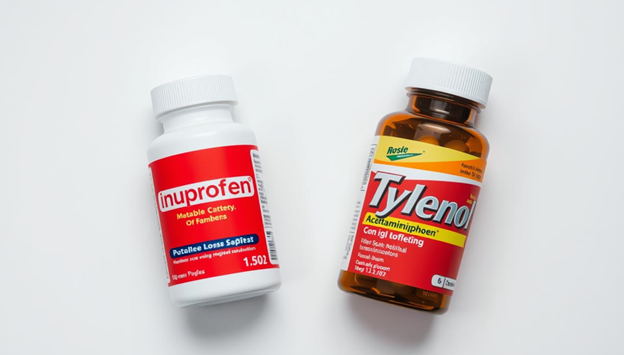
Ibuprofen and Tylenol: Is It Safe to Take Them Together?
Ibuprofen and Tylenol: Is It Safe to Take Them Together?
Many people turn to over-the-counter medications for pain relief. Two of the most popular options are ibuprofen and acetaminophen. These drugs are widely used and FDA-approved, but questions often arise about their safety when taken in combination.
Studies suggest that using both medications together can improve acute pain management. This approach is especially common in scenarios like post-surgery recovery or severe migraines. However, it's essential to understand the potential risks and benefits.
Before considering this combination, factors like dosage limits, timing, and individual health conditions must be carefully evaluated. This article explores these aspects to help users make informed decisions about their pain relief options.
Introduction to Ibuprofen and Tylenol
When managing discomfort, acetaminophen and ibuprofen are two widely trusted OTC options. Both medications are effective for pain relief, but they work in different ways. Understanding their unique properties can help users make informed choices.
Acetaminophen, known as Tylenol, targets the nervous system to alleviate pain and reduce fever. It's commonly used for headaches, mild aches, and fevers. Unlike other pain relievers, it doesn't have anti-inflammatory properties.
Ibuprofen, an NSAID sold under brands like Advil and Motrin, reduces inflammation. It's particularly effective for conditions like menstrual cramps, joint pain, and muscle soreness. Its anti-inflammatory action sets it apart from acetaminophen.
These medications are often considered complementary because they address pain through different mechanisms. Acetaminophen focuses on the brain's pain signals, while ibuprofen tackles inflammation at the source. This makes them suitable for staggered use in certain situations.
It's important to note that "together" refers to alternating doses, not taking them simultaneously. This approach can provide extended relief while minimizing potential side effects. Always follow dosage guidelines and consult a healthcare provider if unsure.
|----------------|-----------|--------------------|-----------------| | Medication | Type | Primary Use | Brand Names | | Acetaminophen | Analgesic | Pain, Fever | Tylenol | | Ibuprofen | NSAID | Pain, Inflammation | Advil, Motrin |
How Ibuprofen and Tylenol Work
Pain relief medications target different pathways in the body to alleviate discomfort. Understanding their mechanisms can help users make informed decisions about their use. Let's explore how these two popular options function.
Mechanism of Ibuprofen
Ibuprofen belongs to the class of nsaids , which work by inhibiting COX-1 and COX-2 enzymes. These enzymes are responsible for producing prostaglandins, chemicals that cause inflammation and pain. By blocking their production, ibuprofen reduces inflammation at the source.
This makes it particularly effective for conditions like joint pain or muscle soreness. However, its action on the kidneys means users with kidney disorders should exercise caution.
Mechanism of Tylenol
Acetaminophen, commonly known as Tylenol, works differently. It targets the central nervous system, specifically the COX pathways in the brain. This action lowers pain perception without reducing inflammation.
Because the liver metabolizes acetaminophen, individuals with liver disease should use it carefully. Its unique mechanism makes it a go-to option for headaches or mild aches.
"Ibuprofen fights the fire at the source, while Tylenol dampens the smoke alarm."
This analogy highlights their distinct approaches. Combining their efficacy can provide comprehensive relief, but users must consider their health conditions, especially liver or kidney issues.
Is It Safe to Take Ibuprofen and Tylenol Together?
Combining medications for pain relief is a common practice, but safety is a top concern. According to the Cleveland Clinic, alternating doses of these two drugs every 4-6 hours is generally considered safe. This method allows for continuous pain management without exceeding daily dosage limits.
A 2021 JAMA study supports this approach, showing that using both medications together is safer than opioids for post-surgery pain. This research highlights the effectiveness of this combination while minimizing risks. However, it's crucial to avoid taking them at the same time. The rule of thumb is: "Alternate, don't mix."
Despite their compatibility, certain exceptions exist. Individuals with chronic liver or kidney disease, pregnant women, and those who consume alcohol regularly should avoid this method. Consulting a doctor is essential to ensure it's appropriate for your health.
"Alternating doses can provide effective relief, but always prioritize safety and professional guidance."
For example, Sarah, a 34-year-old, safely managed wisdom tooth extraction pain by alternating doses. Her experience underscores the importance of following medical advice and dosage guidelines. Always consult a healthcare provider before starting any new pain management regimen.
Benefits of Taking Ibuprofen and Tylenol Together
Combining two medications can enhance pain management significantly. This approach, known as combination therapy, leverages the unique strengths of each drug. Studies show it can provide 25-50% better relief compared to using a single medication.
This method is particularly effective for conditions like dental procedures, sports injuries, and arthritis flare-ups. By addressing pain through different mechanisms, the drugs work synergistically to reduce discomfort more effectively.
One key advantage is the extended coverage. Ibuprofen offers relief for up to 6 hours, while acetaminophen works for 4-6 hours. Alternating doses ensures continuous pain management without gaps.
Another benefit is the reduced reliance on opioids. According to CDC guidelines, this approach is a safer alternative for managing acute pain. It minimizes the risks associated with opioid use, such as dependency and side effects.
Cost-effectiveness is also a major advantage. Over-the-counter options are often more affordable than prescription alternatives. This makes combination therapy accessible to a wider audience.
"John's back pain regimen cut his recovery time by 40% by alternating doses of these medications."
This success story highlights the practical benefits of this approach. By following proper guidelines, users can achieve better outcomes while minimizing risks.
|----------------|--------------|----------------------| | Medication | Duration | Primary Benefit | | Ibuprofen | 6 hours | Reduces inflammation | | Acetaminophen | 4-6 hours | Targets pain signals |
Risks and Side Effects
Every medication comes with its own set of risks and side effects. While they can provide relief, it's essential to understand the potential downsides. This ensures safe and effective use.
Common Side Effects
Many users experience mild reactions when taking these drugs. Nausea affects about 11% of users, while dizziness is reported by 7%. Heartburn is another common issue, especially with medications that target the stomach.
These side effects are usually temporary. However, if they persist or worsen, it's important to consult a healthcare provider. Staying hydrated and taking medications with food can help reduce discomfort.
Serious Risks
In rare cases, these drugs can lead to severe complications. Overdosing on acetaminophen causes over 500 cases of liver damage annually in the U.S. Symptoms include yellowing skin and abdominal pain.
NSAIDs, on the other hand, can lead to kidney damage or gastrointestinal bleeding. Warning signs include black stools or reduced urination. The FDA has issued boxed warnings about cardiovascular risks associated with long-term NSAID use.
"A 58-year-old patient visited the ER after combining NSAIDs with alcohol, leading to severe stomach bleeding."
This case highlights the importance of following dosage guidelines and avoiding harmful combinations. Always read labels to prevent "double dosing," such as taking NyQuil and acetaminophen simultaneously.
Guidelines for Safe Usage
Proper usage of medications ensures both effectiveness and safety. When combining two drugs, understanding the correct dosage , timing , and alternating schedule is crucial. This section provides clear guidelines to help users manage pain relief safely.
Dosage Recommendations
Adults should not exceed 4,000mg of acetaminophen or 1,200mg of ibuprofen per day. Exceeding these limits can lead to serious health risks, such as liver or kidney damage. Always check labels to avoid "extra strength" traps. For example, two Excedrin Migraine caplets contain 500mg of acetaminophen, which counts toward the daily maximum dose.
For children, weight-based dosing is essential. Liquid formulations like Children's Motrin® require careful measurement based on the child's weight. Always use the provided dosing tool and consult a pediatrician if unsure.
Timing and Alternating Medications
Alternating doses every 4-6 hours ensures continuous pain relief without overlapping medications. A 24-hour schedule might look like this:
|----------|----------------| | Time | Medication | | 8 AM | Ibuprofen | | 12 PM | Acetaminophen | | 4 PM | Ibuprofen | | 8 PM | Acetaminophen |
To avoid accidental overdosing, follow the "Write It Down" rule. Record each dose and the time it was taken. Setting phone alarms can also help maintain the correct timing.
Pharmacists recommend this method for its simplicity and effectiveness. By sticking to a clear schedule, users can manage pain safely and efficiently.
Special Considerations
Certain groups, like children and pregnant individuals, require extra caution when using pain relievers. Their unique needs and potential risks must be carefully addressed to ensure safety and effectiveness.
For Children
When it comes to children , the American Academy of Pediatrics (AAP) recommends acetaminophen as the primary option for those under 6 months of age . Ibuprofen is generally avoided unless directed by a pediatrician.
Dosing is based on body weight . For example, a 24lb toddler typically requires around 120mg of acetaminophen per dose. Always use the provided dosing tool and consult a pediatrician for precise calculations.
For Pregnant or Nursing Individuals
During pregnancy, ibuprofen is contraindicated after 20 weeks due to risks like premature closure of the fetal ductus arteriosus. Acetaminophen is often considered safer but should still be used sparingly.
For breastfeeding mothers, both medications are generally safe. However, timing is key. Taking a dose right after nursing minimizes exposure to the baby. A 2022 study linked prenatal acetaminophen use to ADHD risks, though the findings remain debated.
"Always consult your healthcare provider before using any medication during pregnancy or while nursing."
By following these guidelines, children and pregnant individuals can manage pain safely and effectively.
When to Consult a Healthcare Provider
Knowing when to seek professional advice is crucial for safe medication use. While over-the-counter drugs are convenient, certain situations require immediate attention from a doctor.
If a fever lasts more than three days or pain continues beyond ten days, it's time to consult a healthcare provider. These could be signs of an underlying condition that needs treatment.
- Projectile vomiting
- Slurred speech
- Hives covering more than 30% of the body
Hidden interactions can also pose risks. For example, Warfarin users combining NSAIDs may face a higher risk of gastrointestinal bleeding . Always disclose all medications to your doctor.
Individuals with chronic conditions like cirrhosis or chronic kidney disease (CKD) should seek personalized plans. These conditions require tailored approaches to avoid complications.
Telemedicine offers a quick way to consult a healthcare provider. Virtual appointments can address concerns without the need for an in-person visit.
"Doctor, I've been taking __mg for __ days. Is this safe?"
This script example helps patients communicate effectively during consultations. Clear information ensures accurate advice and safer medication use.
Conclusion
Staggered use of pain relief medications can be a safe usage strategy when guidelines are followed. Always adhere to dosage limits and timing to avoid risks. Checking labels for hidden ingredients in other medications is also crucial.
Non-pharmacological methods, like physical therapy or ice packs, can complement effective pain relief. These alternatives reduce reliance on medications and promote overall well-being.
Empowerment comes from informed choices. Track doses, avoid alcohol, and consult healthcare providers when needed. A simple checklist ensures safe and efficient pain management.
By staying vigilant and proactive, you can achieve effective pain relief while minimizing potential risks. Always prioritize safety and professional advice for the best outcomes.
FAQ
Can acetaminophen and ibuprofen be taken at the same time?
Yes, they can be taken together, but it's important to follow proper dosing guidelines and consult a healthcare provider to avoid potential risks.
What are the benefits of combining these two medications?
Using them together can provide more effective pain relief and reduce fever, as they work through different mechanisms in the body.
Are there any risks associated with taking both drugs?
While generally safe when used correctly, risks include stomach issues, liver damage, or kidney problems if taken in excessive amounts or for prolonged periods.
How should these medications be dosed for adults?
Adults should follow the recommended dosage on the label or as prescribed by a doctor, typically not exceeding 3,000 mg of acetaminophen or 1,200 mg of ibuprofen per day.
Can children take both acetaminophen and ibuprofen?
Yes, but dosing depends on the child's weight and age. Always consult a pediatrician before giving these medications to children.
What should pregnant or nursing individuals know about using these drugs?
They should consult their healthcare provider before using either medication, as certain risks may apply during pregnancy or breastfeeding.
How long should I wait between doses of each medication?
It's often recommended to alternate doses every 3-4 hours, but timing should be confirmed with a healthcare professional.
When should I seek medical advice about using these medications?
Consult a doctor if you experience severe side effects, have underlying health conditions, or if symptoms persist despite treatment.