
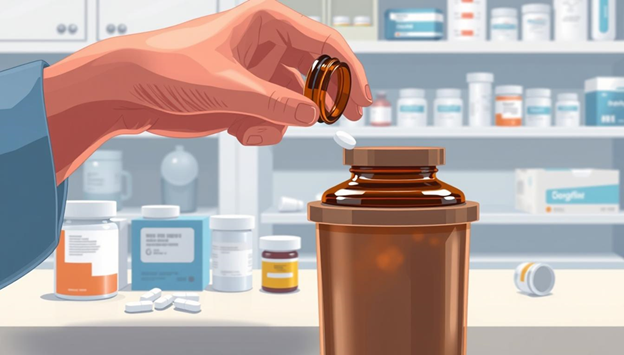
Medication Disposal: How to Dispose of Medications Safely
Properly handling unused or expired prescription drugs is essential for safety and environmental protection. When these items are thrown away incorrectly, they can pose serious risks. Accidental poisoning and harm to ecosystems are just two of the potential dangers.
To address this issue, programs like the DEA Drug Take Back Days and Walgreens kiosks offer convenient solutions. These initiatives allow people to safely dispose of their unused medications without hassle. However, when take-back options aren't available, the FDA provides guidelines for home disposal.
It's also important to check labels for specific instructions. Some drugs can be flushed, while others require special handling. Over-the-counter medications, pet prescriptions, and inhalers often need extra attention to ensure they are disposed of correctly.
By following these steps, individuals can protect their families and the environment. Proper disposal of unused drugs is a simple yet impactful way to make a difference.
Why Proper Medication Disposal Matters
Unused drugs left at home can become a source of danger if not handled properly. They can contribute to opioid misuse, with studies showing that 46% of misused opioids come from friends or family. This highlights the importance of safely removing these items from households.
Improper handling also poses risks to the environment. When drugs are thrown away incorrectly, they can enter rivers and streams through wastewater. This can harm aquatic life and affect the quality of water resources. However, research by Raanan Bloom of the FDA suggests that flushing certain recommended drugs has minimal environmental impact.
Keeping expired prescription drugs at home can also lead to legal issues. In some cases, unauthorized possession of certain medications can result in penalties. Additionally, removing these items reduces the risk of accidental pediatric poisonings, benefiting the entire community.
By addressing these concerns, individuals can protect both their health and the environment. Proper handling of unused drugs is a simple yet effective way to make a positive impact.
Medication Disposal: Drug Take Back Programs
Participating in drug take back programs is a safe and responsible way to remove unused drugs from your home. These initiatives provide a secure method to ensure expired or unused prescriptions don't end up in the wrong hands or harm the environment.
National Prescription Drug Take Back Day
Twice a year, the DEA hosts National Prescription Drug Take Back Day. This event offers over 5,000 temporary drop-off locations across the country. It's a great opportunity to safely dispose of unused drugs without hassle.
Finding a Drug Take Back Location Near You
For year-round options, many pharmacy chains like Walgreens provide kiosks in 46 states. These kiosks accept inhalers and aerosol cans but do not take needles. To find a disposal location, use Google Maps to search "drug disposal near me" or call 1-800-882-9539 for DEA-authorized collectors.
Other options include law enforcement facilities and prepaid mail-back envelopes. Simply fill the envelope, seal it, and mail it via USPS. Before disposal, remember to scratch out personal information on labels for added security.
"Drug take back programs are a simple yet effective way to protect your community and the environment."
By utilizing these programs, individuals can make a positive impact while keeping their homes safe. Whether through temporary events or permanent locations, these initiatives make proper handling of unused drugs accessible to everyone.
How to Dispose of Medications at Home
When take-back programs aren't available, knowing how to handle unused drugs at home is crucial. Proper methods ensure safety for your family and the environment. The FDA provides clear guidelines for flushing or trashing these items.
Flushing Medications: When It's Necessary
Flushing certain drugs is recommended by the FDA to prevent misuse. These include fentanyl patches, oxycodone, and diazepam. Flushing ensures they don't end up in the wrong hands.
Here's a list of FDA-approved flushable drugs:
|------------------|--------------| | Drug Name | Type | | Fentanyl Patches | Pain Relief | | Oxycodone | Opioid | | Diazepam | Anti-Anxiety |
Disposing Medications in Household Trash
For drugs not on the flush list, trash disposal is a safe option. Mix pills with undesirable substances like cat litter or coffee grounds. This makes them less appealing to others.
Seal the mixture in a zipper bag and hide it in the garbage. Avoid crushing pills to prevent inhalation risks. For added safety, use DisposeRx packets to neutralize drugs before disposal.
Finally, remove labels from empty bottles to protect your privacy. These simple steps ensure safe and responsible handling of unused drugs at home.
Special Considerations for Fentanyl Patches and Inhalers
Handling specific items like fentanyl patches and inhalers requires extra care to ensure safety. These items pose unique risks if not handled correctly, making proper removal essential.
Used fentanyl patches retain over 50% of their potency, which can lead to accidental exposure. The FDA mandates flushing these patches to prevent misuse. Here's how to do it safely:
- Fold the patch in half, sticky sides together.
- Flush it down the toilet immediately after use.
- Avoid touching the patch directly to minimize exposure.
For inhalers, improper handling can lead to dangerous situations. Aerosol inhalers can explode if incinerated, so they should never be punctured. Instead, follow these steps:
- Check the manufacturer's instructions for specific guidance.
- Return inhalers to pharmacies or hazardous waste facilities.
- Use take-back programs, such as Walgreens kiosks, which accept aerosol inhalers.
"Proper handling of fentanyl patches and inhalers protects both individuals and the environment."
Here's a quick reference table for safe removal of these items:
|------------------|----------------------------------------------| | Item | Safe Removal Method | | Fentanyl Patches | Fold and flush immediately | | Inhalers | Return to pharmacy or use take-back programs |
By following these guidelines, individuals can ensure they are safely disposing of these items. Proper handling protects families, communities, and the environment from potential harm.
Environmental Impact of Medication Disposal
Understanding the environmental consequences of improper drug handling is vital for protecting ecosystems. When drugs are not removed responsibly, they can enter water systems and harm wildlife. This section explores how drugs impact the environment and the guidelines set by the FDA and EPA to address these issues.
How Drugs Enter Water Systems
Most drug contamination in water comes from human excretion, not flushing. Studies show that 90% of water pollution originates from this source. When drugs are flushed or thrown in the trash, they can seep into groundwater or enter rivers through wastewater. This poses risks to aquatic life and drinking water quality.
Landfill leakage is another concern. When drugs are discarded in household trash, they can leach into the soil and eventually reach water sources. Proper removal methods, such as take-back programs, can minimize these risks.
FDA and EPA Guidelines on Flushing Medications
The FDA and EPA have conducted joint studies to assess the risks of flushing drugs. Their research found that flushing certain high-risk drugs, like fentanyl patches, poses a negligible risk to the environment. The FDA emphasizes that patient safety outweighs minimal environmental concerns for these items.
Here's a comparison of contamination risks:
|------------------|------------------------------------| | Method | Environmental Risk | | Flushing | Negligible for FDA-approved drugs | | Landfill Leakage | Higher risk of water contamination |
The EPA recommends using take-back programs for non-flushable drugs. These programs provide an eco-friendly way to safely dispose of unused items. By participating, individuals can protect both their health and the environment.
"Proper removal of unused drugs is a simple yet impactful way to safeguard our ecosystems."
By following these guidelines, individuals can make a positive difference. Whether through flushing high-risk drugs or using take-back programs, responsible handling ensures a healthier planet for future generations.
Conclusion
Taking steps to manage unused drugs responsibly ensures safety for everyone. Programs like DEA Take Back Days and Walgreens kiosks make it easy to safely dispose of these items. When these options aren't available, following FDA-approved home steps is essential.
Special care is needed for items like fentanyl patches and inhalers. Always check local pharmacy resources for DisposeRx packets or kiosks. These tools help minimize risks to both people and the planet.
For more guidance, visit the FDA's disposal resources or use Walgreens' location finder. By taking these simple actions, you can protect your community and reduce environmental impact. Together, we can make a difference.
FAQ
Why is proper medication disposal important?
Proper disposal helps prevent misuse, accidental ingestion, and environmental harm. It ensures drugs don't end up in the wrong hands or pollute water systems.
What is National Prescription Drug Take Back Day?
It's a nationwide event organized by the DEA where people can safely return unused or expired prescriptions at designated locations.
How can I find a drug take back location near me?
Use the DEA's online locator tool or check with local pharmacies, hospitals, or law enforcement agencies for nearby drop-off boxes.
Can I flush unused medications down the toilet?
Only if the FDA specifically recommends it. Most drugs should not be flushed to avoid contaminating water systems.
How do I dispose of medications in household trash?
Mix pills with an unappealing substance like coffee grounds or cat litter, seal them in a bag, and throw them in the trash. Remove personal information from containers.
Are there special disposal methods for fentanyl patches or inhalers?
Yes. Fentanyl patches should be folded sticky sides together and flushed, while inhalers often require recycling programs due to their pressurized contents.
How do drugs enter water systems?
Improper disposal, like flushing or throwing drugs in the trash, can lead to chemicals leaching into groundwater or wastewater treatment plants.
What guidelines do the FDA and EPA provide for flushing medications?
The FDA lists specific drugs that are safe to flush to prevent misuse. The EPA advises against flushing most medications to protect water quality.