
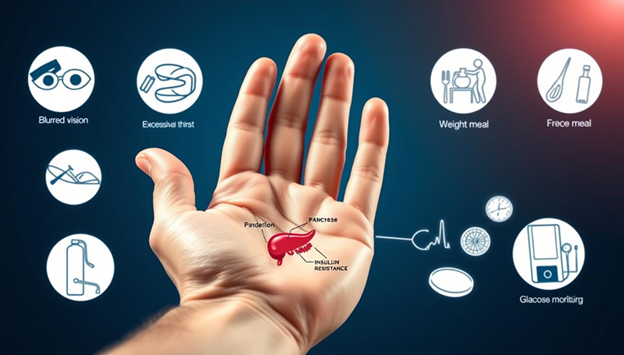
Prediabetes Symptoms and Prevention: What You Need to Know
Prediabetes is a critical warning sign for type diabetes . It occurs when blood sugar levels are higher than normal but not high enough for a diabetes diagnosis. Shockingly, 1 in 3 American adults has this condition, yet 80% are unaware.
Early intervention can reverse prediabetes. Insulin resistance and elevated glucose levels are key factors. Making lifestyle changes like healthier eating and regular exercise can make a significant difference.
The CDC's National Diabetes Prevention Program has shown remarkable success, reducing the risk of type 2 diabetes by 58%. Awareness and regular testing are essential to catch this condition early.
Racial disparities exist in diagnosis rates, with Native American communities facing higher risks. Understanding these patterns can help address the issue more effectively.
What Is Prediabetes?
Prediabetes represents a crucial metabolic state between normal health and diabetes. It occurs when blood sugar levels are higher than usual but not high enough for a diabetes diagnosis. This condition is often referred to as impaired glucose tolerance or borderline diabetes in clinical terms.
To understand prediabetes, it's essential to compare blood sugar thresholds. Normal fasting glucose levels are below 100 mg/dL, while prediabetic levels range from 100 to 125 mg/dL. Diabetic levels exceed 125 mg/dL. Similarly, an A1c level of 5.7% to 6.4% indicates prediabetes.
Insulin resistance plays a significant role in this condition. It occurs when cells fail to respond effectively to insulin, leading to elevated glucose in the bloodstream. Over time, this can strain the body's ability to regulate sugar levels.
Diagnosing prediabetes involves three primary methods:
- Fasting Plasma Glucose Test: Measures blood sugar after an overnight fast.
- Oral Glucose Tolerance Test (OGTT): Assesses blood sugar before and after consuming a sugary drink.
- A1c Test: Provides an average blood sugar level over the past 2-3 months.
Clinically, prediabetes is also termed non-diabetic hyperglycemia. Without intervention, 15-30% of individuals with this condition progress to diabetes within five years. Early detection and lifestyle changes can significantly reduce this risk.
|---------------|-----------------------------|-------------| | Condition | Fasting Glucose (mg/dL) | A1c (%) | | Normal | Below 100 | Below 5.7 | | Prediabetes | 100-125 | 5.7-6.4 | | Diabetes | Above 125 | Above 6.4 |
Common Prediabetes Symptoms
Many people overlook subtle indicators of metabolic changes. These signs often go unnoticed but can provide critical insights into health. Recognizing them early can help address underlying issues before they escalate.
Physical Symptoms
Recurrent infections, such as yeast infections, are common due to the immune impacts of elevated glucose levels. Skin changes, like dark patches or skin tags, may also appear. These physical signs often signal metabolic imbalances.
Hormonal conditions, such as PCOS, are closely linked to insulin dysfunction. Studies show that 45% of individuals with PCOS develop this condition by age 40. Addressing these hormonal issues can improve metabolic health.
Subtle Warning Signs
Sleep disorders, including sleep apnea, have a bidirectional relationship with glucose metabolism. Poor sleep can worsen metabolic health, and vice versa. Addressing sleep issues can improve overall well-being.
Non-traditional markers, such as erectile dysfunction or silent heart attacks, are also linked to metabolic changes. Silent heart attacks are twice as likely in individuals with this condition. Awareness of these signs is crucial for early intervention.
"Early detection of metabolic changes can significantly reduce health risks."
|-----------------------------|---------------------------------------------------------------------| | Non-Traditional Markers | Description | | Skin Tags | Small, benign growths often linked to insulin resistance. | | Erectile Dysfunction | Can indicate vascular and metabolic issues. | | Silent Heart Attacks | Occur without obvious symptoms, more common in metabolic disorders. |
Risk Factors for Prediabetes
Understanding the factors that increase the risk of metabolic changes is essential for early intervention. These risks can be divided into lifestyle and genetic or demographic influences. Recognizing these elements helps in taking proactive steps toward better health.
Lifestyle Factors
Daily habits play a significant role in metabolic health. Poor diet, lack of physical activity, and smoking are common contributors. Sedentary lifestyles can lead to weight gain, which increases the likelihood of insulin resistance.
Stress and sleep deprivation also impact glucose regulation. Chronic stress raises cortisol levels, which can disrupt insulin function. Addressing these lifestyle factors can significantly reduce risks.
Genetic and Demographic Factors
Certain populations are more susceptible due to genetic and demographic factors. For example, Black, Asian, and Hispanic communities show higher prevalence rates. The thrifty gene hypothesis suggests that some groups are genetically predisposed to store fat efficiently, increasing risks.
Age is another critical factor. Over 51% of cases occur in individuals aged 45 and older. Additionally, those with a family history of diabetes or a history of gestational diabetes are at higher risk.
Epigenetic factors, such as changes in insulin receptor expression, also play a role. Transgenerational impacts, like maternal diabetes, can influence metabolic health in offspring. Awareness of these factors can guide personalized prevention strategies.
"Recognizing genetic and lifestyle risks is the first step toward proactive health management."
How Prediabetes Is Diagnosed
Accurate testing is the cornerstone of identifying metabolic health concerns. Several methods are used to measure glucose levels and assess overall health. Early detection can make a significant difference in managing risks effectively.
For children, testing is recommended if they are overweight and have two or more risk factors. This proactive approach helps catch issues early. Confirmatory testing is also necessary for 25% of initial positive results to ensure accuracy.
Testing methods vary in their approach. Venous blood sampling, taken from a vein, is the most accurate. Capillary sampling, from a finger prick, is quicker but may have slight variations. Both methods measure glucose levels effectively.
The A1c test is another key tool. It measures hemoglobin glycation, which reflects average blood sugar levels over the past 2-3 months. This test doesn't require fasting, making it convenient for many patients.
Preparation for testing is straightforward. An 8-hour fast is required for fasting plasma glucose tests. Certain medications may need to be paused to avoid skewed results. Following these protocols ensures reliable outcomes.
False positives or negatives can occur due to factors like stress, illness, or anemia. Awareness of these influences helps interpret results accurately. For asymptomatic adults, the ADA recommends regular screening starting at age 45 or earlier for those with risk factors.
"Regular testing is essential for early detection and effective management of metabolic health."
Prediabetes Symptoms and Prevention: Key Strategies
Taking proactive steps can significantly lower the chances of developing more serious health issues. A tiered approach, starting with lifestyle changes and moving to pharmacotherapy if needed, has shown great success in managing risks.
The CDC's National Diabetes Prevention Program (DPP) is a standout example. In a study involving 3,234 participants, those who lost 5-7% of their body weight reduced their risk of progressing to diabetes by 58%. This highlights the power of small, consistent changes in daily habits.
For high-risk individuals, medications like metformin can also play a role. Studies show it reduces progression by 31%. However, lifestyle interventions remain the most effective strategy for long-term risk reduction.
Insurance coverage for prevention programs varies, but many plans now include support for these initiatives. Continuous glucose monitoring is another tool gaining popularity. It provides real-time feedback, helping individuals stay motivated and make informed decisions.
"Lifestyle changes are the cornerstone of effective prevention strategies."
Key takeaways include:
- Focus on lifestyle changes first, such as healthier eating and regular exercise.
- Consider pharmacotherapy for high-risk individuals, under medical supervision.
- Explore insurance options to access prevention programs like the CDC program.
- Use tools like continuous glucose monitoring to track progress and stay motivated.
By combining these strategies, individuals can take control of their health and reduce their risks effectively.
Lifestyle Changes to Reverse Prediabetes
Small, consistent changes in daily habits can make a big difference in managing health risks. Focusing on diet and physical activity is key to improving metabolic health. These adjustments not only help reduce risks but also enhance overall well-being.
Dietary Adjustments
Eating healthier doesn't have to be complicated. Start by incorporating more whole foods like vegetables, lean proteins, and whole grains. Reducing processed foods and sugary drinks can also help stabilize blood sugar levels.
Portion control is another simple yet effective strategy. Eating smaller, balanced meals throughout the day can prevent glucose spikes. Adding fiber-rich foods like beans and oats can improve digestion and keep you fuller longer.
Exercise Recommendations
Regular exercise is one of the most effective ways to improve metabolic health. Studies show that 150 minutes of moderate activity per week can reduce risks by 46%. Even short walks after meals can lower glucose spikes by 22%.
Here are some practical tips to get started:
- Timing Matters: Post-meal walks are more effective than fasting-state workouts for glucose control.
- HIIT vs. Steady-State: High-intensity interval training (HIIT) burns more calories in less time, while steady-state cardio improves endurance.
- Bodyweight Exercises: Modified push-ups and chair squats are great for beginners or those with limited mobility.
- NEAT Strategies: Non-exercise activity thermogenesis, like taking the stairs or standing while working, adds up throughout the day.
- Arthritis Modifications: Pool exercises or recumbent biking are low-impact options for joint-friendly workouts.
Incorporating resistance training twice a week can also build muscle and improve insulin sensitivity. Remember, consistency is more important than intensity. Start small and gradually increase activity levels.
"Small steps today can lead to big health improvements tomorrow."
The Role of Weight Loss in Prediabetes Prevention
Losing weight plays a vital role in improving metabolic health. Research shows that even a modest reduction in body fat can lead to significant improvements. For example, losing 10-14 pounds can enhance pancreatic beta-cell function by 85%. This highlights the power of weight loss in preventing health risks.
Visceral fat, the fat stored around internal organs, is particularly harmful. Reducing it can improve insulin sensitivity by 64%. This makes managing body fat a key strategy for better metabolic health.
Adipokines, such as leptin and adiponectin, play a crucial role in regulating metabolism . Leptin controls hunger, while adiponectin improves insulin sensitivity. Balancing these hormones through weight loss can have profound effects.
When assessing risks, waist-to-hip ratio is often more accurate than BMI. It provides a clearer picture of fat distribution, which is closely linked to metabolic health. Here's a quick comparison:
- Waist-to-Hip Ratio: Measures fat distribution, more predictive of risks.
- BMI: Measures overall weight relative to height, less specific.
For those struggling with significant weight issues, bariatric surgery offers a solution. Studies show an 80% remission rate in related conditions. This makes it a viable option for high-risk individuals.
Time-restricted eating is another effective strategy. Limiting food intake to specific windows can improve metabolism and aid in weight management. It's a simple yet powerful tool for better health.
Weight loss plateaus are common but manageable. Metabolic adaptation, where the body adjusts to fewer calories, can slow progress. Strategies like adjusting calorie intake or increasing physical activity can help overcome these challenges.
"Small, consistent changes in weight management can lead to significant health improvements."
By focusing on these strategies, individuals can take control of their health and reduce risks effectively.
Conclusion
Taking control of your health starts with simple, actionable steps. Annual screenings detect 92% of progressing cases, and maintaining a healthy lifestyle for three years reduces long-term risks by 74%. Start by testing your glucose levels, tracking progress, and tweaking your diet for better results.
Regular physical activity and quality sleep are equally important. Resources like the ADA and CDC Diabetes Prevention Finder offer reliable guidance. Family involvement can provide accountability and support, making the journey easier.
Consider the story of a 58-year-old who reversed their condition through the CDC's Diabetes Prevention Program. With early intervention and consistent effort, significant improvements are possible. Schedule your regular checkups today and take the first step toward better health.
FAQ
What is prediabetes?
Prediabetes is a condition where blood sugar levels are higher than normal but not high enough to be classified as type 2 diabetes. It often serves as a warning sign to make lifestyle changes to prevent the progression to diabetes.
What are the common signs of prediabetes?
Common signs include increased thirst, frequent urination, fatigue, and blurred vision. Some people may also experience subtle warning signs like slow-healing wounds or darkened skin patches.
Who is at risk for developing prediabetes?
Risk factors include being overweight, having a sedentary lifestyle, a family history of diabetes, or being over 45 years old. Certain ethnicities, like African Americans and Hispanics, are also at higher risk.
How is prediabetes diagnosed?
It's typically diagnosed through blood tests like the fasting plasma glucose test, A1C test, or oral glucose tolerance test. These measure blood sugar levels to determine if they fall within the prediabetes range.
Can prediabetes be reversed?
Yes, with lifestyle changes like a healthy diet, regular physical activity, and weight loss, prediabetes can often be reversed, reducing the risk of developing type 2 diabetes.
What dietary changes help manage prediabetes?
Focus on eating whole grains, lean proteins, fruits, vegetables, and healthy fats. Limit processed foods, sugary drinks, and refined carbohydrates to help stabilize blood sugar levels.
How does exercise help prevent prediabetes?
Regular physical activity improves insulin sensitivity, helps with weight loss, and lowers blood sugar levels. Aim for at least 150 minutes of moderate exercise, like brisk walking, each week.
Why is weight loss important for prediabetes prevention?
Losing even a small amount of weight, like 5-7% of body weight, can significantly reduce the risk of progressing to type 2 diabetes by improving how the body uses insulin.
Can prediabetes lead to other health problems?
If left unmanaged, prediabetes can increase the risk of heart disease, stroke, and kidney damage. Taking action early can help prevent these complications.