
Relieve Rotator Cuff Pain at Night: Expert Tips
Key Takeaways
- Maintaining an active lifestyle with low-impact exercises can strengthen the muscles around your rotator cuff.
- Applying a cold pack to your shoulder before bed can reduce inflammation and numb pain.
- Back sleeping is ideal for relieving rotator cuff pain at night, as it evenly distributes weight and reduces pressure on your shoulders.
- Pairing gentle stretches with deep breathing or mindfulness practices can significantly impact comfort levels.
- Physical therapy assessments and specialized exercises can help you find relief and regain strength.
Understanding the Rotator Cuff and Its Role
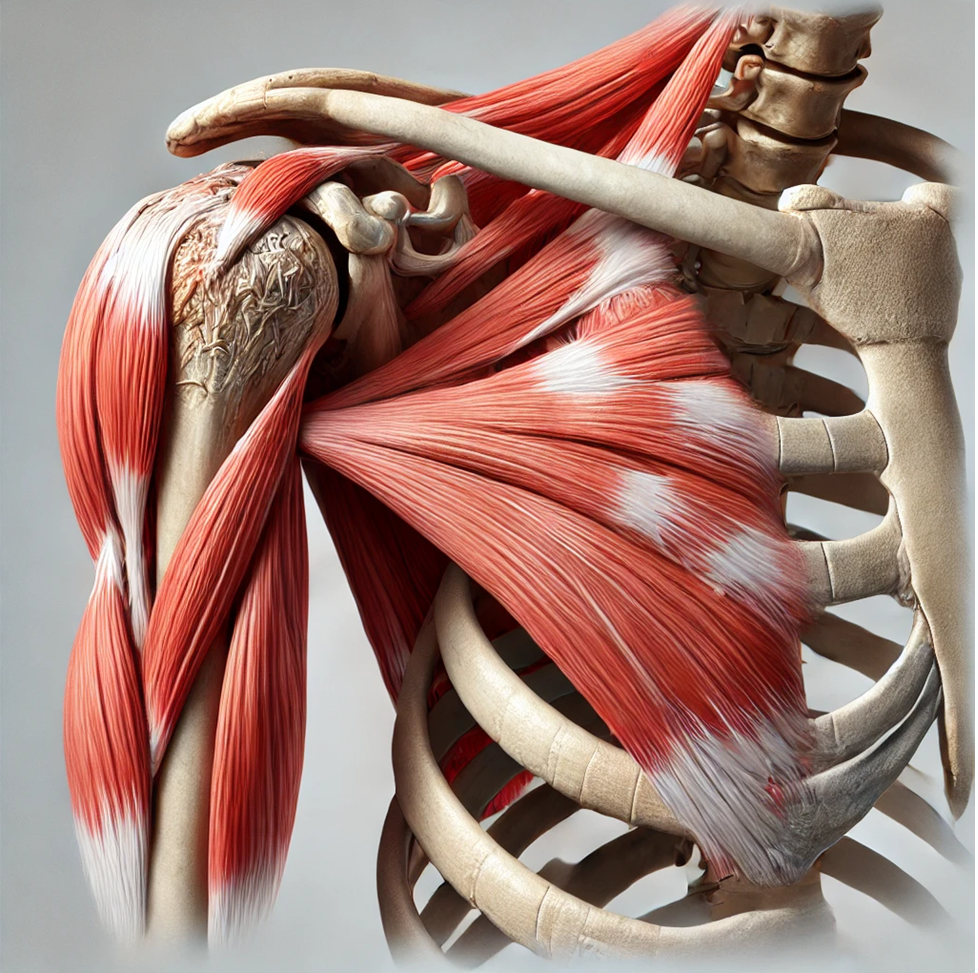
The rotator cuff is key to the shoulder joint. It has four muscles that help keep the shoulder stable and allow for movement. Knowing how the rotator cuff works is important for fixing pain or discomfort. This knowledge helps find ways to ease rotator cuff issues, like pain at night.
The Four Muscles of the Rotator Cuff
The rotator cuff is made up of four muscles: Subscapularis, Supraspinatus, Infraspinatus, and Teres Minor. These muscles connect the shoulder blade to the upper arm bone. They help the shoulder move and stay stable.
Causes of Rotator Cuff Pain
Pain in the rotator cuff can come from injuries, too much use, or getting older. Jobs that involve moving your arms up and down, like painting or carpentry, can lead to rotator cuff injuries. Sports like baseball, tennis, and weightlifting also increase the risk. If not treated, these problems can cause permanent loss of shoulder strength and mobility.
Knowing about the rotator cuff's anatomy and function is the first step to solving nighttime pain. It helps find ways to relieve the discomfort.
Why Rotator Cuff Pain Worsens at Night
Many people with shoulder pain or rotator cuff issues find their pain gets worse at night. This could be due to factors like weightlifting in your sleep. But, it's more likely because of how you sleep, less blood flow, not moving, and the body's natural inflammation.
Sleeping on your side puts all your upper body weight on your shoulder muscles and tendons. If you always sleep on the same shoulder, this can strain and even tear your muscles over time. Even if you don't sleep on your side, you can still feel more shoulder pain at night.
At night, your body's blood flow changes because you're less active. This can make your shoulder stiffer and more painful, especially if you have inflammation or injury. Also, moving during the day helps keep your shoulder joint lubricated and flexible. But at night, when you're still, the joint can stiffen, making any movement or even the bed's pressure hurt more.
Lastly, your body's inflammation can get worse at night, making your rotator cuff pain worse.
""Factors like positioning, decreased blood flow, inactivity, and the body's natural inflammatory processes can contribute to increased shoulder pain at night.""
Understanding why rotator cuff pain gets worse at night is key to managing it. By tackling these causes, you can improve your sleep and lessen shoulder pain at night.
Optimizing Sleeping Positions for Relief
Dealing with rotator cuff pain can make it hard to sleep well. Pain can mess up your sleep, making you tired and affecting your recovery. But, there are ways to make sleeping more comfortable and reduce pain at night.
Sleeping on Your Back or Unaffected Side
Sleeping on your back can help if shoulder pain wakes you up. You can put a folded towel or pillow under your injured shoulder to help. This can reduce swelling and inflammation. If back sleeping is hard, try sleeping on your unaffected shoulder.
Using Pillows and Support for Proper Alignment
Getting the right pillows is key for best sleeping positions for rotator cuff pain . Use supportive pillows under your head and a small pillow or towel under your affected arm. This helps with how to use pillows for shoulder support and keeps your body aligned.
Heat therapy for 15-20 minutes before bed can relax your shoulder muscles and lessen pain. Also, a cooler sleep environment can help reduce inflammation and improve sleep.
|-----------------------|---------------------------------------------------------------------------------| | Sleeping Position | Benefits for Rotator Cuff Pain | | Back | Reduces pressure on the shoulder, allows for arm elevation to minimize swelling | | Side (Unaffected) | Avoids direct pressure on the affected shoulder | | Stomach | Not recommended, as it can strain the neck and lower back |
By choosing the right sleeping position and using the right support, you can sleep better and help your rotator cuff heal. Always talk to your healthcare provider for advice on what works best for you.
The Benefits of Heat and Cold Therapy
Using both heat and cold can really help with rotator cuff pain. Warm heating pads and cool ice packs can control swelling and ease pain. Remember, timing is key. Don't use heat in the first 24 to 72 hours after injury, as it can make swelling worse.
Heat is good for loosening tight muscles and improving blood flow. It's best for older injuries or when your shoulder feels stiff. Try hot or cold before bed to see which one works better for you.
- Cold therapy is best in the first 24-72 hours after a rotator cuff injury. It slows down nerve and tissue function, reducing swelling that blocks blood flow.
- Heat is better 3 to 5 days after an injury or later if swelling hasn't gone down. It makes veins bigger, allowing more blood to reach damaged soft tissue, helping with healing.
- Heat is recommended for older (chronic) injuries, after surgery, and for regenerative therapies, not within 2 weeks of surgery.
For acute shoulder pain, cold therapy is best at first to reduce pain and swelling. Heat is used to help healing before activity or when feeling stiff. Cold therapy is better during activity to reduce pain and swelling.
""Applying a heating pad to the shoulder can help relax muscles and tendons, reducing pain. Icing the shoulder every 4 to 6 hours for 10 to 20 minutes and applying heat before bed can help relieve rotator cuff pain.""
Incorporating Gentle Stretches and Exercises
If you're dealing with rotator cuff pain, especially at night, gentle stretches and exercises can help. Stretching keeps your range of motion good, reduces stiffness, and eases pain before bed. Try the Pendulum Stretch, Towel Stretch, and Doorway Stretch for shoulder relief.
Be gentle with your stretches and never stretch too far, as it can make your injury worse. Hold each stretch for up to 1 minute and do them 3-5 times. Also, doing low-impact exercises daily can strengthen your rotator cuff muscles. This gives you more stability and less pain at night.
- Pendulum Swing: Stand with your feet shoulder-width apart, slightly bent at the knees. Gently swing your arm back and forth in a pendulum motion for at least 1 minute, repeating 3 times per day.
- Doorway Stretch: Stand in a doorway with your arms extended at shoulder height, palms facing forward. Slowly lean your body forward, feeling the stretch in your chest and front of your shoulder. Hold for 30 seconds and repeat 2-4 times.
- Shoulder Circles: Raise your shoulders up towards your ears, then roll them back and down in a circular motion. Repeat this 2-3 times per day.
Consistency is crucial when stretching and exercising for rotator cuff pain. Do these exercises 3-6 times a week for the best results, especially before bed.
""Do these simple exercises three to six times per week to relieve shoulder pain.""
Adding these gentle stretches and exercises to your routine is a big step towards managing rotator cuff pain. It helps you sleep better at night.
How to Relieve Rotator Cuff Pain at Night with Physical Therapy
Physical therapy is key in managing physical therapy for rotator cuff pain . It helps in recovery, improves movement, and prevents surgery. A good physical therapy plan includes many exercises and treatments for shoulder injuries. These include swinging pendulums, doorway stretches, and using resistance bands.
Start each session with a warm-up, like gentle cycling. Be careful when making exercises harder. Only add more weight or complexity if it doesn't hurt. Getting advice from a doctor or physical therapist is important. They can make a plan that fits your needs and keeps you safe.
Exercises and Techniques in Physical Therapy
- Swinging pendulums
- Stretches in a doorway
- Cross-body stretches
- Stretching with a stick
- Band-assisted external rotations
- Exercises using resistance bands
|---------------------------|-----------------------------------------------------------------------------|---------------------------------------------------| | Exercise | Description | Benefits | | Swinging Pendulums | Gently swing the arm in a pendulum-like motion | Improves range of motion and circulation | | Doorway Stretches | Stand in a doorway and raise the affected arm, bracing it against the frame | Stretches the chest and anterior shoulder muscles | | Resistance Band Exercises | Perform exercises like external rotations using resistance bands | Strengthens the rotator cuff muscles |
By doing these exercises and treatments in physical therapy for shoulder injuries , people can ease physical therapy for rotator cuff pain. They can also get their shoulder working better with help from a skilled physical therapist.
Home Remedies to Complement Treatment
Home remedies can be a great help when you have rotator cuff pain. Over-the-counter meds like Tylenol or Advil can ease the pain and help you sleep better. What you eat also matters. Eating foods that fight inflammation can help your body heal faster.
Anti-Inflammatory Diet and Low-Impact Exercise
Eating foods that fight inflammation, like omega-3s and turmeric, can help. Also, make sure you get enough protein and vitamins C and E. These foods work well with physical therapy to help your rotator cuff heal.
Doing gentle exercises, like walking or swimming, is good for your health. It keeps your blood flowing, which is key when your rotator cuff is healing. These steps, along with a good treatment plan, can help manage your pain and support your recovery.
""Incorporating anti-inflammatory foods and low-impact exercises can work in tandem with physical therapy to expedite the healing process for rotator cuff injuries.""
When to Seek Medical Intervention
Intense shoulder pain, like severe rotator cuff discomfort, is a red flag. So is fever or redness around the joint. If you can't move your arm after an injury, or if pain lasts for weeks, see a doctor.
Exploring Injection Therapies and Surgical Options
An orthopedic surgeon can help with rotator cuff injuries. They know how to fix them with advanced surgeries. If you have a torn rotator cuff, surgery might be needed.
Injection therapies, like corticosteroids, can help with pain. They're used along with other treatments to ease discomfort.
FAQ
What are the best ways to relieve rotator cuff pain at night?
Optimizing your sleeping position is key. Using heat or cold therapy can also help. Gentle stretches and exercises are also effective.
How does the rotator cuff function and what causes rotator cuff pain?
The rotator cuff is made of four muscles that help your shoulder move. Pain can come from injuries, arthritis, bone spurs, or tendon tears.
Why does rotator cuff pain often worsen at night?
At night, your sleeping position and blood flow can change. Inactivity and the body's natural inflammation also play a role.
What are the best sleeping positions for relieving rotator cuff pain?
Sleeping on your back or side can help. Make sure your pillow supports your shoulder properly.
How can heat and cold therapy help with rotator cuff pain?
Heat and cold can reduce swelling and pain. But, timing is crucial to avoid making inflammation worse.
What types of stretches and exercises can help with rotator cuff pain?
Try gentle stretches like the Pendulum Stretch and Towel Stretch. The Doorway Stretch can also help. These exercises keep your shoulder moving and ease pain.
How can physical therapy help with managing rotator cuff pain?
Physical therapy includes exercises and stretches. It helps recover, improves mobility, and prevents injury to the rotator cuff.
What home remedies can complement treatment for rotator cuff pain?
Over-the-counter meds and an anti-inflammatory diet can help. Low-impact exercises also support physical therapy and other treatments.
When should someone seek medical intervention for rotator cuff pain?
If pain is severe, shows signs of infection, or limits movement, see a doctor. An orthopedic specialist can help.
Source Links
- Impact Physical Therapy and Wellness - https://www.impactptwellness.com/learn-how-to-relieve-rotator-cuff-pain-at-night/
- How To Sleep With Shoulder Pain, With Examples | Dr. Mehta - https://www.resilienceorthopedics.com/shoulder/sleep-with-shoulder-pain/
- Shoulder Pain at Night: Causes, Treatment, Exercises - https://www.hingehealth.com/resources/articles/shoulder-pain-at-night/
- Rotator cuff injury - Symptoms and causes - https://www.mayoclinic.org/diseases-conditions/rotator-cuff-injury/symptoms-causes/syc-20350225
- Rotator Cuff Tears - OrthoInfo - AAOS - https://orthoinfo.aaos.org/en/diseases--conditions/rotator-cuff-tears/
- How to Relieve Rotator Cuff Pain at Night | SPORT Orthopedics - https://sportsmedtexas.com/blog/how-to-relieve-rotator-cuff-pain-at-night/
- Why is My Shoulder Pain Worse at Night? - https://hive.rochesterregional.org/2021/11/why-shoulder-pain-worse-at-night
- Nighttime Relief for Rotator Cuff Pain - AICA Orthopedics - https://aica.com/nighttime-relief-for-rotator-cuff-pain/
- Navigating the Night: 4 Advanced Tips for Sleeping with Shoulder Pain - Central Ohio Spine and Joint - https://cospineandjoint.com/advanced-shoulder-pain-relief-treatments-sleep-tips/
- Best Sleeping Positions for Pain - https://health.clevelandclinic.org/best-sleeping-positions-for-pain
- Ice (Cold) vs Heat - What's Better to Treat Shoulder Injuries? - https://aidmyrotatorcuff.com/rotator-cuff/ice-vs-heat-for-your-rotator-cuff.php
- How To Relieve Rotator Cuff Pain at Night - https://health.clevelandclinic.org/relieve-rotator-cuff-pain-night
- Relieve Rotator Cuff Pain at Night: Strategies for Easing Discomfort - https://atlantamedicine.com/relieve-rotator-cuff-pain/
- Top 10 Exercises to Relieve Shoulder Pain and Increase Flexibility - https://www.healthline.com/health/shoulder-pain-exercises
- Rotator Cuff: Exercises | Kaiser Permanente - https://healthy.kaiserpermanente.org/health-wellness/health-encyclopedia/he.rotator-cuff-exercises.ad1509
- How to Relieve Rotator Cuff Pain at Night? - https://prohealthclinic.co.uk/blog/how-to-relieve-rotator-cuff-pain-at-night/
- Rotator cuff - self-care: MedlinePlus Medical Encyclopedia - https://medlineplus.gov/ency/patientinstructions/000358.htm
- 10 Tips To Kill Rotator Cuff Pain At Night Effectively - https://betterhealthalaska.com/rotator-cuff-pain-relief-at-night/
- Quick Relief from Shoulder Pain: Effective Strategies - https://peakendurancept.com/10-remedies-for-quick-relief-from-shoulder-pain/
- 6 Best Rotator Cuff Exercises For Pain Relief - https://academyorthopedic.com/insights/rotator-cuff-pain-exercises/
- Rotator cuff injury - Diagnosis and treatment - https://www.mayoclinic.org/diseases-conditions/rotator-cuff-injury/diagnosis-treatment/drc-20350231
- Rotator Cuff Injury: Care Instructions - https://myhealth.alberta.ca/Health/aftercareinformation/pages/conditions.aspx?hwid=uf7044
- Patient education: Rotator cuff tendinitis and tear (Beyond the Basics) - https://www.uptodate.com/contents/rotator-cuff-tendinitis-and-tear-beyond-the-basics/print
"