
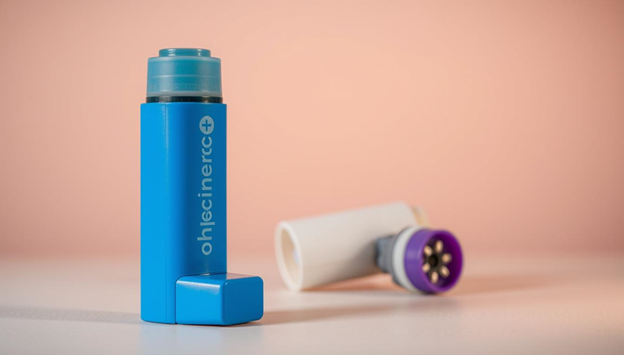
Rescue vs Maintenance Inhalers: A Guide for Asthma Patients
Asthma affects over 25 million Americans, making proper medication management essential. For many, inhalers are a lifeline, helping to control symptoms and improve breathing. However, not all inhalers work the same way. Understanding the difference between rescue and maintenance options is critical for effective asthma care.
Confusing these two types of inhalers can lead to serious risks. For example, a child at camp once mistakenly used Symbicort, a maintenance inhaler, instead of ProAir RespiClick, a rescue inhaler, during an asthma attack. This highlights the importance of proper education and identification of medication.
This guide will explore how to distinguish between these inhalers, their correct usage, and the consequences of misuse. By working closely with healthcare providers, patients can ensure they use their medication safely and effectively.
Understanding Rescue and Maintenance Inhalers
For those living with asthma, knowing your medication options is key. Two primary types of devices are used to manage symptoms: those for immediate relief and those for long-term control. Each serves a distinct purpose, and understanding their differences can make a significant impact on your health.
What Are Rescue Inhalers?
Rescue devices, often containing bronchodilators like albuterol, are designed to provide quick relief during an asthma attack. These medications work by relaxing the muscles around the airways, making it easier to breathe within minutes. Common brands include Ventolin and ProAir. They are essential for managing sudden symptoms but are not meant for daily use.
What Are Maintenance Inhalers?
Maintenance devices, on the other hand, are used daily to prevent symptoms and reduce inflammation. They often combine formoterol with corticosteroids like budesonide formoterol . Examples include Advair and Symbicort. These devices provide long-term protection, lasting up to 12-24 hours, and are crucial for managing chronic conditions like chronic obstructive pulmonary disease.
By understanding the roles of these devices, patients can better manage their asthma and improve their quality of life. Always consult a healthcare provider to ensure the right medication is being used correctly.
Key Differences Between Rescue and Maintenance Inhalers
Managing asthma effectively requires understanding the distinct roles of different medications. While both types of devices aim to improve breathing, they function differently and are used in specific situations. Knowing these differences ensures proper treatment and reduces the risk of complications.
How They Work
Quick-relief medications, such as short-acting beta-agonists (SABAs), target the smooth muscles around the airways. They provide quick relief by relaxing these muscles, helping to open airways within minutes. This makes them ideal for sudden symptoms like wheezing or shortness of breath.
In contrast, long-acting bronchodilators (LABAs) combined with corticosteroids work over time. They reduce inflammation and prevent symptoms from occurring. These medications are taken daily and provide protection for up to 12-24 hours , making them essential for chronic conditions like asthma copd.
When to Use Each Type
Quick-relief devices are designed for emergencies, such as during an asthma attack. They should not be used more than twice a week, as frequent use may indicate poor control. If this happens, consult a healthcare provider to adjust the treatment plan.
Long-acting bronchodilators, on the other hand, are for daily use. They help prevent symptoms like nightly coughing or wheezing. However, the FDA warns that LABAs like formoterol must be used with corticosteroids to avoid serious effects.
- Use quick-relief medications for sudden symptoms.
- Take long-acting bronchodilators daily to prevent flare-ups.
- Consult a doctor if quick-relief devices are needed more than twice a week.
How to Use Rescue and Maintenance Inhalers Correctly
Using asthma medications correctly can make a big difference in managing symptoms. Proper techniques ensure the medicines reach the lungs effectively, helping to treat asthma and prevent complications. Whether you're using a quick-relief or long-term device, following the right steps is essential.
Proper Techniques for Rescue Inhalers
For quick-relief devices like metered-dose inhalers (MDIs), coordination is key. Start by shaking the inhaler well. Exhale fully, then place the mouthpiece in your mouth. As you press the canister to release the medication, inhale slowly and deeply. Hold your breath for 10 seconds to allow the medicine to reach your airways.
Dry powder inhalers (DPIs) require a forceful inhalation. Load the device as instructed, then exhale away from the mouthpiece. Seal your lips around it and inhale quickly and deeply. Unlike MDIs, DPIs don't require breath coordination, making them easier for some users.
Daily Use of Maintenance Inhalers
Long-term devices are designed for daily use to control symptoms and reduce inflammation. Evening dosing is often recommended to manage nocturnal symptoms. When using inhalers with corticosteroids, rinse your mouth afterward to prevent oral thrush, a common side effect.
Using a spacer with MDIs can improve medication delivery and reduce the risk of side effects. Clean the mouthpiece weekly to prevent clogging and ensure consistent performance. Always follow your healthcare provider's instructions for the best results.
- Shake MDIs before use and inhale slowly.
- Use DPIs with a quick, deep breath.
- Rinse your mouth after corticosteroid use.
- Clean inhalers weekly to maintain effectiveness.
Common Mistakes and How to Avoid Them
Many asthma patients unknowingly make errors with their devices. These mistakes can lead to poor symptom control and even serious health risks. By understanding and addressing these issues, patients can improve their treatment outcomes.
Misidentifying Devices
One common issue is confusing different types of medications. For example, a case study showed how a child at camp mistakenly used a long-term control device during an emergency. Color-coding often fails, as seen in this instance where a "red inhaler" was misidentified.
To avoid this, patients can use tactile strategies like rubber bands or labeled cases. Digital trackers, such as those from Propeller Health, also help monitor usage and ensure the right device is used at the right time.
Overuse of Quick-Relief Medications
Overusing quick-relief devices is another serious mistake. Studies show that frequent use is linked to a threefold increase in hospitalizations. This can lead to tachyphylaxis, where the medication becomes less effective, and mask underlying inflammation.
To prevent overuse, patients should journal their usage frequency alongside peak flow metrics. This helps identify patterns and adjust the treatment plan with a healthcare provider.
- Use tactile markers like rubber bands to differentiate devices.
- Monitor usage with digital trackers for accuracy.
- Journal usage and peak flow metrics to track patterns.
- Consult a doctor if quick-relief devices are needed frequently.
Choosing the Right Inhaler for Your Needs
Selecting the right medication is a critical step in managing respiratory conditions effectively. Whether you're dealing with asthma or obstructive pulmonary issues, the right choice can make a significant difference in your quality of life. Working closely with your doctor and understanding your prescription are key to finding the best solution.
Consulting Your Doctor
Your doctor plays a vital role in determining the right medications for your condition. They may recommend diagnostic tests like spirometry for COPD or FeNO for eosinophilic asthma. These tests help identify the underlying causes of your symptoms and guide the treatment plan.
For example, if your asthma is uncontrolled, your doctor might suggest step-up therapy. This could involve switching to combination therapies like Breztri, which combines three medicines for better symptom control. Always discuss your options to ensure the best outcome.
Understanding Your Prescription
Your prescription is tailored to your specific needs. For asthma copd patients, medications like Trelegy are approved for both conditions. Understanding how and when to use your medications is crucial for effective management.
Here's a quick guide to help you navigate your options:
|-----------------------|---------------------------------------------------------------| | Consideration | Details | | Diagnostic Tests | Spirometry for COPD, FeNO for eosinophilic asthma | | Combination Therapies | Upgrade to triple therapy (e.g., Breztri) when needed | | Insurance | Compare Advair Diskus vs generic fluticasone/salmeterol costs | | Pediatric Protocols | Use age-appropriate devices like Aerosphere for children | | Travel Tips | Carry devices in FAA-approved clear bags |
By following these guidelines and working with your doctor , you can ensure you're using the right medications for your condition. This approach helps improve symptom control and overall health.
Conclusion
Proper asthma care relies on understanding the unique roles of different medications . Immediate relief devices are essential for sudden symptoms, while long-term options help control inflammation and prevent flare-ups. Knowing when and how to use each type ensures effective asthma management.
Patients should validate their techniques with pharmacists to ensure proper use. This "show-back" method can improve medication delivery and enhance breathing. Always carry your quick-relief device, especially during pollen season, to stay prepared for emergencies.
Regular check-ups are crucial. Schedule quarterly asthma control tests to monitor your condition and adjust your treatment plan as needed. Remember, never share your devices, as dosing calibration is specific to each individual and misuse can lead to serious risks.
FAQ
What is the difference between rescue and maintenance inhalers?
Rescue inhalers provide quick relief during an asthma attack by opening the airways. Maintenance inhalers are used daily to control chronic symptoms and prevent flare-ups.
How do rescue inhalers work?
Rescue inhalers contain fast-acting bronchodilators like albuterol. They relax the muscles around the airways, making breathing easier during an emergency.
When should I use a maintenance inhaler?
Maintenance inhalers are used daily, even when symptoms aren't present. They help manage chronic conditions like asthma or COPD by reducing inflammation and keeping airways open.
Can I use a rescue inhaler every day?
No, rescue inhalers are for emergency use only. Overuse can lead to side effects and reduced effectiveness. If you need it daily, consult your doctor to adjust your treatment plan.
How do I know which inhaler is right for me?
Your doctor will prescribe the right inhaler based on your condition, symptoms, and medical history. Always follow their guidance and understand your prescription.
What are the side effects of using inhalers?
Common side effects include jitteriness, increased heart rate, or throat irritation. If you experience severe effects like chest pain or difficulty breathing, seek medical help immediately.
How can I avoid misusing my inhaler?
Learn the proper technique for each inhaler type. Keep them labeled clearly, and never share them with others. Regularly consult your doctor to ensure you're using them correctly.
Can I use both rescue and maintenance inhalers together?
Yes, they serve different purposes. Maintenance inhalers are for daily control, while rescue inhalers are for sudden symptoms. Always follow your doctor's instructions for safe use.