
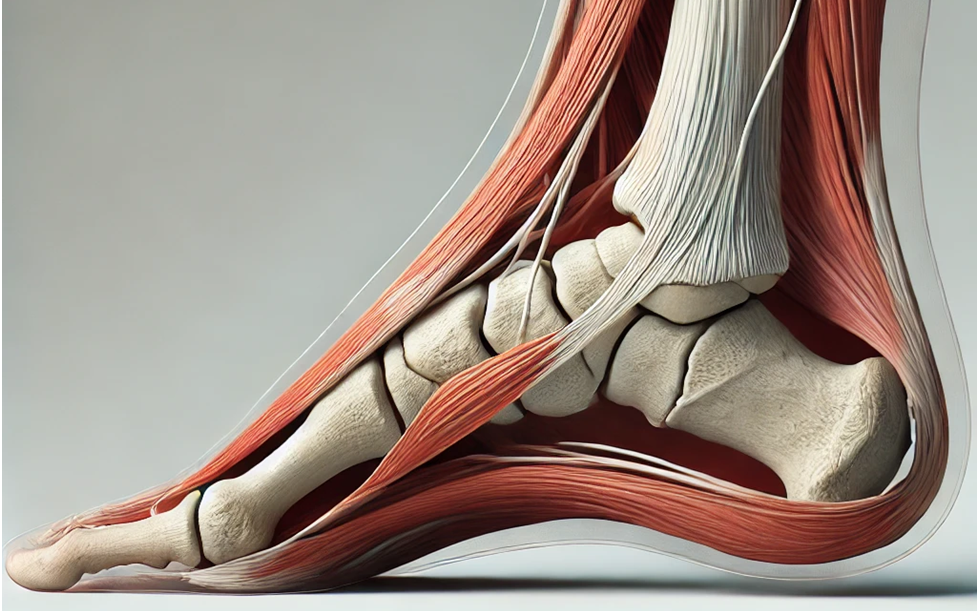
Stretching Your Achilles Tendon: Effective Techniques
The Achilles tendon connects the calf muscles to the heel bone. It's key for our daily activities and sports. Keeping it flexible is vital for avoiding injuries, easing pain, and supporting our legs and feet. This guide will show you how to stretch your Achilles tendon effectively. You'll learn techniques to boost flexibility and recover from issues like Achilles tendonitis.
Key Takeaways
- Proper Achilles tendon stretching can increase flexibility, prevent injuries, and alleviate pain.
- Common Achilles tendon conditions include tendonitis, tendinopathy, and ruptures, which can benefit from targeted stretches.
- Recommended Achilles tendon stretches include the runner's stretch, toe-to-wall stretch, and heel drop.
- Stretching should be done with proper technique and under the guidance of a healthcare professional.
- Strengthening exercises for the calf and heel muscles are also essential for Achilles tendon health.
Introduction to Achilles Tendon Stretches
The Achilles tendon connects the calf muscles to the heel bone. It's key for our lower body. Stretching it keeps us flexible, lowers injury risk, and helps with recovery from Achilles issues.
Understanding the Importance of Stretching
Doing achilles tendon stretches regularly can fix tightness and weakness. It also helps with limited movement from conditions like achilles tendonitis , achilles tendinopathy , achilles tendonosis , and achilles tendon rupture. Stretching makes the tendon more elastic and strong, boosting lower body function and performance.
Common Conditions Affecting the Achilles Tendon
- Achilles Tendonitis: Inflammation from overuse or sudden activity increase.
- Achilles Tendinopathy: Degeneration causing pain and reduced function.
- Achilles Tendonosis: Micro-tears leading to chronic pain and stiffness.
- Achilles Tendon Rupture: A tear from sudden, forceful movements.
Adding achilles tendon stretches to your routine can tackle these issues. It improves flexibility and lowers injury risk.
Calf Stretches for Achilles Tendon
Keeping your calves flexible is key to avoiding Achilles tendon problems. Two great stretches are the runner's stretch and the toe-to-wall stretch.
Runner's Stretch: Loosening the Tendon
The runner's stretch is easy but very effective. Stand with one leg in front of the other, with the back heel on the ground. Lean forward slowly, stretching the back leg's calf. Hold for 30-40 seconds and switch sides.
This stretch loosens the Achilles tendon and boosts lower body movement.
Toe-to-Wall Stretch: An Alternative Option
The toe-to-wall stretch is another good choice. Stand with your toes 6 inches from a wall. Lean forward, keeping your heels down, and press your toes against the wall. This stretch is easier on your upper body but still targets the Achilles tendon.
Hold for 30-40 seconds and switch sides.
Both stretches are great for calf stretches for achilles tendon . They help runners stretch achilles tendon to stay flexible and avoid injuries. Adding these toe-to-wall achilles tendon stretch exercises to your routine can improve your lower body health and performance.
Heel Drop Stretch for Achilles Tendon
The heel drop exercise is a top choice for stretching the Achilles tendon. It's great for those recovering from Achilles injuries. This stretch helps lengthen and strengthen the tendon.
To do the heel drop, stand on the edge of a step or staircase. Let your heel drop down below the step. You'll feel a stretch in your calf and Achilles tendon. Hold for 30 seconds, then slowly lift your heel back up.
Do this stretch 3-5 times a day. Keep your knees slightly bent and avoid locking them out. As you get more flexible, increase how long you hold the stretch.
This stretch is perfect for eccentric achilles tendon stretches . It helps with healing and flexibility in the heel drop achilles tendon stretch area. Adding it to your daily routine supports Achilles tendon health and recovery.
""Consistent heel drop stretches have been shown to significantly improve Achilles tendon flexibility and reduce the risk of re-injury.""
Adding the heel drop stretch to your routine is a big step towards a healthy Achilles tendon. Always listen to your body and adjust the stretch as needed.
Tips for Safe and Effective Stretching
Stretching the Achilles tendon needs careful attention to technique for the best results. It's important to move slowly and control your movements. Avoid bouncing or sudden actions that could hurt you more. Proper achilles tendon stretching technique is key to getting the most out of your stretches without causing harm.
Proper Technique for Maximum Benefit
When stretching achilles tendon, listen to your body and stop if you feel sharp pain. A little discomfort is okay, but don't push too hard. Stretching regularly, even when you're not stiff, helps keep your tendon flexible.
- Perform slow, controlled movements to gently lengthen the tendon.
- Avoid bouncing or sudden motions that could strain the Achilles.
- Hold stretches for 30 seconds and repeat 1-4 times per leg.
- Focus on keeping your toes pointed forward to ensure proper alignment.
When to Stop Stretching
Knowing when to stop stretching achilles tendon is as important as how you stretch. Sharp or severe pain means stop right away. Mild discomfort is normal, but don't go beyond what feels comfortable. Stretching too much when in pain can make things worse and lead to injury.
""Listening to your body and being mindful of the sensations you experience during stretching is crucial for safe and effective Achilles tendon care.""
By following these tips for tips for stretching achilles tendon, your stretching routine will be safe and effective. This helps keep your Achilles tendon healthy and flexible over time.
how to stretch achilles tendon
Stretching the Achilles tendon is key to staying flexible and avoiding injuries. It also helps in recovery from tendon issues. Here are some effective ways to stretch your Achilles tendon:
- Calf Stretches: The classic runner's stretch and toe-to-wall stretch are great for the Achilles. Stand facing a wall, lean forward, and press your heels into the ground. This stretches your calves and Achilles.
- Heel Drop Stretch: Stand with your feet hip-width apart, holding onto something for balance. Slowly lower your heels towards the ground. This stretches your Achilles tendon. Hold for 30-60 seconds, then do it again.
- Dynamic Stretching: Add dynamic Achilles stretches to your warm-up. Try heel raises, walking lunges, or ankle circles. These moves gently get your tendon ready for activity.
When stretching your Achilles tendon, stretch slowly and avoid sharp pain. Listen to your body. Regular stretching boosts flexibility, lowers injury risk, and aids in healing. If you're unsure, talk to a healthcare expert for advice.
""Stretching the Achilles tendon can be a game-changer in terms of injury prevention and overall lower body mobility."" - Dr. Sarah Johnson, Sports Medicine Specialist
Adding Achilles tendon stretches to your routine can boost flexibility and prevent injuries. Always stretch correctly, slowly, and without pain. With regular practice, you'll enjoy a healthier, more flexible Achilles tendon.
Achilles Tendon Strengthening Exercises
Strengthening the muscles and tendons around the Achilles can help manage and prevent issues. Exercises that target the calf and heel areas build strength and support. This reduces stress on the Achilles tendon. Let's look at some effective exercises to add to your routine.
Seated Heel Raises
Seated heel raises are perfect for those who find standing hard. Sit on the edge of a sturdy chair or bench with your feet flat. Slowly raise your heels, lifting your body up onto your toes, then lower back down. Do this in sets of 15 reps, taking breaks as needed.
Standing Heel Raises
Standing heel raises are more challenging. Stand with your feet shoulder-width apart, holding onto a wall or chair for balance if needed. Slowly lift your heels, raising your body up onto your toes, then lower back down. Aim for 3 sets of 15 reps, increasing the weight or intensity over time.
Resistance Band Calf Exercises
Resistance band exercises are also beneficial. Wrap a resistance band around your feet and do calf raises. Or use the band to provide resistance as you flex and point your feet. These exercises strengthen the lower leg.
Remember, don't overwork the Achilles tendon during these exercises. Overworking can lead to injury. If you feel pain or discomfort, seek advice from a healthcare professional.
""Strengthening exercises targeting the gastrocnemius and soleus muscles appear to be effective in reducing Achilles tendon pain.""
Incorporating Stretches into Recovery
Recovering from an Achilles tendon-related injury or condition needs careful steps. You should slowly add stretching and exercises back into your routine. Your doctor or physical therapist can guide you on when and how to do this.
Going slow is key to a good recovery. It helps you build strength and flexibility in your Achilles tendon.
Gradual Return to Activities
Healing means slowly getting back to your usual activities after an Achilles tendon injury. Start with easy, low-impact exercises. Then, gradually make them harder and longer as your tendon gets stronger.
Your healthcare provider can make a plan just for you. This plan will help you recover safely and well.
- Begin with gentle stretches and low-impact exercises like walking or cycling.
- Slowly increase the duration and intensity of your activities over time.
- Incorporate Achilles tendon stretches into your routine to maintain flexibility.
- Listen to your body and stop any activity that causes pain or discomfort.
By incorporating Achilles tendon stretches into your recovery and gradually returning to your usual activities, you can help ensure a successful and sustainable rehabilitation process.
Seeking Professional Guidance
When you have Achilles tendon problems, getting help from a pro is key. The stretches and exercises in this article can help many people. But, it's smart to talk to a doctor or physical therapist before starting any new routine, especially if you already have tendon issues.
Doctors and physical therapists can give you advice tailored just for you. They make sure you're doing the stretches right and safely. They can also find out what's really going on and make a plan just for you. This is super important if you have long-term pain or are getting better from an injury.
Having a doctor or physical therapist on your team can make recovery easier. They can figure out how bad your tendon problem is, suggest the best treatments, and check on your progress. Getting this kind of help is really important for a safe and successful recovery.
Getting professional advice isn't just about fixing pain or getting better from an injury. It's also about keeping your Achilles tendon healthy and strong. By working with a healthcare expert, you'll learn how to take care of your tendon and stay active and healthy.
""Consulting with a healthcare professional is the best way to ensure you are stretching and strengthening your Achilles tendon safely and effectively.""
Conclusion
Stretching the Achilles tendon is key to staying flexible and avoiding injuries. It also helps in recovering from Achilles-related issues. By following the tips and exercises in this article, you can keep your tendon healthy.
Always stretch correctly and listen to your body. If needed, get help from a professional. The suggested sets and times are just a starting point. Everyone's needs are different.
Stretching regularly, along with other exercises, can help your tendon heal faster. This improves its long-term health. A healthy Achilles tendon is crucial for moving well and performing in many activities.
FAQ
What is the importance of stretching the Achilles tendon?
Stretching the Achilles tendon is key for better flexibility. It also lowers the chance of injury. It helps in healing from conditions like Achilles tendonitis and ruptures.
What are some effective Achilles tendon stretches?
The runner's stretch and toe-to-wall stretch are great for the Achilles. The heel drop exercise is also helpful.
How should I properly perform Achilles tendon stretches?
Move slowly and control your stretches. Avoid bouncing and listen to your body. Mild pain is okay, but too much can hurt more.
Can I benefit from strengthening exercises in addition to stretching?
Yes, exercises like heel raises and resistance band calf exercises are good. They build strength and support the tendon, preventing future issues.
How should I approach Achilles tendon stretching during recovery from an injury?
Gradually add stretching and exercises back into your routine when recovering. A doctor or physical therapist can guide you on when and how to do it.
Should I consult a healthcare professional before starting an Achilles tendon stretching routine?
Yes, it's wise to talk to a doctor or physical therapist before starting any new stretching or exercise. This is especially true if you have an existing condition or injury.
Source Links
- 6 Achilles Tendon Stretches & Exercises: Recovery, Strength & Tips - https://www.healthline.com/health/achilles-tendon-stretch
- What are the best stretches for the Achilles tendon? - https://www.medicalnewstoday.com/articles/achilles-tendon-stretches
- Achilles tendonitis stretches not helping? Find out why (and 3 effective alternatives to try instead) - https://www.exakthealth.com/en-US/blog/stretches-achilles-tendonitis
- Achilles Tendon: Exercises - https://myhealth.alberta.ca/Health/aftercareinformation/pages/conditions.aspx?hwid=ad1461
- Achilles Tendon: Exercises | Kaiser Permanente - https://healthy.kaiserpermanente.org/health-wellness/health-encyclopedia/he.achilles-tendon-exercises.ad1461
- Plantar Fasciitis and Calf/Tendon Stretches - footinjuryclinic - https://www.footinjuryclinic.com/blog/plantar-fasciitis-and-calftendon-stretches/
- 3 Achilles Stretches Runners Should Know | Premier Podiatry & Orthopedics - https://balancehealth.com/resources/3-achilles-stretches-runners-should-know/premier-podiatry-and-orthopedics/
- Wage a War Against Ankle Pain with 10-Minute Achilles Tendon Stretches - https://www.liebscher-bracht.com/en/encyclopedia-of-pain/achilles-tendon/stretches/
- Exercises & Stretches for Achilles Tendinopathy - Impact Physical Therapy - https://impactptaz.com/streches-exercises-for-achilles-tendinopathy/
- An Effective Stretch for an Achilles Tendon Injury - https://www.healthy-feet.com/blog/item/438-an-effective-stretch-for-an-achilles-tendon-injury
- 3 Stretches and Strength Exercises to ""heel"" your Achilles tendon - https://www.strengthandpilatesphysiotherapy.com/post/3-stretches-and-strength-exercises-to-heel-your-achilles-tendon
- Yoga for Achilles Tendonitis: Tips for Relief & Healing - Breathing Deeply - https://breathingdeeply.com/yoga-achilles-tendonitis/
- How to Safely Stretch Your Achilles Tendon - https://www.verywellfit.com/achilles-tendon-stretches-3120291
- Stretches for achilles tendon problems - https://www.cigna.com/knowledge-center/hw/stretches-for-achilles-tendon-problems-ug2997
- Stretching for prevention of Achilles tendon injuries: a review of the literature - PubMed - https://pubmed.ncbi.nlm.nih.gov/17207437/
- Various Stretches to Strengthen the Achilles Tendon - https://www.podiatryhealthservices.com/blogs/item/251-various-stretches-to-strengthen-the-achilles-tendon
- 6 Physical Therapy Exercises for Achilles Tendonitis - https://www.verywellhealth.com/pt-exercises-for-achilles-tendonitis-5202656
- Arizona Foot and Ankle Medical Center: Podiatrists - https://www.arizonafootcenter.com/blog/try-these-exercises-to-strengthen-your-achilles-tendon
- Best achilles tendinopathy exercises & stretches - https://www.thefeetpeople.com.au/learning-hub/best-achilles-tendinopathy-exercises-and-stretches/
- Achilles Tendonitis Exercises - https://medi-dyne.com/blogs/exercises/achilles-tendon-exercises?srsltid=AfmBOoqF3b4z1JB9nAO_iuzmkNI13nGR72Z5YYF1UPe6kiZaLSf5tlaD
- The Best Achilles Tendonitis Exercises & Stretches You Can Do At Home - https://rosannaphysio.com.au/the-best-achilles-tendonitis-exercises-stretches-you-can-do-at-home/
- The Importance of Achilles Tendon Stretching Post-Injury - https://www.bocadeerfieldfootcare.com/blogs/item/161-the-importance-of-achilles-tendon-stretching-post-injury
- How to Stretch Your Achilles Tendon - https://www.joionline.net/trending/content/how-stretch-your-achilles-tendon
- Achilles Tendonitis Treatment - Stretches and Exercises - https://ankleandfootcenters.com/achilles-tendonitis-treatment/
- What are the Best Exercises for Achilles Tendonitis? - https://www.footankleaz.com/blog/foot-injuries/exercises-for-achilles-tendonitis/
- Achilles Tendonitis Exercises: 6 Effective Types to Try - https://recoverrxpt.com/achilles-tendonitis-exercises-6-effective-types/