
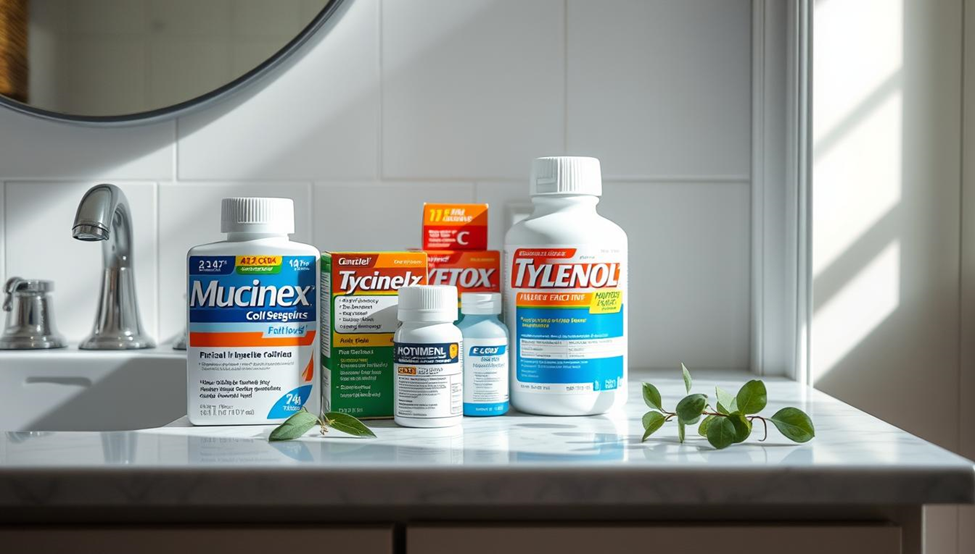
Taking Mucinex and Tylenol Together: Is It Safe?
Many people use over-the-counter (OTC) drugs like Mucinex and Tylenol to fight colds and flu. But, is it safe to take them together? This article looks into the ingredients, possible interactions, and how to use them safely. It aims to help you make the best choice for your health<>.
Key Takeaways
- Mucinex and Tylenol are safe when taken as directed, but be careful of side effects or interactions.
- The ingredients in Mucinex and Tylenol help in different ways to ease cold and flu symptoms.
- It's important to follow the right dosage and timing to avoid bad reactions or going over safe limits.
- Some health issues, age limits, and drug interactions might mean you should not take them together or talk to a doctor first.
- If you have severe side effects or symptoms get worse or last more than 7 days, stop taking them and see a doctor.
Understanding Mucinex and Tylenol: Basic Components
Mucinex and Tylenol are two common over-the-counter medicines. They help with cold, flu, and pain symptoms. Knowing what's in them helps you use them safely and effectively<>.
Active Ingredients in Mucinex
Mucinex has guaifenesin, a cough suppressant called dextromethorphan. It works on the brain's cough center<>. Some Mucinex also has decongestants like phenylephrine. These help with nasal congestion<>.
Active Ingredients in Tylenol
Tylenol mainly has acetaminophen. It's a pain reliever and fever reducer<>. Acetaminophen helps with mild to moderate pain and lowers fever<>.
How These Medications Work
Mucinex and Tylenol tackle different symptoms. Mucinex loosens mucus, making it easier to cough up. Tylenol eases headaches, body aches, and fever<><>. Together, they manage many cold and flu symptoms.
""Understanding the components of cold, flu, and headache relief medications is vital in ensuring safe and effective symptom management.""<>
Can You Take Mucinex and Tylenol Together: Safety Overview
It's usually okay to take Mucinex and Tylenol (acetaminophen) together if you follow the directions<>. But, be careful not to take too much acetaminophen. Taking too much can harm your liver<>. Always check the labels to make sure you're not taking too much acetaminophen from different sources<>.
Before mixing these medicines, talk to a doctor, especially if you have health issues or take other drugs<>. This helps make sure Mucinex and Tylenol work well together without causing problems.
|-------------------------|------------------------|-------------------------------------------------------------| | Medication | Active Ingredients | Key Function | | Mucinex | Guaifenesin | Acts as an expectorant to thin mucus for easier expulsion<> | | Tylenol (Acetaminophen) | Acetaminophen | Relieves pain and fever |
Remember, both Mucinex and Tylenol have acetaminophen. Taking too much can seriously damage your liver<>. So, keep track of how much acetaminophen you're taking when using both medicines.
In short, taking Mucinex and Tylenol together is usually safe. But, always follow the directions and talk to a doctor if you're unsure. Using these drug combinations responsibly helps keep you safe and healthy.
Benefits of Combining These Medications
Using Mucinex (guaifenesin) and Tylenol (acetaminophen) together can help with many cold and flu symptoms. Mucinex makes it easier to breathe by loosening mucus<>. Tylenol helps with fever, headaches, and body aches<>.
Relief from Multiple Symptoms
This combo tackles both breathing issues and body pains, offering better relief than each drug alone<>. But, it's not safe for kids under 6<>. Also, some products aren't good for kids under 12<>.
Duration of Combined Effects
The effects of Mucinex and Tylenol last about 4-6 hours<>. It's key to follow each drug's instructions and not take too much to avoid side effects<>.
Optimal Timing for Taking Both Medicines
For best results, take Mucinex and Tylenol at different times. This way, they work well together without you taking too much<><>.
Be aware of side effects like dizziness and headaches<><>. Serious issues like chest pain need medical help<>. Rare but serious allergic reactions can happen<><>.
Talk to your doctor about using these medicines together, especially if you have health issues or take other drugs<>. Safe use and monitoring are key to feeling better<><><>.
Important Safety Precautions and Warnings
When using cold medicines like Mucinex and Tylenol together, safety is key. The main worry is acetaminophen overdose<>. Tylenol's active ingredient, acetaminophen, can be dangerous if you take too much. Adults should not take more than 4,000 milligrams a day<>.
Always follow the dosage on the label and don't mix products with acetaminophen. This helps avoid serious side effects or even death<>.
People with certain health issues need to be careful. This includes liver disease, heart problems, high blood pressure, and chronic conditions<>. It's wise to talk to a doctor before using these medicines.
Pregnant women and those breastfeeding should also get advice from their healthcare provider. This is important for their safety and the health of their babies.
Drinking alcohol can make these medicines riskier<>. It's best to avoid alcohol when taking Tylenol or other acetaminophen products. This helps prevent liver damage.
Some people might get skin reactions like rashes or hives from acetaminophen<>. If this happens, stop using the medicine and see a doctor right away.
It's also important to know about interactions with other drugs, especially MAOIs<>. If you're taking MAOIs, don't mix them with Mucinex and Tylenol. This combo can cause serious problems.
By knowing and following these safety tips, you can use Mucinex and Tylenol safely. This helps manage cold and flu symptoms effectively<><>.
Maximum Daily Dosage Guidelines
When you mix over-the-counter drugs like Mucinex and Tylenol (acetaminophen), it's key to stick to the daily dose limits<>. Adults should not take more than 4,000 milligrams (4 grams) of acetaminophen a day<>. Always check the labels and instructions, as the exact dose can change based on the product and your health.
Recommended Tylenol Limits
Tylenol helps with mild to moderate pain and lowers fever<>. It's important to dose it right to avoid liver damage from too much<>.
Recommended Mucinex Limits
The dose for Mucinex depends on the type and your age/weight<>. Kids 2-12 years old should take 1/2-3/4 tsp to 2-3 tsp of Mucinex Cough. Mucinex Cold starts at 1/2 tsp and goes up to 2 tsp<>. Always follow the package or doctor's advice when using Mucinex.
Timing Between Doses
It's best to wait 4-6 hours between doses of Tylenol or Mucinex<>. Don't take more than 12 caplets of products with acetaminophen in 24 hours<>. Keeping the right timing is key for safe and effective use.
""Responsible self-medication with over-the-counter drug combinations requires careful attention to maximum daily dosage guidelines and timing between doses to ensure safety and efficacy.""
Potential Side Effects and Interactions
When you take Mucinex and Tylenol (acetaminophen) together, know the possible side effects and interactions. You might feel dizzy, drowsy, have headaches, nausea, or feel nervous<>. Serious issues like chest pain, fast heartbeat, severe skin reactions, or liver problems need immediate doctor's care<>.
Some medications and substances can interact with Mucinex. Mixing Mucinex with alcohol can cause dizziness, drowsiness, nausea, and vomiting<>. Alcohol can also make allergy symptoms worse, like itchy nose, sneezing, and nasal congestion<>. Drinking alcohol with Mucinex products that have acetaminophen can harm your liver severely<>.
Tell your doctor about all medications and supplements you're taking, including Mucinex and Tylenol. This ensures safe use and reduces risks of side effects or interactions<><>.
|------------------------------------------------------------------------------------------------------------------------------------------------------|------------------------------------------------------------------------------------------------------------------------| | Potential Side Effects | Possible Interactions | | ? Dizziness ? Drowsiness ? Headache ? Nausea ? Nervousness ? Chest pain ? Fast/irregular heartbeat ? Severe skin reactions ? Signs of liver problems | ? Alcohol ? Other acetaminophen-containing products ? MAOIs (monoamine oxidase inhibitors) ? Certain other medications |
Always follow the dosage guidelines and watch for any bad reactions when using Mucinex and Tylenol together. If you notice any concerning symptoms, get medical help right away<><>.
Who Should Avoid This Combination
The mix of Mucinex (guaifenesin) and Tylenol (acetaminophen) helps with cold and flu symptoms. But, some medical conditions and drug interactions need caution or avoidance<>.
Medical Conditions
People with liver disease, alcohol dependency, or blood-thinning issues should talk to their doctor first<>. Those with heart disease, diabetes, or thyroid problems should also be careful and get advice<>.
Drug Interactions
MAO inhibitors can cause serious, even deadly, reactions with this mix<><>. Always tell your doctor about all medications you're taking before mixing Mucinex and Tylenol.
Age Restrictions
Children under 6 should not take cold and cough meds without a doctor's say-so<><>. Kids under 12 should not take long-acting tablets or capsules without a doctor's watch<><>.
Knowing these warnings and talking to a doctor helps use this mix safely. It avoids risks or problems<><>.
Signs You Should Stop Taking These Medications
It's important to know when to stop taking Mucinex and Tylenol for fever and cold relief . If you feel nervous, dizzy, or can't sleep after taking them, stop and see a doctor<>.
If your pain, congestion, or cough gets worse and lasts over 7 days, or if a fever lasts more than 3 days, stop taking them and talk to a doctor<>. Also, watch for new symptoms, redness, or swelling. These could mean you should stop and see a doctor.
Look out for signs of an allergic reaction like a rash, itching, swelling, severe dizziness, or trouble breathing. If you see any of these, stop the meds right away and get emergency help<>. Also, if your cough comes back with a fever, rash, or headache, it's a sign to stop and see a doctor.
FAQ
Can you take Mucinex and Tylenol together?
Yes, it's usually safe to take Mucinex and Tylenol together. But, be careful not to take too much acetaminophen. Too much can harm your liver.
What are the active ingredients in Mucinex and Tylenol?
Mucinex has dextromethorphan, which helps stop coughing. Tylenol has acetaminophen, which relieves pain and lowers fever.
How do Mucinex and Tylenol work together to provide relief?
Mucinex helps with cough and congestion. Tylenol eases pain, headaches, and fever. Together, they offer relief from cold and flu symptoms.
What are the benefits of taking Mucinex and Tylenol together?
They help with many symptoms and their effects last 4-6 hours. Taking them as directed helps avoid too much of either medicine.
What are the safety precautions and warnings to consider?
Adults should not take more than 4000mg of acetaminophen a day. Avoid drinking alcohol with it. Watch for skin reactions to acetaminophen. Don't use if taking MAOIs.
Be careful if you have liver disease, heart issues, high blood pressure, or other health problems. Talk to a doctor before using if you're pregnant or breastfeeding.
What are the recommended dosage limits for Tylenol and Mucinex?
Adults should not take more than 4000mg of Tylenol a day. Mucinex dosages vary by product. Always follow the instructions or your doctor's advice.
Wait 4-6 hours between doses of either medicine. Never take more than 12 caplets of products with acetaminophen in 24 hours.
What are the potential side effects and interactions of taking Mucinex and Tylenol together?
Side effects might include dizziness, drowsiness, headache, nausea, and nervousness. Serious issues like chest pain, fast heartbeat, severe skin reactions, or liver problems need immediate medical help.
Interactions can happen with alcohol, other acetaminophen products, MAOIs, and certain medications.
Who should avoid taking Mucinex and Tylenol together?
People with liver disease, alcohol dependency, or taking blood thinners should talk to a doctor first. Those on MAOIs should avoid it. Children under 6 should only use cold medicines if a doctor says it's okay.
Children under 12 should not use some products. People with chronic conditions like heart disease, diabetes, or thyroid issues should also get medical advice before using.
When should you stop taking Mucinex and Tylenol?
Stop and see a doctor if you feel nervous, dizzy, or can't sleep. If pain, congestion, or cough gets worse or lasts more than 7 days, stop. Fever lasting more than 3 days or new symptoms also mean it's time to stop.
Stop if you see redness or swelling, or if you have a rash, severe dizziness, or trouble breathing. Also, stop if cough returns or comes with fever, rash, or persistent headache. These could be signs of a serious problem.