
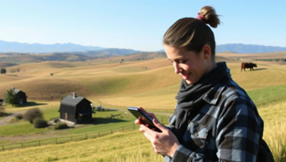
Telemedicine for Rural Areas: Connecting Healthcare to Remote Locations
Telemedicine is changing how healthcare is given in rural areas. It offers solutions through virtual care in places that need it most. The first web source says technology helps improve rural healthcare access and quality. Now, patients can get special care without leaving home, making healthcare more accessible.
Rural areas face big challenges like limited healthcare access. Telemedicine is key to solving these problems. It lets people get care without traveling far, which is crucial for rural folks.
Key Takeaways
- Telemedicine is expanding access to quality medical care in rural areas
- Rural healthcare solutions, such as telemedicine, are improving health outcomes in underserved communities
- Virtual care in underserved areas is reducing the need for travel and increasing access to specialized care
- Telehealth-enabled remote monitoring programs are decreasing in-person visits for chronic conditions
- Telemedicine for rural areas is addressing the unique challenges faced by rural communities
Understanding Telemedicine and Its Importance
Telemedicine is key for remote medical services . It lets patients in rural areas get quality care through telehealth. The second web source says telehealth uses tech to help healthcare from far away. This is crucial for rural areas where healthcare is hard to reach.
Telemedicine offers many benefits. It makes care more accessible, cuts costs, and improves health. For example, 95% of patients in a rural Tennessee program said telehealth was as good as seeing a doctor in person. It also helps use hospital beds better for urgent cases.
Some main benefits of telemedicine are:
- Remote patient monitoring can lower death rates and hospital stays in heart failure patients
- Virtual consultations save money by avoiding long trips for healthcare
- Telehealth platforms make it easy to get prescriptions
Telemedicine could change healthcare in rural areas a lot. It's very important. With the right tech and setup, it can help rural communities get better healthcare and health results.
|---------------------------|--------------------------------------------------------| | Telemedicine Service | Benefits | | Remote Patient Monitoring | Reduced hospitalization, improved health outcomes | | Virtual Consultations | Reduced travel costs, increased access to care | | Prescription Services | Easy access to medication, improved patient compliance |
Challenges of Healthcare in Rural Areas
Rural areas struggle to get quality healthcare. Telemedicine and outreach programs can help. One big issue is not having access to specialists. Rural hospitals offer fewer telehealth services than city hospitals.
Telehealth programs can connect rural folks with city specialists. This helps a lot.
Getting to healthcare can be hard because of long travel. Telemedicine lets patients get help without leaving home. But, rural areas often can't afford the tech needed for telemedicine.
To fix these problems, we need to focus on making telehealth better in rural areas. Here's how:
- Make sure rural areas have fast internet
- Train healthcare workers to use telehealth
- Pay for telehealth services so it's affordable
By tackling these issues and starting telehealth programs, we can bring better healthcare to rural areas. This will help close the healthcare gap.
|-------------------------------|----------------------------------------------| | Challenge | Solution | | Limited access to specialists | Telehealth outreach programs | | Transportation barriers | Remote consultations and monitoring | | Economic constraints | Reimbursement models for telehealth services |
The Rise of Telemedicine in the United States
Telemedicine has become key for healthcare, more so in rural areas. Its growth has been fast in recent years. The COVID-19 pandemic made telemedicine even more popular, helping to ease the load on healthcare systems.
Recent data shows a big jump in telemedicine visits. There was a 27.2% increase in rural areas and a 52.3% increase in cities.
Telemedicine offers many benefits for rural areas. It makes healthcare more accessible, cuts down travel times, and boosts patient happiness. It also leads to better health results, lower costs, and more patient involvement.
Also, telemedicine helps with privacy issues in small communities. This leads to better treatment results.
Some key stats on telemedicine adoption include:
- 0% of patients are from urban areas, while 10.3% are from large rural areas, 4.1% from small rural areas, and 2.6% from isolated rural areas
- The average number of annual visits per patient is 3.4 in urban areas, 3.3 in large rural areas, 2.9 in small rural areas, and 3.9 in isolated rural areas
- 8% of clinics in urban areas provide telemedicine, compared to 88.9% in large rural areas, 81.8% in small rural areas, and 91.7% in isolated rural areas
The growth of telemedicine in the U.S. has been impressive. Its benefits for rural healthcare are clear. As healthcare changes, telemedicine will likely play a bigger role in rural areas.
|----------------|----------------------------|---------------------------| | Location | Percentage of Patients | Average Annual Visits | | Urban | 83.0% | 3.4 | | Large Rural | 10.3% | 3.3 | | Small Rural | 4.1% | 2.9 | | Isolated Rural | 2.6% | 3.9 |
How Telemedicine Addresses Rural Healthcare Needs
Telemedicine is a key solution for rural healthcare needs. It offers virtual care in underserved areas and supports digital health for rural communities . This technology helps connect rural areas with urban ones, ensuring quality healthcare for all.
Telemedicine brings many benefits to rural areas. For example, it allows doctors to monitor patients with chronic conditions like diabetes and COPD. This way, they can offer timely care. It also makes it easier for patients to see specialists without having to travel far.
Some main advantages of telemedicine in rural areas include:
- More access to healthcare services
- Better health outcomes
- Less cost for travel and hospital stays
- Happier and more engaged patients
Recent data shows telehealth in rural areas has cut hospital readmission rates by up to 10%. It also boosts medication adherence, with rates reaching 90%.
As telehealth demand grows, we must tackle rural challenges like internet and healthcare provider access. Investing in telemedicine and promoting digital health for rural communities is crucial. This way, we ensure patients in underserved areas get the care they need to thrive.
|---------------------------|-------------------------------------------------------------| | Telemedicine Services | Benefits | | Remote Patient Monitoring | Improved health outcomes, reduced hospitalization rates | | Virtual Consultations | Increased access to specialty care, reduced travel costs | | Prescription Services | Enhanced patient convenience, improved medication adherence |
Technology Requirements for Telemedicine
Telehealth in rural areas needs specific technology to work well. Fast internet is key for sending medical info and talking in real-time between patients and doctors. The software used for telemedicine must be easy to use and work on many devices like phones, tablets, and computers.
It's also important to think about what devices patients can use. In rural areas, not everyone has access to the internet or certain devices. But, telehealth lets patients get medical help without leaving home. This makes it easier to get care and reduces the need to travel. Some services can even be done over the phone or through secure messages, even where internet is scarce.
Here are the main tech needs for telemedicine:
- Fast internet
- Easy-to-use telemedicine software and platforms
- Devices like phones, tablets, and computers
- Safe ways to send and store data
Meeting these tech needs helps rural telehealth programs. They offer more healthcare access, better health results, and less health gaps.
|-------------------------------------|----------------| | Technology Requirement | Importance | | Internet Connectivity | High | | Telemedicine Software and Platforms | Medium | | Device Accessibility | High |
Success Stories of Telemedicine in Rural Communities
Telemedicine has greatly helped rural areas get better healthcare. Remote medical services and telehealth outreach programs are key. They help solve problems like getting licensed to practice in different states. Also, more rural schools are using telehealth for mental health services, making care more available.
Telemedicine has also made a big difference in patient care. It has been shown to increase HIV care engagement by about 40%. Home care that combines telehealth and in-person visits has also shown to improve health by at least 25%. Patients are very happy with telemedicine, with 95% saying they are satisfied with the care they receive.
The following table highlights some of the key statistics on telemedicine in rural areas:
|------------------------------------------------------------|----------------------------------------------------------| | Statistic | Percentage/Value | | Patient satisfaction with telehealth | 95% | | Increase in engagement in care for individuals with HIV | 40% | | Improvement in health outcomes with home-based hybrid care | 25% |
Overall, telemedicine in rural communities shows great promise. It can really improve healthcare access and outcomes in these areas.
Future Trends in Telemedicine for Rural Areas
Telemedicine is set to be a key player in the future of healthcare, helping to reach more people in rural areas. It aims to close the gap in healthcare access between cities and countryside. shows that 20% of Americans, or 66 million people, live in rural areas, making this need urgent.
Artificial intelligence will make telemedicine services more accurate and efficient. Broadband access is also crucial for telemedicine to work well. points out that over 40 million Americans can't connect with healthcare providers online because of internet issues.
Some key trends in telemedicine for rural areas include:
- More people are using telemedicine, with 28% of visits in the first quarter of 2020
- There's a growing need for healthcare in rural areas, with 21.3% of rural seniors needing it
- More rural homes are getting broadband, with 83.9% now having it
As telemedicine for rural areas grows, we must tackle its challenges and seize its opportunities. By using technology and improving broadband, telemedicine can offer top-notch healthcare to millions of Americans.
|----------|----------------------------------------------------------------------------------|------------------------------------------------------------------------------------------------| | Year | Telehealth Appointments | Broadband Access | | 2020 | 28% of all office visits | 83.9% of households | | 2022 | 8-10% of all office visits | Expanding |
Addressing Regulatory and Privacy Concerns
Telehealth in rural areas is growing fast. It's key to tackle regulatory and privacy issues. Digital health in rural areas needs careful thought to ensure quality and security. HIPAA rules must be followed for all telehealth services.
Telehealth must meet the same rules as in-person care. This includes HIPAA and state licenses. It's vital to protect patient privacy by following these rules. Key steps for privacy include:
- Using multi-factor authentication on mobile devices
- Encrypting data between patients and providers
- Creating private telehealth workspaces
By tackling these issues, telehealth in rural areas can offer safe, quality care. This improves digital health for rural communities .
How to Get Started with Telemedicine
Telemedicine is changing how we get healthcare, making it easier for rural areas. It uses technology to connect patients with experts, breaking down old barriers.
To start with telemedicine, healthcare groups need to pick a good provider. They should look for one that fits their needs and is secure. It's important to find a provider that has experience in rural areas and offers good support.
Setting up telemedicine also means building a strong team and space. This includes having special coordinators and making sure patients can talk clearly over video. Getting grants can help pay for the needed equipment.
Telemedicine is making healthcare better for rural areas. It's bringing quality care closer to home. As it grows, we'll see more improvements in technology and policy.
Starting telemedicine in rural areas has its challenges. But the benefits are huge. Together, we can make sure everyone gets the care they need, no matter where they live.
FAQ
What is telemedicine and how does it work?
Telemedicine uses technology like video calls to offer healthcare services from afar. It lets doctors and patients talk and share health info without meeting in person. This includes live video chats, tracking health remotely, and sharing medical info.
What are the benefits of telemedicine for rural areas?
Telemedicine brings better healthcare to rural areas by cutting down travel needs. It also gives access to specialists, which is hard to find in rural places. This helps people get the care they need without facing big challenges.
How has the adoption of telemedicine grown in the United States?
Telemedicine has grown a lot in the U.S., with the COVID-19 pandemic speeding up its use. It's now key for healthcare, helping rural areas get the care they need. It also helps ease the load on hospitals.
What types of healthcare services can be provided through telemedicine?
Telemedicine offers many services like tracking health, virtual visits, and writing prescriptions. These services meet the needs of rural communities. They improve health, access to care, and lower costs.
What are the technology requirements for telemedicine?
For telemedicine, you need fast internet, special software, and devices like phones and computers. It's important that these tools are easy to use for both doctors and patients. This makes telemedicine work well in rural areas.
What are some success stories of telemedicine in rural communities?
Telemedicine has worked well in many rural clinics. It has led to better health, more access to care, and lower costs. People and doctors share how it has helped their communities.
What are the future trends in telemedicine for rural areas?
The future of telemedicine in rural areas looks bright. It will use more artificial intelligence, improve internet access, and get policy support. These changes will make healthcare better in rural areas.
What regulatory and privacy concerns are associated with telemedicine?
Telemedicine must follow HIPAA rules, state laws, and protect patient privacy. Doctors must focus on these rules to keep patient info safe and private.
How can healthcare providers and patients get started with telemedicine?
Doctors should pick a good telemedicine service, set up tech, and train everyone. Patients need the right devices and to know about telemedicine services in their area.
Source Links
- How telemedicine provides unique care in rural settings | NRHA - https://www.ruralhealth.us/blogs/2024/06/how-telemedicine-provides-unique-care-in-rural-settings
- The Key Benefits of Telehealth in Rural Areas - https://www.healthrecoverysolutions.com/blog/the-key-benefits-of-telehealth-in-rural-areas
- 7 Benefits of Telehealth in Rural Communities - https://www.tenovi.com/telehealth-in-rural-communities-2/
- A brief analysis of challenges in implementing telehealth in a rural setting - https://pmc.ncbi.nlm.nih.gov/articles/PMC9014233/
- Barriers to Telehealth in Rural Areas - RHIhub Toolkit - https://www.ruralhealthinfo.org/toolkits/telehealth/1/barriers
- Before and During Pandemic Telemedicine Use: An Analysis of Rural and Urban Safety-Net Clinics - https://pmc.ncbi.nlm.nih.gov/articles/PMC9462940/
- Narrowing the rural-urban health divide - https://www2.deloitte.com/us/en/insights/industry/public-sector/virtual-health-telemedicine-rural-areas.html
- Telemedicine in Rural Areas: Increasing Access to Care - https://www.healthrecoverysolutions.com/blog/telemedicine-in-rural-areas-increasing-access-to-care
- How Telemedicine is Reshaping Rural Healthcare Access - https://www.linkedin.com/pulse/how-telemedicine-reshaping-rural-healthcare-access-doctorsexplainfm-z6egf
- Addressing True Health Disparities: The Imperative of Telehealth and Telemental Health Services for Rural Americans - https://www.intechopen.com/chapters/1179504
- Telehealth and Health Information Technology in Rural Healthcare Overview - Rural Health Information Hub - https://www.ruralhealthinfo.org/topics/telehealth-health-it
- Preparing rural patients for telehealth - https://telehealth.hhs.gov/providers/best-practice-guides/telehealth-for-rural-areas/preparing-rural-patients-for-telehealth
- Telehealth Interventions and Outcomes Across Rural Communities in the United States: Narrative Review - https://pmc.ncbi.nlm.nih.gov/articles/PMC8430850/
- Community stories - https://telehealth.hhs.gov/community-stories
- A Case Study of Using Telehealth in a Rural Healthcare Facility to Expand Services and Protect the Health and Safety of Patients and Staff - https://pmc.ncbi.nlm.nih.gov/articles/PMC8232733/
- Strategic Advantages of Tele-Rheumatology for Challenges - https://www.eagletelemedicine.com/how-telemedicine-is-transforming-rural-healthcare/
- Advancing Rural Telehealth and Addressing Its Challenges | AHA Trustee Services - https://trustees.aha.org/advancing-rural-telehealth-and-addressing-its-challenges
- Trends in telehealth use among a cohort of rural patients during the COVID-19 pandemic - https://pmc.ncbi.nlm.nih.gov/articles/PMC10548799/
- Legal Considerations for Implementing a Telehealth Program - RHIhub Toolkit - https://www.ruralhealthinfo.org/toolkits/telehealth/4/legal-considerations
- A Comprehensive Review on Exploring the Impact of Telemedicine on Healthcare Accessibility - https://pmc.ncbi.nlm.nih.gov/articles/PMC11009553/
- Get started with rural telehealth - https://telehealth.hhs.gov/providers/best-practice-guides/telehealth-for-rural-areas/getting-started
- Resources Needed for Implementing Telehealth Programs - RHIhub Toolkit - https://www.ruralhealthinfo.org/toolkits/telehealth/4/resources-needed "