
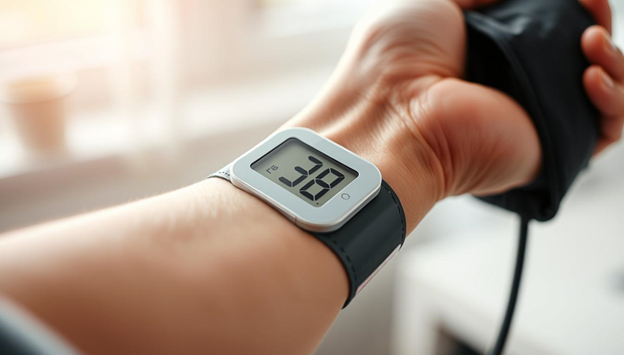
The Truth About High Morning Blood Pressure
High morning blood pressure, or morning hypertension, is a common issue. It affects many people and can raise the risk of heart problems. This is why many wonder why their blood pressure is high in the morning.
Blood pressure usually drops while we sleep and goes up when we wake. People fall into three groups: "dippers," "non-dippers," and "reverse dippers". Knowing why morning blood pressure is high is key to managing it. This can help lower the risk of heart attacks or strokes, a big worry for those with high morning blood pressure.
Studies show that 50% of people with controlled blood pressure still have high morning blood pressure. Normal blood pressure should be under 135/85 mm Hg. It's vital to check blood pressure often, morning included. This helps spot risks and manage the condition, answering questions about high morning blood pressure.
Key Takeaways
- High morning blood pressure is a common condition that can increase the risk of cardiovascular events.
- Blood pressure typically increases upon waking, with individuals categorizing into three patterns: "dippers," "non-dippers," and "reverse dippers".
- Understanding the causes of high morning blood pressure is crucial to managing the condition and reducing the risk of cardiovascular events.
- Monitoring blood pressure regularly, morning included, can help identify risks and manage the condition.
- Lifestyle changes, like regular exercise and a balanced diet, can help manage high morning blood pressure and lower heart risk.
- Home blood pressure monitors can be bought to track blood pressure and spot morning hypertension risks.
- The only FDA-cleared home blood pressure monitor for morning hypertension risk is the Omron Healthcare Model HEM-780.
Understanding Blood Pressure Basics
To understand morning hypertension reasons , you need to know about blood pressure basics. Blood pressure is the force of blood against artery walls, measured in millimeters of mercury (mmHg). Normal blood pressure is usually less than 120/80 mmHg. Knowing how to measure blood pressure and what normal levels are is key to understanding morning hypertension.
A normal blood pressure reading is below 120/80 mm Hg. Readings between 120/80 and 130/80 mm Hg are considered pre-hypertension. The American Heart Association recommends taking blood pressure at different times for accurate readings.
What is Blood Pressure?
Blood pressure is measured with a blood pressure monitor. This monitor has a cuff for the upper arm. The cuff inflates to stop blood flow, then deflates slowly. The pressure when blood starts flowing again is systolic, and when it stops is diastolic.
How is Blood Pressure Measured?
Blood pressure can be measured at home or in a clinic. It's important to use a validated monitor and follow the instructions for accurate readings.
What are Normal Blood Pressure Levels?
Normal blood pressure is less than 120/80 mmHg. Readings between 120/80 and 130/80 mm Hg are pre-hypertension. High Blood Pressure (Hypertension) Stage 1 is 130 to 139 systolic or 80 to 89 diastolic.
|-----------------------------|-----------------------|------------------------| | Blood Pressure Category | Systolic Pressure | Diastolic Pressure | | Normal | Less than 120 mmHg | Less than 80 mmHg | | Elevated | 120-129 mmHg | Less than 80 mmHg | | Stage 1 Hypertension | 130-139 mmHg | 80-89 mmHg |
Why Does Blood Pressure Fluctuate?
Blood pressure changes throughout the day, peaking in the late morning and early afternoon. This change is due to physical activity, stress, and sleep patterns. Knowing these factors helps manage high morning blood pressure.
The Mayo Clinic says blood pressure changes are normal and follow a pattern. Emotional stress and certain foods can raise blood pressure. Wearing a 24-hour monitor can show how blood pressure changes all day.
Several things affect daily blood pressure:
- Physical activity
- Stress and anxiety
- Sleep patterns
- Certain medications
- Foods high in tyramine or sodium
Knowing these factors helps manage morning blood pressure and live a healthy life.
Studies link blood pressure changes to heart disease and early death. So, it's important to watch and manage these changes to avoid heart problems.
Natural Variations Throughout the Day
Blood pressure goes up a few hours before waking, peaks at midday, then drops in the evening. This change is due to the body's natural rhythms, which help manage morning blood pressure.
Factors Influencing Daily Blood Pressure
Things like obesity, high sodium diet, and age increase blood pressure risk. Some groups are more likely to have high blood pressure, making morning hypertension worse.
Exploring Circadian Rhythms
Knowing the body's natural rhythms is key to managing morning blood pressure. By understanding these changes, we can reduce the risks of high morning blood pressure and stay healthy.
|-----------------|----------------------------------------| | Time of Day | Blood Pressure Levels | | Morning | Peaks around midday | | Afternoon | Declines into the evening | | Night | Reaches its lowest levels during sleep |
Common Causes of High Morning Blood Pressure
High morning blood pressure can stem from several sources, like sleep quality, stress, and medications. Medical News Today points out that sleep quality and stress play a role in high morning blood pressure. Poor sleep can raise blood pressure, while stress narrows blood vessels, increasing pressure.
To lower morning blood pressure, making lifestyle changes and using remedies can help. It's key to have a regular sleep schedule and manage stress. Also, checking blood pressure often, like in the morning, can spot issues early.
Some medications, like those for depression and anxiety, can also raise morning blood pressure. Talking to a doctor is vital to find ways to lower morning blood pressure. Knowing the causes and using the right remedies can reduce the risk of heart problems.
The Role of Diet
Managing morning blood pressure spike
starts with a balanced diet. The American Heart Association suggests eating less salt and saturated fat to lower blood pressure. Try to keep salt intake under 2,300 mg a day, aiming for 1,500 mg if possible. Also, limit saturated fat to 6% of your daily calories and total fat to 27%.
Eating more fruits, vegetables, and whole grains can also help. The DASH diet, which cuts down on sodium and focuses on potassium, can lower blood pressure by up to 11 mm Hg. It's also good to keep carbs at 55% of your daily calories and cholesterol at 150 mg. Make sure to get at least 30 grams of fiber a day and avoid foods high in saturated fat.
Here are some key dietary recommendations to help manage morning blood pressure spike
:
- Limit sodium intake to no more than 2,300 mg per day
- Emphasize potassium-rich foods, such as fruits and vegetables
- Choose lean protein sources, such as soy and skinless chicken
- Incorporate high soluble fiber foods, such as oats and lentils
- Avoid foods high in saturated fat and trans fat
By following these dietary recommendations, you can significantly reduce your morning blood pressure spike
. This helps maintain heart health.
|-----------------------|------------------------------------| | Dietary Component | Recommended Intake | | Sodium | No more than 2,300 mg per day | | Saturated Fat | No more than 6% of daily calories | | Total Fat | No more than 27% of daily calories | | Fiber | At least 30 grams per day |
Dehydration and Blood Pressure
Dehydration can greatly affect blood pressure. It's key to drink plenty of water, mainly in the morning, to manage high blood pressure. The National Academies suggest drinking 125 ounces for men and 91 ounces for women daily. Not drinking enough can cause low blood volume, which lowers blood pressure.
Knowing the signs of dehydration is important. These include feeling lightheaded, tired, and confused, which can happen with low blood pressure. To avoid dehydration and prevent morning hypertension, drink at least eight glasses of water a day, or about 2 liters. Also, eating foods that are high in water, like fruits and veggies, can help keep blood pressure healthy.
Here are some tips for staying hydrated:
- Drink plenty of water throughout the day
- Eat hydrating foods, such as watermelon and cucumbers
- Limit caffeine and alcohol intake, as they can have diuretic effects
By following these tips and staying hydrated, you can help control your blood pressure and lower the risk of morning hypertension. Remember, dehydration can cause serious problems like heart or brain damage if not treated. So, make sure to drink enough water every day.
|-----------------------------------------------------------|-----------------------------|-----------------------------| | Daily Fluid Intake Recommendation | Men | Women | | National Academies of Sciences, Engineering, and Medicine | 125 ounces | 91 ounces | | Mayo Clinic | at least 8 glasses of water | at least 8 glasses of water |
Lifestyle Factors and Their Impact
Knowing what affects high morning blood pressure is key to managing it. Regular exercise can lower blood pressure by 8 to 10 points. It improves heart health, reducing hypertension risk. Smoking and drinking too much alcohol can raise blood pressure. Men should not drink more than two drinks a day, and women should limit it to one.
For those wondering about high morning blood pressure, lifestyle plays a big role. Lack of activity, bad diet, and habits can cause it. Healthy changes like losing weight and eating less sodium can help. Losing just 7.7 pounds can cut high blood pressure risk by 50 percent or more.
Managing high morning blood pressure
requires a whole-body approach. This includes exercise, a balanced diet, and managing stress. Understanding lifestyle's role in blood pressure helps prevent hypertension and its complications. The Centers for Disease Control and Prevention say exercise lowers blood pressure. This shows how important physical activity is for heart health.
|-------------------------------|-----------------------------------------| | Lifestyle Factor | Impact on Blood Pressure | | Regular Exercise | Lowers blood pressure by 8 to 10 points | | Smoking | Increases blood pressure | | Excessive Alcohol Consumption | Raises blood pressure |
Medical Conditions to Consider
Exploring morning hypertension reasons means looking at many medical conditions. Issues like obstructive sleep apnea, thyroid problems, and kidney disease can raise blood pressure. It's key to know how these conditions affect blood pressure to grasp morning hypertension.
The Mayo Clinic study showed that sleep apnea can cause high blood pressure in the morning. Thyroid problems, like hypothyroidism, can also impact blood pressure. Kidney disease makes it hard for kidneys to filter waste and fluids, leading to high blood pressure.
Important factors to think about include:
- Obstructive sleep apnea, which can increase blood pressure during sleep
- Thyroid issues, such as hypothyroidism, which can affect blood pressure
- Kidney disease, which can lead to high blood pressure due to decreased kidney function
Knowing about medical conditions that may cause morning hypertension reasons helps. Taking steps to manage these conditions can help lower blood pressure levels.
When to Seek Medical Advice
Knowing the signs of high blood pressure is key to managing it. The American Heart Association says to get help right away if you have chest pain or trouble breathing. High blood pressure often doesn't show symptoms, making it a silent threat.
Regular visits to your doctor are important. They can check your blood pressure and talk about your health. Your doctor will also do a physical exam to find the right treatment for you. It's best to check your blood pressure in the morning before eating and in the evening after dinner to get accurate readings.
Things like sleep, stress, and some medicines can raise your morning blood pressure. Cutting down on caffeine can also help lower it. Knowing these factors can help you manage your blood pressure and lower your risk of heart disease.
Working with your doctor is crucial to manage high morning blood pressure. They might suggest changes in your lifestyle, like more exercise and a healthy diet. They might also recommend medication. By controlling your blood pressure, you can avoid serious health problems and feel better overall.
Managing Morning Blood Pressure
Controlling high morning blood pressure needs a few steps. Start with lifestyle changes like regular exercise and a balanced diet. This diet should be low in sodium and saturated fats. Also, cut down on alcohol and stop smoking to help with morning hypertension.
If high morning blood pressure doesn't go away, you might need medicine. A doctor can help figure out the right treatment. This could mean changing when or how much medicine you take. Sometimes, taking more than one medicine at a time works better.
Living a healthy lifestyle for the long term is key. Keep a healthy weight, manage stress with meditation or yoga, and get enough sleep. Also, check your blood pressure regularly at home and at the doctor's office. This helps catch any changes or health issues that might cause morning hypertension.
FAQ
What causes high blood pressure in the morning?
High morning blood pressure can be due to many reasons. These include medication, health conditions, and lifestyle choices. Poor sleep, stress, and some medicines can raise your blood pressure in the morning.
How does blood pressure normally fluctuate throughout the day?
Blood pressure changes throughout the day. It's usually highest in late morning and early afternoon. This change is influenced by activity, stress, sleep, and our body's natural rhythms.
What are the effects of dehydration on blood pressure?
Dehydration can lower blood pressure, causing dizziness and fainting. Drinking enough water, even in the morning, is crucial for managing blood pressure.
How do lifestyle factors like exercise and alcohol affect morning blood pressure?
Lifestyle choices greatly affect morning blood pressure. Exercise can lower it, while smoking and drinking too much alcohol can raise it.
What medical conditions can contribute to high morning blood pressure?
Some health issues, like sleep apnea, thyroid problems, and kidney disease, can cause high morning blood pressure. These conditions make it hard for the body to control blood pressure, leading to high readings in the morning.
When should I seek medical attention for high morning blood pressure?
If you have symptoms like chest pain or trouble breathing, get help right away. Regular doctor visits are important for monitoring blood pressure and preventing problems.
How can I manage high morning blood pressure?
Managing high morning blood pressure
needs lifestyle changes and medical treatment. Changes like exercise and a healthy diet can help. Medicines like diuretics and beta blockers can also control blood pressure. Working with your doctor to create a healthy plan is essential.
Source Links
- Is Blood Pressure Higher in the Morning? Here's What You Need to Know - https://www.verywellhealth.com/is-blood-pressure-higher-in-the-morning-8655634
- The Risk of Waking Up Impact of the morning surge in blood pressure - https://pmc.ncbi.nlm.nih.gov/articles/PMC2841701/
- Early to Rise? Your Blood Pressure May Be Too! - https://www.pharmacytimes.com/view/2007-04-6392
- Is Blood Pressure Higher in the Morning? - K Health - https://khealth.com/learn/hypertension/is-blood-pressure-higher-in-the-morning/
- Understanding Blood Pressure Readings - https://www.heart.org/en/health-topics/high-blood-pressure/understanding-blood-pressure-readings
- Why Does My Blood Pressure Fluctuate? - https://www.healthline.com/health/fluctuating-blood-pressure
- Morning Hypertension: Why Is My Blood Pressure Higher In The Morning? - https://healthmatch.io/high-blood-pressure/why-is-my-blood-pressure-high-in-the-morning
- Discover if It's Normal for Your Blood Pressure to Fluctuate - https://www.verywellhealth.com/normal-blood-pressure-fluctuations-throughout-the-day-1764097
- Morning blood pressure surge: pathophysiology, clinical relevance and therapeutic aspects - https://pmc.ncbi.nlm.nih.gov/articles/PMC5973439/
- Why is My Blood Pressure Higher in the Morning? - https://www.ihealthunifiedcare.com/articles/why-is-my-blood-pressure-higher-in-the-morning
- Why Morning High Blood Pressure a Health Threat? - https://aktiia.com/uk/morning-high-blood-pressure
- High blood pressure and diet: MedlinePlus Medical Encyclopedia - https://medlineplus.gov/ency/article/007483.htm
- Blood Pressure After Eating, Plus Other Factors That Affect Readings - https://www.healthline.com/health/blood-pressure-after-eating
- High blood pressure and diet - UF Health - https://ufhealth.org/conditions-and-treatments/high-blood-pressure-and-diet
- How Dehydration Affects Blood Pressure - https://health.clevelandclinic.org/dehydration-and-blood-pressure
- Dehydration and Blood Pressure: What's the Connection? - https://www.healthline.com/health/dehydration-and-blood-pressure
- Did You Know There's a Connection Between Blood Pressure and Dehydration? - https://www.kelsey-seybold.com/your-health-resources/blog/did-you-know-theres-a-connection-between-blood-pressure-and-dehydration
- Hypertension: What You Need to Know as You Age - https://www.hopkinsmedicine.org/health/conditions-and-diseases/high-blood-pressure-hypertension/hypertension-what-you-need-to-know-as-you-age
- Elevated blood pressure and hypertension: What's the difference?-Elevated blood pressure - Symptoms & causes - Mayo Clinic - https://www.mayoclinic.org/diseases-conditions/prehypertension/symptoms-causes/syc-20376703
- High Blood Pressure and Older Adults - https://www.nia.nih.gov/health/high-blood-pressure/high-blood-pressure-and-older-adults
- Know Your Risk Factors for High Blood Pressure - https://www.heart.org/en/health-topics/high-blood-pressure/know-your-risk-factors-for-high-blood-pressure
- What are the Signs and Symptoms of High Blood Pressure? - https://www.heart.org/en/health-topics/high-blood-pressure/know-your-risk-factors-for-high-blood-pressure/what-are-the-symptoms-of-high-blood-pressure
- Why Is My Blood Pressure High in the Morning? | Carda Health - https://www.cardahealth.com/post/why-is-my-blood-pressure-high-in-the-morning
- Management of morning hypertension: a consensus statement of an Asian expert panel - https://pmc.ncbi.nlm.nih.gov/articles/PMC8030813/
- What does high blood pressure in the morning mean? - https://www.medicalnewstoday.com/articles/327151
- Why is My Blood Pressure High in the Morning? - https://healthcareassociates.com/why-is-my-blood-pressure-high-in-the-morning/
- Blood pressure: Does it have a daily pattern? - https://www.mayoclinic.org/diseases-conditions/high-blood-pressure/expert-answers/blood-pressure/faq-20058115