
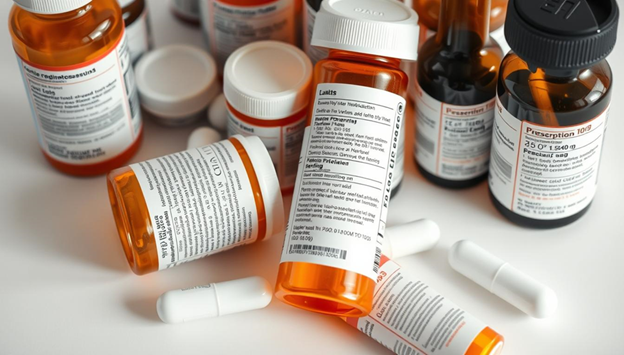
Understand Your Meds: How to Read Prescription Labels
Medication labels are essential for ensuring safe and effective treatment. They provide critical information about dosage, warnings, and storage requirements. Misreading these details can lead to serious mistakes, making clarity vital.
Every drug label includes specific instructions tailored to the patient's needs. From the name of the medicine to expiration dates, these details help users avoid errors. For example, CVS Pharmacy's labels are designed to be user-friendly, offering clear guidance.
This guide aims to simplify label components, helping you make informed decisions about your health. Understanding these elements ensures you use your medication correctly, maximizing its benefits and minimizing risks.
Introduction to Prescription Labels
Every prescription label contains essential details for proper drug use. These labels are legal documents required on all dispensed medications. They ensure patients receive accurate information about their treatment.
Unlike over-the-counter drug facts panels, prescription labels are tailored to individual needs. They list active ingredients, such as "antihistamine" or "pain reliever," along with their strengths. This helps users understand what their medicine contains and how it works.
It's crucial to check labels for allergy risks. Inactive ingredients, like dyes or preservatives, can cause reactions. Always review the information provided to avoid complications.
While labels may vary slightly between pharmacies, such as CVS Pharmacy and mail-order services, they share core components. These include the drug name, dosage instructions, and storage requirements. Understanding these elements ensures safe and effective use of your medicine.
|----------------------|-------------------------------------------------------------| | Component | Purpose | | Active Ingredient | Identifies the primary substance in the drug. | | Strength | Specifies the amount of active ingredient per dose. | | Usage Directions | Provides instructions for safe and effective use. | | Inactive Ingredients | Lists additional substances, such as dyes or preservatives. |
Key Components of a Prescription Label
Understanding the details on a medication label ensures safe and effective use. These labels are packed with critical information to guide patients through their treatment. From the drug name to storage instructions, every component plays a vital role.
Medication Name and Strength
The name of the medication appears prominently on the label. It includes both the brand and generic versions, such as acetaminophen (Tylenol). This helps avoid confusion and ensures the correct drug is used.
Strength, like 500mg, indicates the amount of active ingredient per dose. Exceeding the recommended strength can lead to overdose, making this detail crucial for safety.
Dosage Instructions
Dosage instructions specify how much to take and how often. For example, "two tablets every 4-6 hours" is a common directive. These guidelines often include age-specific recommendations and daily limits to prevent toxicity.
Always follow the prescribed dosage to avoid harmful side effects.
Expiration Date and Storage Information
Expiration dates ensure the medication remains effective. Labels also provide storage guidelines, such as keeping the drug in a cool, dry place. Avoid storing medications in bathrooms or cars, as heat and humidity can degrade them.
CVS Pharmacy labels often include tamper-evident seals and clear expiration date placement. These features add an extra layer of safety.
|---------------------|-----------------------------------------------------------------------| | Component | Details | | Medication Name | Brand and generic versions (e.g., acetaminophen vs. Tylenol). | | Strength | Amount of active ingredient per dose (e.g., 500mg). | | Dosage Instructions | Specific amounts and frequency (e.g., "two tablets every 4-6 hours"). | | Storage Guidelines | Temperature ranges and unsafe locations (e.g., avoid bathrooms). |
How to Read Prescription Labels Effectively
Deciphering the details on a medication label can significantly enhance safety and efficacy. These labels are packed with critical information to guide users through their treatment. From warnings to inactive ingredients, every detail matters.
Understanding Warnings and Precautions
Warnings on a drug label outline who should avoid the medication and potential side effects. Terms like "contraindications" indicate conditions or interactions that make the medicine unsafe. For example, certain drugs should not be taken with alcohol or by individuals with specific health issues.
Always review these sections to ensure the medication is safe for you. If you experience severe side effects, contact your doctor immediately. Precautions like avoiding sunlight with certain medications are also critical for safety.
Identifying Inactive Ingredients
Inactive ingredients, such as preservatives or dyes, are listed separately on the label. These substances may trigger allergies in some individuals. For example, gluten or lactose intolerance can be affected by these components.
Comparing inactive ingredient lists across brands, like generic vs. name-brand ibuprofen, can help identify variations. This ensures you choose a medicine that aligns with your health needs.
|----------------------|----------------------------------------------------------| | Component | Details | | Warnings | Lists contraindications, side effects, and precautions. | | Inactive Ingredients | Includes preservatives, dyes, and allergens like gluten. | | Storage Guidelines | Ensures medications remain effective and safe to use. |
Properly following the information on the label, including storage instructions, prevents issues like melted pills. Always adhere to the guidelines provided to maximize the benefits of your medicine.
Conclusion
Taking the time to understand medication details ensures safer and more effective treatment. Always double-check the name, dosage, and warnings to avoid misuse. Pharmacists can clarify questions, especially about inactive ingredients or potential allergies.
Ignoring expiration dates or improper storage can reduce the effectiveness of your medicine . Verify seals and storage conditions to ensure your drug remains safe to use. This guide serves as a handy reference for future prescriptions, helping you stay informed and healthy.
CVS Pharmacy's privacy practices remind us to safeguard personal health information . By staying vigilant and informed, you can maximize the benefits of your medication while minimizing risks.
FAQ
What information is included on a prescription label?
A prescription label typically includes the medication name, strength, dosage instructions, expiration date, and storage details. It may also list warnings, precautions, and inactive ingredients.
Why is it important to check the dosage instructions?
Dosage instructions ensure the medication is taken correctly for maximum effectiveness and safety. Skipping or misreading this information can lead to underdosing or overdosing.
How can I identify inactive ingredients on a label?
Inactive ingredients are often listed below the active ones. These components, like fillers or preservatives, don't treat the condition but are essential for the drug's formulation.
What should I do if I don't understand the warnings on the label?
If warnings or precautions are unclear, consult a pharmacist or healthcare provider. They can explain potential side effects or interactions to ensure safe use.
Why is the expiration date on a prescription label important?
The expiration date indicates when the medication may lose its potency or become unsafe to use. Always check this date before taking any drug.
How should I store my medication based on the label?
Storage instructions, such as keeping the drug in a cool, dry place or refrigerating it, help maintain its effectiveness. Follow these guidelines to ensure the medication works as intended.