
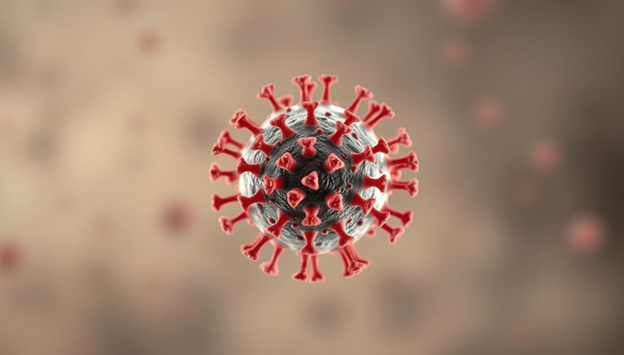
Understanding Herpes: Why It May Get Worse With Age
The herpes simplex virus (HSV) is a common infection that affects millions of people worldwide. There are two main types: HSV-1, which primarily causes oral herpes, and HSV-2, which is often linked to genital herpes. While many people experience mild symptoms or none at all, the virus can become more problematic over time^1^.
Studies show that the immune system plays a crucial role in managing the virus. As people grow older, their immune response may weaken, leading to more frequent or severe outbreaks^2^. This is particularly evident in men and those assigned male at birth after the age of 50, who may experience more severe episodes compared to earlier years^2^.
Understanding how the virus behaves over time is essential for effective management. This article explores the relationship between HSV and aging, offering insights from clinical studies and practical tips for everyday care. By staying informed, individuals can take proactive steps to manage their health and reduce the impact of the virus.
Key Takeaways
- Herpes simplex virus (HSV) can become more challenging to manage as the immune system weakens with age.
- HSV-1 and HSV-2 are the two main types, with HSV-1 often causing oral herpes and HSV-2 linked to genital herpes.
- Men and those assigned male at birth may experience more severe outbreaks after the age of 50.
- Stress, diet, and lifestyle choices can influence the frequency and severity of outbreaks.
- Regular medical care and antiviral treatments can help manage symptoms effectively.
Introduction to Herpes Infections
HSV, a virus with two main types, impacts millions worldwide. The herpes simplex virus (HSV) is a persistent infection that can cause both oral and genital issues. There are two primary types: HSV-1, often linked to oral infections, and HSV-2, which is more commonly associated with genital infections. While some people experience noticeable symptoms, others may carry the virus without ever knowing it.
What is Herpes Simplex Virus?
The simplex virus is highly contagious and spreads through direct contact. HSV-1 is typically transmitted through oral contact, such as kissing or sharing utensils, while HSV-2 is usually spread through sexual contact. Interestingly, an estimated 3.8 billion people under age 50 globally have HSV-1, and 520 million aged 15--49 have HSV-2^3^.
Many people with HSV don't show symptoms, a condition known as asymptomatic infection. However, even without visible signs, the virus can still be transmitted. This is called asymptomatic shedding, which occurs in about 1% to 3% of those with HSV-2^4^.
Common Transmission Routes
Transmission of HSV often happens through direct contact with an infected person. This includes kissing, sexual activity, or even touching an active sore. Asymptomatic shedding is another key route, where the virus is spread without any visible symptoms. For example, the first outbreak of genital herpes typically lasts two to three weeks, but the virus can remain dormant and reactivate later^4^.
According to the CDC, consistent use of condoms can reduce the risk of HSV transmission, though it's not foolproof. Treatment options, like daily antiviral medication, can lower the frequency of outbreaks and reduce the risk of spreading the virus^4^.
"Understanding how HSV spreads is crucial for prevention and management."
Whether symptomatic or asymptomatic, HSV is a lifelong infection. Recognizing the signs and knowing how it spreads can help individuals take steps to protect themselves and others.
Herpes Simplex Virus: Types and Differences
HSV-1 and HSV-2 are the two main types of the herpes simplex virus, each with unique characteristics and transmission routes. While both can cause discomfort, they primarily affect different areas of the body. Understanding these differences is essential for effective management and prevention.
HSV-1 vs. HSV-2 Overview
HSV-1 is often linked to oral infections, commonly known as cold sores. It's typically spread through direct contact, such as kissing or sharing utensils. Globally, around 67% of the population carries HSV-1, with many infections occurring in childhood^5^.
HSV-2, on the other hand, is primarily associated with genital infections. It's usually transmitted through sexual contact and affects about 13% of the global population^5^. Repeat outbreaks are more common with HSV-2, making it a persistent concern for many.
Oral Versus Genital Manifestations
Oral herpes, caused by HSV-1, often presents as blisters or sores around the mouth. Symptoms can appear within 48 hours after initial tingling or itching^6^. These outbreaks are usually mild but can recur during periods of stress or illness.
Genital herpes, caused by HSV-2, manifests as sores in the genital area. It's often accompanied by fever, headache, and swollen lymph nodes^6^. While antiviral treatments can reduce the frequency of outbreaks, the virus remains dormant in the body.
"Recognizing the differences between HSV-1 and HSV-2 helps individuals take proactive steps in managing their health."
Both types of the virus can lead to asymptomatic shedding, where the virus is spread without visible symptoms. This highlights the importance of understanding transmission routes and taking preventive measures.
Herpes Getting Worse With Age
As individuals grow older, managing certain infections can become more challenging. The body's ability to handle persistent viruses, like the herpes simplex virus (HSV), may weaken over time. This is partly due to natural changes in the immune system , which plays a key role in controlling such infections^7^.
Research shows that higher levels of HSV antibodies are linked to increased health risks in older adults. For example, a study found that each unit increase in HSV-2 antibody levels was associated with a 47% higher risk of mortality^7^. This suggests that the virus may have a greater impact as people age.
Age-related immune decline can lead to more frequent reactivation episodes. When the immune system weakens, the virus may become more active, causing more severe symptoms. For instance, older adults often experience longer-lasting and more painful outbreaks compared to younger individuals^8^.
Complications from HSV infections can also increase with age. Studies indicate that older adults with higher antibody levels are more likely to develop frailty or other health issues^7^. This highlights the importance of monitoring and managing the virus as part of overall health care.
"Understanding how aging affects the body's response to infections is crucial for effective management."
Here are some key points to consider:
- Higher antibody levels are linked to increased health risks in older adults.
- Immune system decline can lead to more frequent and severe reactivation episodes.
- Complications, such as frailty, are more common in older individuals with persistent infections.
By staying informed and proactive, individuals can better manage the impact of infections as they age. Regular medical care and healthy lifestyle choices can make a significant difference.
How Aging Impacts the Immune System
The immune system naturally weakens over time, making it harder to fight off infections. This process, known as immunosenescence, leads to a decline in the body's ability to respond to threats^9^. As people grow older, their immune cells, like T cells and B cells, become less effective at recognizing and attacking harmful invaders^9^.
Chronic inflammation, often called "inflammaging," is another key factor. Older adults tend to have higher levels of pro-inflammatory cytokines like IL-6, which can contribute to health issues^9^. This inflammation not only weakens the immune response but also increases the risk of diseases like heart conditions and diabetes^10^.
Studies show that older adults with higher levels of inflammation are more likely to experience frailty and other complications^10^. For example, elevated IL-6 levels are linked to a higher risk of disability and mortality^9^. This highlights the importance of managing inflammation as part of overall health care.
"Understanding the connection between aging and immune decline is crucial for preventing and managing infections."
Here are some key points to consider:
- The immune system's ability to produce new cells decreases with age, leading to fewer naïve T cells and B cells^9^.
- Chronic inflammation can worsen health outcomes and increase the risk of diseases^10^.
- Regular medical care and healthy lifestyle choices can help support the immune system as it ages.
Research Insights on Herpes, Frailty, and Mortality
Recent studies highlight the connection between viral infections and long-term health risks in older adults. One key area of focus is how infections like HSV-1 and HSV-2 may contribute to frailty and mortality in aging populations^11^.
Findings from community-dwelling studies show that individuals with higher antibody levels for HSV-1 and HSV-2 are more likely to experience frailty. For example, a study found that each unit increase in HSV-2 antibody levels was linked to a 47% higher risk of mortality^11^. This suggests that the virus may play a significant role in long-term health outcomes.
Adjustments for confounders, such as age and underlying health conditions, further emphasized this association. Researchers noted that even after accounting for these factors, the risk of frailty remained elevated in those with higher antibody levels^11^.
"These findings underscore the importance of monitoring infections as part of overall health care in older adults."
Here are some key takeaways:
- Higher antibody levels for HSV-1 and HSV-2 are associated with increased frailty and mortality^11^.
- Adjustments for confounders confirm the virus's impact on long-term health.
- Regular monitoring and treatment can help mitigate these risks.
Understanding these connections is crucial for developing strategies to improve health outcomes in aging populations. By addressing infections early, individuals can reduce their risk of complications and maintain a better quality of life.
Biological Mechanisms Behind Herpes Reactivation
The biological mechanisms behind viral reactivation reveal how infections can resurface over time. After the initial infection, the virus enters a latent state, hiding in nerve cells called sensory ganglia. This allows it to remain dormant for years, avoiding detection by the immune system^12^.
Reactivation occurs when the virus becomes active again, often triggered by factors like stress, illness, or immune suppression. During this phase, the virus travels back along the nerve pathways to the skin or mucous membranes, causing visible symptoms^13^.
Cellular immunity plays a crucial role in controlling the virus. When the immune response weakens, the virus can escape detection and reactivate. Inflammatory responses also contribute to this process, as they create an environment that supports viral activity^12^.
Research highlights the significance of nerve ganglia as reservoirs for the virus. These clusters of nerve cells store the virus during latency and serve as the starting point for reactivation. Understanding this mechanism is key to developing effective treatments^13^.
"The interplay between the virus and the immune system determines the frequency and severity of outbreaks."
Here's a summary of the biological mechanisms behind reactivation:
|---------------------------|---------------------------------------------------------------------------| | Mechanism | Description | | Latency | The virus hides in nerve cells, remaining inactive for long periods. | | Reactivation Triggers | Stress, illness, or immune suppression can activate the virus. | | Nerve Pathways | The virus travels back to the skin or mucous membranes, causing symptoms. | | Immune Response | Weakened immunity allows the virus to escape detection and reactivate. |
By understanding these mechanisms, individuals can better manage the virus and reduce the risk of outbreaks. Regular medical care and healthy lifestyle choices play a vital role in maintaining control over the infection.
Symptom Progression and Outbreak Patterns
Understanding how symptoms evolve over time is key to managing outbreaks effectively. The initial signs often include tingling or itching, followed by the appearance of blisters on the skin . These blisters can be painful and may take several days to heal^14^.
Primary outbreaks, which occur after the first infection, are typically the most severe. They can last up to three weeks and may include flu-like symptoms such as fever and fatigue^15^. Subsequent recurrences are usually milder and resolve faster, often within a week.
Several factors influence the frequency and severity of outbreaks. Stress, illness, and a weakened immune system are common triggers. Research shows that the rate of viral shedding decreases over time, with fewer episodes occurring years after the initial infection^14^.
"Recognizing early signs can help individuals take proactive steps to manage outbreaks."
Here's a breakdown of typical outbreak stages:
- Prodrome: Tingling or itching signals an impending outbreak.
- Blisters: Small, fluid-filled sores appear on the skin or mucous membranes.
- Healing: Blisters crust over and heal, usually within 7--10 days.
Clinical studies indicate that the mean length of total shedding episodes is 4.6 days, while genital lesion episodes last about 7.4 days^14^. Over time, the body's immune response helps reduce the frequency and duration of outbreaks.
By understanding these patterns, individuals can better anticipate and manage their symptoms. Early intervention and healthy lifestyle choices play a crucial role in minimizing the impact of outbreaks.
Factors Contributing to Herpes Reactivation in Older Adults
As the body ages, its ability to fight off infections becomes less effective. This natural decline in immune function can lead to more frequent viral reactivation, including the herpes simplex virus. Understanding the factors behind this process is crucial for managing health in older adults.
Immune System Decline
The immune system weakens over time, a process known as immunosenescence. This makes it harder for the body to control persistent infections. Studies show that older adults with higher levels of inflammation, such as elevated IL-6, are more likely to experience health complications^16^.
Chronic inflammation, often linked to aging, can worsen the body's response to infections. For example, higher levels of C-reactive protein (CRP) are associated with increased risks of cardiovascular disease and frailty^16^. These changes create an environment where viruses can reactivate more easily.
Underlying Health Conditions
Chronic conditions like diabetes and cardiovascular disease can further increase the risk of viral reactivation. Research indicates that individuals with these conditions often have weaker immune responses, making them more susceptible to outbreaks^17^.
For instance, older adults with diabetes are more likely to experience complications from infections. This is due to impaired blood flow and nerve damage, which can worsen symptoms^17^. Managing these conditions is essential for reducing the risk of reactivation.
"Monitoring overall health is key to preventing viral reactivation in older adults."
Here's a summary of key factors contributing to reactivation:
|-----------------------|----------------------------------------------------------------------------| | Factor | Impact | | Immune Decline | Reduced ability to control infections, leading to more frequent outbreaks. | | Chronic Inflammation | Elevated IL-6 and CRP levels increase the risk of complications. | | Underlying Conditions | Diabetes and cardiovascular disease weaken the immune response. |
By addressing these factors, individuals can better manage their health and reduce the risk of viral reactivation. Regular medical care and healthy lifestyle choices play a vital role in maintaining control over infections.
Recognizing Early Signs of Herpes Reactivation
Recognizing the early signs of a viral reactivation can help individuals take timely action to manage symptoms effectively. The prodrome phase, which occurs before visible symptoms, often includes tingling, burning, or itching in the affected area. These sensations are key indicators that an outbreak may be imminent^18^.
Timely detection is crucial for reducing the severity of outbreaks. Studies show that individuals who identify prodromal signs early can start treatment sooner, leading to shorter and less severe episodes^19^. For example, antiviral medications taken during this phase can significantly reduce the duration of symptoms.
Observing subtle changes in the skin can also help. Redness, swelling, or unusual sensitivity in a specific area may signal an impending outbreak. Keeping track of these changes can provide valuable insights into personal triggers and patterns.
"Early intervention is key to minimizing the impact of viral reactivation."
Here's a breakdown of common prodromal signs and their significance:
|----------|-----------------------------------------------------------------| | Sign | Description | | Tingling | A mild, prickling sensation often felt in the affected area. | | Burning | A warm or uncomfortable feeling that precedes visible symptoms. | | Itching | An urge to scratch, signaling potential skin irritation. |
Research indicates that up to 90% of individuals with genital HSV-2 are unaware they have the virus, highlighting the importance of recognizing early signs^18^. By staying proactive, individuals can better manage their health and reduce the risk of complications.
Antiviral Treatments and Preventive Measures
Effective management of viral infections often relies on timely and targeted treatments. For those dealing with the herpes simplex virus, antiviral medications play a crucial role in reducing symptoms and preventing transmission. These treatments not only help during active outbreaks but also minimize the risk of future episodes^20^.
Suppressive Therapy Benefits
Suppressive therapy involves taking antiviral medications daily to prevent outbreaks. This approach is particularly beneficial for individuals with frequent recurrences. Studies show that daily use of medications like acyclovir can reduce the number of outbreaks by up to 80%^21^.
One study found that patients on suppressive therapy experienced fewer episodes and shorter healing times. For example, the median time until first lesions healed was 4.4 days with famciclovir, compared to 6.2 days with a placebo^21^. This highlights the effectiveness of consistent treatment.
"Suppressive therapy not only reduces symptoms but also lowers the chance of transmitting the virus to others."
Early intervention is key. Starting treatment at the first sign of an outbreak can significantly reduce its duration. For instance, valacyclovir has been shown to shorten outbreaks by approximately one day compared to a placebo^21^.
Here are some practical steps to consider:
- Discuss treatment options with a healthcare provider to find the best fit.
- Consider suppressive therapy if outbreaks are frequent or severe.
- Start antiviral medications at the first sign of symptoms for maximum effectiveness.
By understanding the benefits of antiviral treatments, individuals can take proactive steps to manage their health. Regular medical care and informed decisions can make a significant difference in reducing the impact of the virus.
Managing Herpes: Lifestyle and Symptom Control
Lifestyle choices play a significant role in managing viral infections effectively. Simple changes in daily habits can reduce the risk of outbreaks and improve overall health . For example, stress reduction techniques like meditation or yoga can help keep the immune system strong^22^.
Diet also plays a crucial part. Foods rich in lysine, such as fish and legumes, may help prevent reactivation . Avoiding high-arginine foods like nuts and chocolate can also be beneficial. A balanced diet supports the body's ability to fight infection and maintain cell health^23^.
Regular exercise is another key factor . Physical activity boosts circulation and strengthens the immune response. Studies show that moderate exercise can reduce the frequency of recurrence and improve symptom management^22^.
Sleep is equally important. Poor sleep weakens the immune system, making it harder to control infections. Aim for 7--9 hours of quality sleep each night to support overall health and reduce the risk of outbreaks^23^.
"A healthy lifestyle is the foundation for managing infections and improving quality of life."
Topical treatments, such as creams or ointments, can provide relief during outbreaks. Over-the-counter options like lidocaine can numb the area, reducing discomfort. Always consult a healthcare provider for personalized treatment advice.
Routine health checks are essential for monitoring blood levels and immune status. Regular visits to a doctor can help catch potential issues early and ensure the system is functioning optimally. This proactive approach can make a big difference in managing symptom s and preventing complications^23^.
By adopting these strategies, individuals can take control of their health and reduce the impact of infections. Small, consistent changes can lead to significant improvements in quality of life.
Understanding Genital Herpes: Transmission and Health Concerns
Genital herpes, primarily caused by HSV-2, is a significant health concern with unique transmission dynamics. This infection affects millions globally and is often misunderstood. While some people experience frequent outbreaks, others may remain asymptomatic, making it challenging to control its spread^24^.
Safe Sex Practices and Partner Communication
Open communication with sexual partners is crucial for managing genital herpes. Informing a partner about the infection allows both individuals to take preventive measures. Using condoms consistently can reduce the risk of transmission, though it's not foolproof^24^.
Antiviral medications, such as acyclovir or valacyclovir, play a key role in preventing transmission. Daily suppressive therapy can lower the risk of spreading the virus to a partner by up to 50%^25^. This approach is especially effective when combined with safe sex practices.
"Honesty and proactive measures are the foundation of healthy relationships when managing genital herpes."
Here are some practical strategies for reducing transmission:
- Use condoms during all sexual activities, including anal, vaginal, and oral sex^24^.
- Start antiviral treatment at the first sign of symptoms to minimize viral shedding.
- Avoid sexual contact during active outbreaks to prevent spreading the virus.
Understanding the role of asymptomatic shedding is also essential. Even without visible symptoms, the virus can still be transmitted. Studies show that up to 90% of those infected with HSV-2 are unaware of their infection , highlighting the importance of regular testing^26^.
For pregnant individuals, managing genital herpes is critical to protect the newborn. Daily antiviral medication starting at 36 weeks of pregnancy can prevent outbreaks during delivery, reducing the risk of transmission^24^.
Here's a summary of key preventive measures:
|-----------------------|--------------------------------------------------------------------------------------------------------------| | Measure | Impact | | Condom Use | Reduces transmission risk by up to 50%^24^. | | Antiviral Therapy | Lowers viral shedding and outbreak frequency^25^. | | Partner Communication | Encourages mutual understanding and preventive actions. |
By adopting these strategies, individuals can take control of their health and reduce the impact of genital herpes. Regular