
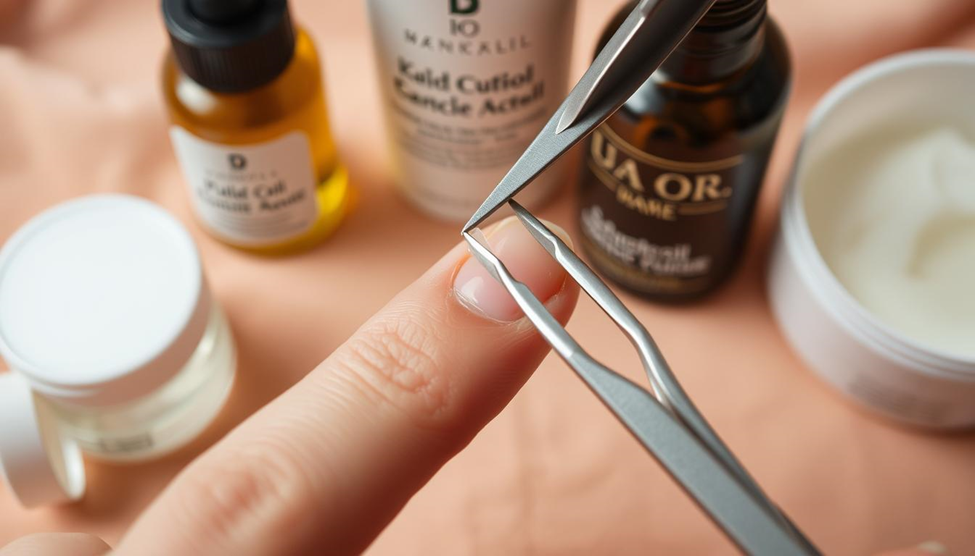
What Causes Hangnails? Painful Skin Woes Explained
"
Dry skin is a big reason for hangnails. When the skin around the nails gets too dry, it can tear and crack. This leads to hangnails. Cold weather, harsh chemicals, and washing hands a lot can dry out the skin.
Nail-biting or picking at cuticles is another cause. Doing this can make hangnails worse. It's hard to stop, but it's important to avoid it to prevent infections and more damage.
Working jobs that make you wash hands a lot, or being around harsh chemicals, can also cause hangnails. To prevent and manage them, take care of your nails and cuticles, keep the skin moisturized, and avoid irritating behaviors.
Key Takeaways
- Hangnails are a common skin condition caused by dry skin, nail-biting, and cuticle picking.
- Exposure to harsh chemicals, frequent hand washing, and cold, dry weather can also contribute to the development of hangnails.
- Maintaining good nail hygiene and keeping the skin well-moisturized are essential for preventing and managing hangnails.
- Avoiding behaviors that can further irritate the skin around the nails, such as nail-biting and cuticle picking, can help reduce the risk of hangnails.
- Seeking medical attention may be necessary if a hangnail becomes infected or fails to improve with home remedies.
Overview of Hangnails
Understanding the Definition and Nature of Hangnails
A hangnail is a small piece of torn skin near the nail, specifically the cuticle. It's more common on fingernails than toenails. Hangnails are not the same as ingrown nails, which grow into the flesh, usually on toes.
Many things can cause hangnails, like dry air and washing hands a lot. Using alcohol-based hand sanitizers and swimming in chlorinated pools can also contribute. People who pick or bite their nails are more likely to get hangnails. Cutting the cuticles the wrong way can also cause them and lead to infections.
Hangnails might seem minor, but they can hurt a lot. If not treated, they can cause bigger problems. Signs include redness, swelling, and pus-filled blisters.
Hangnails are different from paronychia , a skin infection around the nail. Paronychia can change the nail's look and cause fever, pain, and red streaks. People with diabetes are more at risk for paronychia.
Most hangnails can be treated at home. But, if it doesn't heal in a week or shows signs of infection, see a doctor. This can prevent worse problems.
Primary Causes of Hangnails
Hangnails are painful and annoying skin flaps around the nails. They can be caused by several factors. Dry skin is a big reason why hangnails happen. Also, doing rough tasks like gardening can damage the fingers and nails, making hangnails more likely.
Picking or biting around the cuticle area is another common cause. This habit not only causes hangnails but also raises the risk of infection. Using cuticle oil regularly, especially in dry winter months, can help avoid these problems.
Good nail care is key to preventing hangnails. This includes moisturizing your hands after washing. Hangnails can affect anyone, but they're more common in those who pick at their cuticles or bite their nails. It's important to know the difference between hangnails and ingrown nails.
Other factors like dry skin, minor cuts, or skin trauma near the nails can also lead to hangnails. Keeping your hands moisturized is crucial to avoid these painful skin flaps. Jobs like swimming, bartending, and floristry can increase the risk of chronic skin infections around the nails, making hangnails more likely.
In summary, hangnails are mainly caused by dry skin, damage to fingers and nails, picking or biting around the cuticles, and frequent handwashing or exposure to irritants. Proper nail and skin care, along with avoiding habits that cause hangnails, can help prevent these issues.
what causes hangnails
Hangnails are a common skin problem that can be both unsightly and painful. They happen when the skin around the fingernails loses its balance of moisture and oil. This imbalance can cause the skin to tear and form hangnails.
Frequent handwashing is a big reason for hangnails. Washing hands often can dry out the skin and remove its natural oils. This makes the skin more likely to tear and form hangnails. Exposure to harsh chemicals in hand sanitizers and cleaners also plays a role.
The weather can also affect hangnails. Dry and cold weather takes away even more moisture from the skin. Not taking care of the nails and cuticles properly can also lead to hangnails. Cutting the nails too short or picking at the cuticles weakens the nail bed.
Some jobs and habits increase the risk of getting hangnails. Doctors, nurses, and food service workers often have to wash their hands a lot. This can dry out their skin and make it more prone to hangnails.
People who bite their nails or pick at their fingers are also more likely to get hangnails. These habits can damage the skin around the nails.
To prevent hangnails, it's important to keep the skin around the nails moisturized. Knowing what causes them helps take steps to prevent them. This way, you can keep your fingers healthy and free from hangnails.
""Hangnails are a common nuisance, but with the right care and attention, they can be managed effectively.""
Caring for a Hangnail
Dealing with a painful hangnail can be frustrating. But, with the right approach, you can find relief and prevent further skin damage. It's important to avoid ripping, tearing, or biting the hangnail. This can lead to infection and make the problem worse.
Proper Treatment and First Aid for Hangnails
The first step is to soak the affected finger in warm, soapy water. This softens the skin and makes the hangnail easier to manage. Once the skin is softened, you can gently trim the hangnail using sterilized nail clippers or scissors. Be careful not to cut too close to the healthy skin.
After trimming, apply a small amount of antibiotic cream to the area. This helps prevent infection. Then, keep the area moisturized with a gentle, fragrance-free lotion. Using the RICE method (rest, ice, compression, elevation) can also help reduce pain and swelling.
It's important to avoid using harsh chemicals like hydrogen peroxide. These can damage healthy skin cells and delay healing. Instead, use gentle, soothing treatments to help your hangnail heal quickly and safely.
""Proper nail care and a healthy diet are crucial for preventing hangnails.""
If the hangnail is very painful or doesn't improve in a few days, seek medical attention. A dermatologist can assess the situation and provide additional treatment options, if necessary.
Risks and Complications of Hangnails
Hangnails might seem like a small problem, but they can cause big issues if ignored. One major risk is getting a hangnail infection , also known as paronychia. This happens when bacteria or fungi get into the torn skin around the nail.
A paronychia infection shows as redness, swelling, and pain. It can also cause a pus-filled blister. If not treated quickly, it might turn into cellulitis, a serious skin infection that can spread.
Untreated hangnails can also lead to fungal infections or infections that spread to other parts of the body. These can be very dangerous and might need strong treatments like antibiotics or surgery.
People with health issues like diabetes are more at risk. So, it's important to treat any signs of infection right away to avoid worse problems.
""Infections around the nail can be caused by ingrown fingernails or toenails, with serious infections potentially resulting in a loss of sensation or mobility, putting the extremity at risk of amputation.""
Knowing the risks of hangnails helps us take steps to prevent and manage them. This keeps our hands and nails healthy.
Preventing Hangnails
Keeping your nails healthy means avoiding hangnails . Simple steps can help a lot. Let's look at some hangnail prevention strategies to keep your nails and cuticles in great shape.
One key tip is to stop picking or biting your nails. This habit can cause hangnails. Instead, trim your nails regularly with clean tools.
Good cuticle care is also key. Don't cut or push back your cuticles too hard. This can tear the skin and cause hangnails. Gently push back your cuticles after soaking your hands in warm water. Also, use a moisturizing cuticle cream or oil to keep the skin soft.
Protect your hands from harsh things too. Wear gloves when you're around chemicals, cold, or too much moisture. This keeps your skin's natural oils in and prevents dryness, which can lead to hangnails.
Eating well is also important. A diet full of vitamins and minerals helps your nails and cuticles grow strong. Make sure you get enough biotin, vitamin C, and protein.
By following these hangnail prevention strategies, you can avoid those annoying skin tags. Enjoy strong, healthy nails and cuticles.
|---------------------------------------|---------------------------------------------------------------------------------------------------------------------------------------------------------------------------------------------------| | Tip | Description | | Avoid Nail Biting | Picking or biting nails can lead to the formation of hangnails, so it's important to keep your nails trimmed regularly using clean, sterile scissors or clippers. | | Proper Cuticle Care | Gently push back cuticles after soaking hands in warm water, and regularly apply a moisturizing cuticle cream or oil to keep the skin around your nails soft and healthy. | | Protect Hands from Harsh Environments | Wear gloves when doing tasks that expose your hands to chemicals, cold weather, or excessive moisture to maintain the skin's natural oils and prevent dryness, which can contribute to hangnails. | | Maintain a Balanced Diet | Ensure you're getting enough biotin, vitamin C, and protein to nourish your nails from the inside out and support healthy nail and cuticle growth. |
When to Seek Medical Attention
Hangnails are common and can be treated at home. But, if they don't get better after a week or show signs of abscess or pus, see a doctor.
Look out for worsening redness, swelling, and pain . Also, watch for abscesses or pus. These might need a healthcare provider's help. Rarely, an untreated hangnail can turn into a systemic infection and needs a doctor's check.
Know the signs of infected hangnails . These include redness, irritation, fever, and chills. If your hangnail doesn't get better or seems to spread, get professional treatment . This can prevent serious complications.
People with diabetes or excessive bleeding should see a doctor for hangnail problems. They might face more risks.
|----------------------------------------------------------|-----------------------------------------------| | Symptom | Action | | Hangnail does not improve after 1 week of home treatment | Seek medical attention | | Presence of abscess or pus | Seek medical attention for drainage | | Worsening redness, swelling, and pain | Seek medical attention | | Redness, irritation, fever, and chills | Seek medical attention for possible infection | | Diabetes or excessive bleeding | Consult a doctor for any hangnail issues |
Knowing when to seek professional help is key. This ensures your hangnails are treated right and any issues are caught early.
Conclusion
Hangnails are a common and often painful skin condition. They can be caused by dry skin, frequent handwashing, and poor nail care. Most hangnails can be treated at home, but it's important not to rip or pull them to avoid infection.
Proper treatment includes soaking the area, gently trimming the hangnail, and keeping the skin moisturized. This helps prevent further irritation and complications.
Keeping nails and cuticles healthy is key. Wear gloves when needed and seek medical help for severe hangnails. Understanding the causes and taking steps to prevent them can help manage this common issue.
Proper nail and cuticle care is crucial. Moisturize the skin, apply cuticle oil regularly, and use clean, sharp tools. Avoid picking cuticles or biting nails, and protect your skin from chemicals and dehydration to prevent hangnails.
FAQ
What are hangnails?
Hangnails are small pieces of torn skin near the nail. They usually happen at the cuticle, which is the clear skin at the nail's base.
What causes hangnails?
Dry air, frequent handwashing, and using alcohol-based hand sanitizers can cause hangnails. Picking at or biting around the nails also contributes. Swimming in chlorinated pools is another factor.
How can I treat a hangnail?
Soak the affected finger in warm, soapy water to soften the skin. Then, gently trim the hangnail with sterilized tools. Apply a small amount of antibiotic cream and keep the area moisturized.
Can a hangnail become infected?
Yes, a hangnail can get infected if it comes into contact with bacteria or fungus. This leads to paronychia. Signs include redness, swelling, and a pus-filled blister.
How can I prevent hangnails?
Avoid picking at cuticles and biting nails to prevent hangnails. Moisturize hands and cuticles regularly. Wear gloves in harsh environments and eat a balanced diet.
When should I seek medical attention for a hangnail?
See a doctor if the hangnail doesn't get better after a week or if it has an abscess or pus. Look for worsening redness, swelling, and pain, or an abscess that needs draining.
Source Links
- How to Spot and Care for an Infected Hangnail - https://www.verywellhealth.com/infected-hangnail-5215933
- How to Get Rid of Hangnails - https://www.healthline.com/health/how-to-get-rid-of-hangnails
- How to Get Rid of Hangnails - https://health.clevelandclinic.org/how-to-get-rid-of-a-hangnail
- Have a Hangnail? Don't Rip It, Do This Instead - https://www.health.com/hangnail-8558416
- Here's Why You Keep Getting Hangnails---and What to Do About It - https://www.realsimple.com/hangnails-8638677
- How To Get Rid Of Hangnails (and 5 Tips To Prevent Them) - GoodRx - https://www.goodrx.com/health-topic/dermatology/get-rid-of-hangnail
- Your hand sanitiser might be giving you more hangnails - https://www.womenshealthmag.com/uk/beauty/skin/a43139543/what-causes-hangnails/
- Hangnails: Causes, Treatment, Risks, & When to See a Doctor - https://www.healthline.com/health/hangnail
- How to Get Rid of and Manage Hangnails | Banner Health - https://www.bannerhealth.com/healthcareblog/better-me/how-to-treat-a-hangnail-and-how-to-prevent-them-altogether
- What Are You Lacking if You Have Hangnails? Vitamin Deficiency - https://www.medicinenet.com/what_are_you_lacking_if_you_have_hangnails/article.htm
- You Should Never (Ever) Rip Off a Hangnail - https://www.menshealth.com/health/a19547021/hangnail-treatment/
- Infected hangnail: Treatment, complications, and when to see a doctor - https://www.medicalnewstoday.com/articles/320933
- Paronychia: MedlinePlus Medical Encyclopedia - https://medlineplus.gov/ency/article/001444.htm
- How to Treat a Hangnail - https://www.webmd.com/beauty/how-to-treat-a-hangnail
- How to Get Rid Of and Prevent Hangnails - VitalSkin Dermatology - https://www.vitalskinderm.com/blog/how-to-get-rid-of-and-prevent-hangnails/
- How to Heal Hangnails---and Prevent Them in the First Place - https://www.gq.com/story/how-to-heal-hangnails
- How to Prevent Hangnails, According to Experts - https://www.byrdie.com/how-to-stop-hangnails-4795822
- Infected Hangnail: Causes, Treatment, and More - https://www.healthline.com/health/infected-hangnail
- 9 Ways To Prevent a Hangnail Infection - https://www.health.com/hangnail-infection-8710501
- Hangnails: Causes, Treatment, Risks, and More - https://ldsnails.com/blogs/nail-art/hangnails?srsltid=AfmBOorq-Rfvse8c4w73WI0esJKDL_QdwJP85pxODgO_-8i9OP5mRpcp
- Hangnails - NailKnowledge - https://nailknowledge.org/nail-knowledge-base/hangnails
- Common nail changes and disorders in older people: Diagnosis and management - https://www.ncbi.nlm.nih.gov/pmc/articles/PMC3038811/
"