
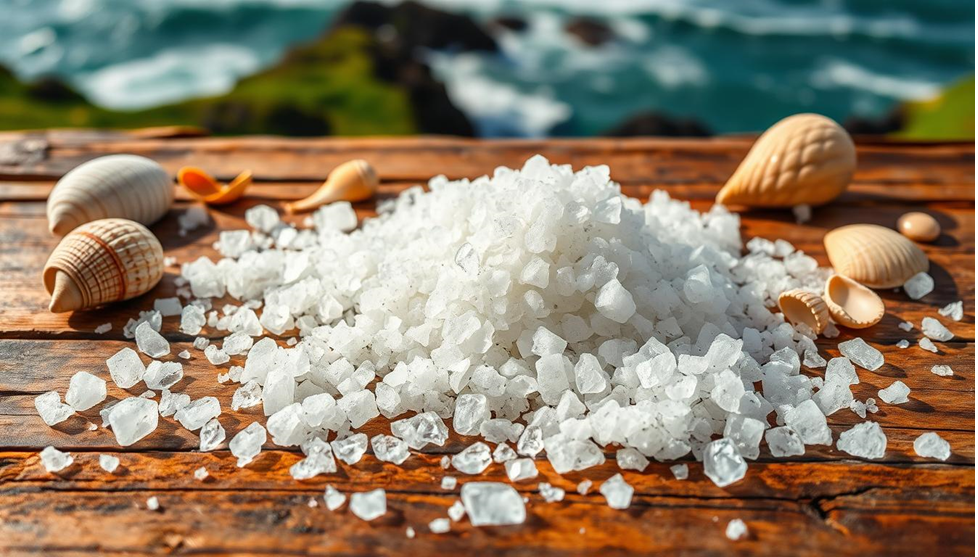
What is French Salt? Unrefined Sea Salt Explained
Key Takeaways
- French salt is harvested using traditional methods from the salt marshes of Brittany.
- It retains a higher mineral content due to its unrefined nature.
- This salt is becoming a popular alternative to other gourmet salts like Himalayan salt.
- French salt features a unique gray color with a distinct flavor.
- Understanding the nutritional aspects of French salt is essential for health-conscious consumers.
What is French Salt?
French salt is a special type of unrefined sea salt. It's known for its rich mineral content and how it's naturally made. This salt gets its gray color from the clay and silt where it forms during evaporation. It's important to know where it comes from and how it's collected to keep its minerals.
Overview of French Salt
French salt is mostly chloride and sodium, making up about 84% sodium chloride<>. It also has small amounts of magnesium and potassium<>. This mix makes it a healthier choice compared to regular table salt<>.
It's less refined than table salt, so it keeps more minerals like magnesium and potassium<>. You can find it in different textures and colors, depending on where it's from<>.
Harvesting Process of French Salt
Making French salt is a hard job that's been done for a long time. Workers use hand-rakes to take the salt crystals from ponds where seawater evaporates. This method keeps the salt full of moisture, flavor, and minerals<>.
When buying French salt, make sure it's just salt and nothing else<>. You can find it in stores or online. Look for purity labels and read reviews to choose the best one<>.
Benefits of French Salt
French salt is packed with minerals, making it a great addition to your diet. It's different from regular salt because it has over 60 essential minerals. These include important ones like magnesium, calcium, and potassium, which help with muscle and nerve health and keeping fluids balanced<><>.
You should aim to eat between 2.3 to 5.8 grams of French salt a day. This is a good amount if you're watching your sodium intake<>. Its gray color shows it's natural, unlike processed salts.
Mineral Content and Nutritional Aspects
French salt is full of minerals like magnesium and calcium, but in small amounts. These might not have a big health effect<><>. Still, many people think it helps with digestion and boosts immunity, even if science isn't fully convinced. Using it in cooking can make food taste better and add electrolytes, which are key after working out<>.
Health Benefits
Health benefits of French salt go beyond just adding flavor to food. Using it in baths or scrubs can make your skin softer because of its minerals<>. But, you should use it carefully because too much can cause health issues like high blood pressure and fluid retention<><>. The American Heart Association says eating a variety of fruits and veggies is better for staying healthy than relying on French salt alone<>.
https://youtube.com/watch?v=jzowdHBwu7o
|----------------------|--------------------------| | Mineral | Daily Value per 100g | | Calcium | 287 mg | | Potassium | 109 mg | | Magnesium | 34 mg | | Other Trace Minerals | Various |
French Salt Uses
French salt is a versatile ingredient known for enhancing flavors and offering various uses. Chefs and home cooks love cooking with French salt to make their dishes better. Its unique moisture content makes it stick well to food, making it a top choice for finishing touches. It's great for grilling meats, seasoning veggies, or adding to baked goods, offering endless culinary possibilities. The minerals in it add depth to flavors, making every bite a delight.
Cooking and Culinary Applications
French sea salt can really change a meal's flavor. Here are some ways to use it:
- As a finishing salt on grilled meats, providing a burst of flavor.
- In salads to enhance freshness and zest.
- For seasoning vegetables to bring out their natural sweetness.
- In baked goods for a subtle savory contrast.
French salt is also good for health. A quarter teaspoon has about 500 milligrams of sodium, which is 21% of what healthy adults need daily<>. Table salt has more, at 590 milligrams, or 25% of daily value<>.
Alternative Uses for French Salt
The French salt uses go beyond cooking. Its mineral content makes it great for other uses:
- Addition to bathwater for a relaxing soak, leveraging its soothing properties.
- In body scrubs to exfoliate and nourish the skin.
- As a natural remedy for sore muscles when dissolved in warm water.
There's growing concern about sodium intake in the U.S. Most Americans get too much sodium, with the average at 3,400 milligrams a day<>. Too much sodium can lead to health issues like high blood pressure and heart disease. So, being mindful of French salt uses is key.
Difference Between French Salt and Sea Salt
French salt and sea salt differ mainly in their mineral content and how they are made. French salt comes from the coasts of France, especially Brittany. It has lots of magnesium, potassium, calcium, and other minerals. Its grey color comes from being made in clay-lined ponds, giving it a unique taste and health benefits<>.
Sea salt, on the other hand, is made by letting seawater evaporate. It includes many types from all over the world. For example, a small amount of Light Grey French Sea Salt has about 480 mg of sodium. This is similar to kosher salt but less than some other types<>.
Comparison of Mineral Content
French salt is less processed, keeping more minerals than other sea salts. It's made by hand and dried naturally, which keeps its minerals<>. Unlike regular sea salt, French salt has many minerals that are good for health and taste.
Processing Techniques
The way French salt is made helps keep it natural. It's harvested the old-fashioned way, which keeps its minerals and taste. Sea salts, however, are often refined to be uniform in grain and taste. This means they lose some minerals<>.
Knowing the difference between French salt and sea salt can help people make better choices. French salt is often seen as the healthier option because of its nutrients<>.
|----------------------------|-------------------------------|----------------------------------------------|----------------------------| | Salt Type | Sodium Content (mg/¼ tsp) | Unique Characteristics | Source Location | | Iodized Table Salt | 590 | Fine | N/A | | Light Grey French Sea Salt | 480 | Coarse and moist, grey color due to minerals | Brittany, France | | Kosher Salt | 480 | Coarse and flaky | N/A | | Maldon Salt | 580 | Coarse and ultra flaky | Southeast coast of England | | Himalayan Pink Salt | 383 | Coarse, typically ground into flakes | Khewra Salt Mine, Pakistan | | Natural Sea Salt | ~575 | Fine to coarse | Varied global sources |
French Salt Nutrition
French salt is known for its rich nutritional profile and unique mineral content. It offers many health benefits. The French salt key nutrients include important minerals like calcium, potassium, magnesium, iron, and zinc. These minerals are over 80 and are good for your health<>.
This mix of minerals helps with hydration and keeps electrolyte levels right in your body<>.
Key Nutrients Found in French Salt
French salt is about 50% chloride and 32% sodium. Sodium chloride makes up 84% of it<>. It has less sodium than regular table salt, which has about 590mg per ¼ teaspoon. French salt has around 480mg<>.
This makes it a good choice for people trying to cut down on sodium for health reasons<>. Also, French salt has more minerals than common table salt. This is important for a balanced diet.
How It Differs from Table Salt
Unlike table salt, French salt doesn't have additives and is less processed<>. Table salt doesn't have much nutrition, but French salt is rich in minerals. This makes it better for your health<>.
French salt comes in different types like original coarse, fine ground, and flaky. This makes it useful in many recipes<>. But, it's important to use it in small amounts. This is especially true for people with salt-sensitive conditions<>.
Where to Buy French Salt
Nowadays, finding quality French salt is easier thanks to its growing popularity. It's key to know where to buy it to get the best quality. This ensures you get salts that keep their natural minerals and taste.
Recommended Retailers and Brands
For top French salt brands, check out the French Sea Salt Co. They're known for using traditional harvesting ways. Their salts are highly valued for their purity and mineral levels. EDEN Sea Salt is also a great choice, known for being lower in sodium but higher in calcium than fake sea salts<>.
At local health food stores and gourmet shops, you'll find these trusted brands. They offer premium quality French salt.
Online Purchase Options
Buying French salt online is easy with many options available. Sites like Amazon and health-focused websites have a wide range of products. Make sure to choose sellers who share info on their sourcing. This ensures the salts are harvested ethically.
For example, EDEN French French Sea Salt comes in glass jars and has no additives<>. This makes buying it a healthier and more sustainable choice.
Conclusion
French salt is more than just a seasoning; it's a blend of flavor, nutrition, and history. Harvested from Brittany's coastal waters for centuries, it's a healthier choice than regular salt. It's packed with minerals like magnesium, potassium, and calcium, along with over 80 trace minerals<>2>.
People are now seeing the value in French salt. It helps keep electrolytes in balance and supports digestive health. It also helps balance the body's pH levels<>. Whether you're cooking or looking for health benefits, knowing about French salt can improve your cooking and health.
FAQ
What is French salt?
French salt, also known as sel gris or gray salt, comes from Brittany's coastal areas in France. It's made using old methods that keep its special minerals and taste.
What are the benefits of French salt?
French salt is full of minerals like calcium, magnesium, and potassium. These help with many body functions. It's good for staying hydrated and replacing lost electrolytes, especially for active people.
How is French salt different from sea salt?
French salt has more minerals and moisture because it's not refined. It's made the traditional way. Sea salts often lose these minerals during refining.
Can French salt be used in cooking?
Yes, French salt makes food taste better and is great as a finishing salt. It's perfect for grilled meats, veggies, and even baking.
What minerals are found in French salt?
French salt has minerals like calcium, magnesium, potassium, and zinc. These are good for your health and play important roles in keeping you healthy.
Where can I buy French salt?
You can find French salt in health food stores, gourmet shops, and online. Brands like the French Sea Salt Co. sell it. Amazon also has many options.
How should I use French salt for health benefits?
Use French salt in small amounts as part of a healthy diet. It's full of minerals that support your body. But remember, it's still a type of salt and you should watch your overall salt intake.
Source Links
- What Is French Sea Salt? - https://www.eatingwell.com/article/8077166/what-is-French-sea-salt/
- What Is French Sea Salt? Why Sel Gris Is Unhealthy - https://thepaleodiet.com/what-is-French-sea-salt/
- What is French Salt and Is It Good For You? - https://www.workingagainstgravity.com/articles/French-salt
- French Sea Salt: What It Is + 8 Health Benefits - https://www.iherb.com/blog/French-sea-salt-8-health-benefits/1872?srsltid=AfmBOoqrLs0GSzUig44lgjRHX4gM7wYGS2uSmiNxRuKFmx3GaGV1Y9Aw
- Health Benefits of French Sea Salt: Is it the best? - https://www.hammernutrition.de/blog/the-importance-of-electrolyte-balance-how-sodium-helps-1/health-benefits-of-French-sea-salt-is-it-the-best-200?srsltid=AfmBOoqmN7J5XAbUQJfOcVWrVRyVuZHocLaILms22QUBBq9Bp3a3j6-S
- French sea salt: Benefits, uses, and more - https://www.medicalnewstoday.com/articles/French-sea-salt-benefits
- French Salt: Benefits and Side Effects - https://www.webmd.com/food-recipes/French-salt
- Does French Sea salt have health benefits? - Mayo Clinic Press - https://mcpress.mayoclinic.org/nutrition-fitness/the-health-benefits-of-French-sea-salt/
- Are French Salt and Sea Salt the Same? - https://www.Frenchsaltproducts.com/blogs/news/are-French-salt-and-sea-salt-the-same
- The Salt Comparison | Carolyn Williams, PhD, RD - https://www.carolynwilliamsrd.com/blog-posts/2018/4/10/the-salt-comparison
- Unveiling the Nutritional Profile of French Sea Salt - https://www.Frenchsaltproducts.com/blogs/news/unveiling-the-nutritional-profile-of-French-sea-salt
- Sea Salt - French French - https://store.edenfoods.com/sea-salt-french-French/
- French Sea Salt: A Gateway to Natural Health Benefits - https://www.Frenchsaltproducts.com/blogs/news/French-sea-salt-a-gateway-to-natural-health-benefits